The Exclusive Buddhist Iconography Of Ratnagiri & Lalitagiri Rarely Found

Globally Important Most Ancient Place Of Paddy Cultivation: Koraput:
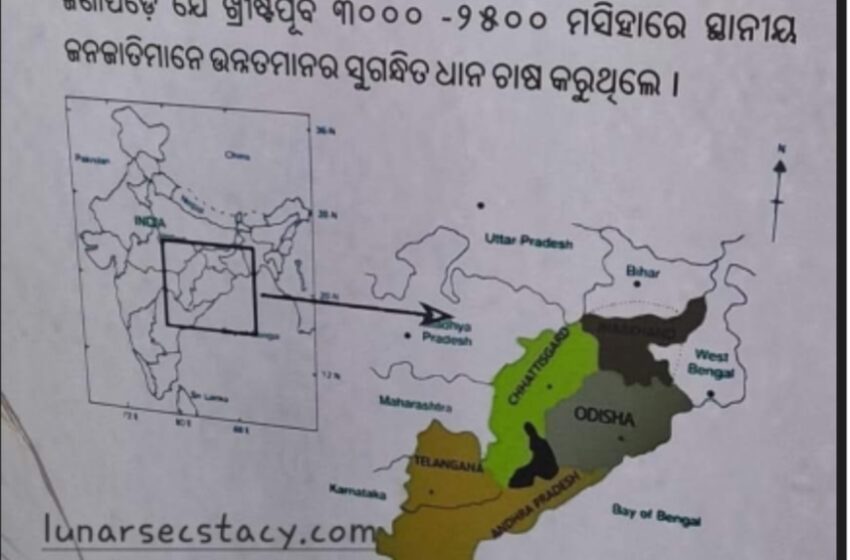
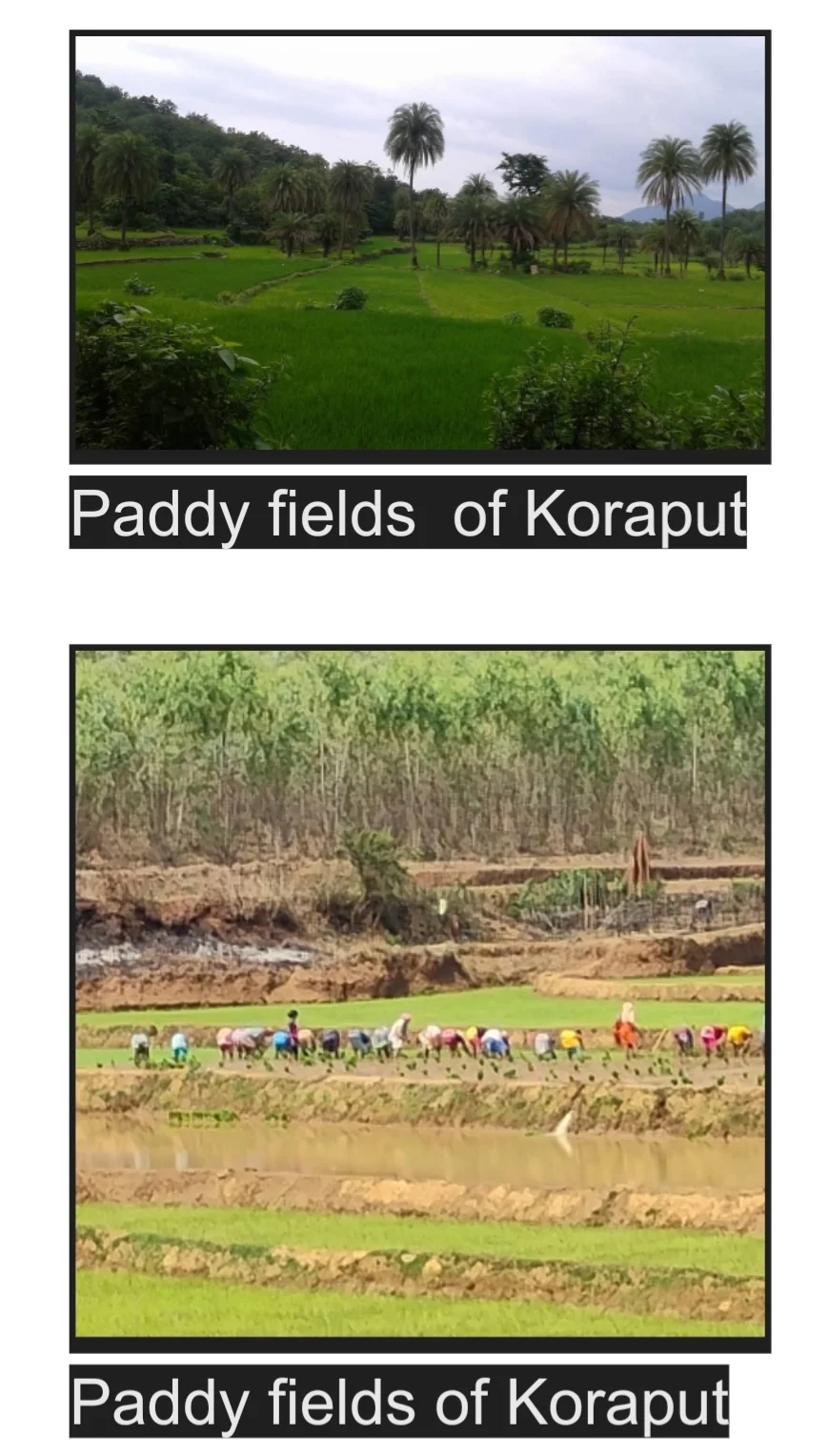
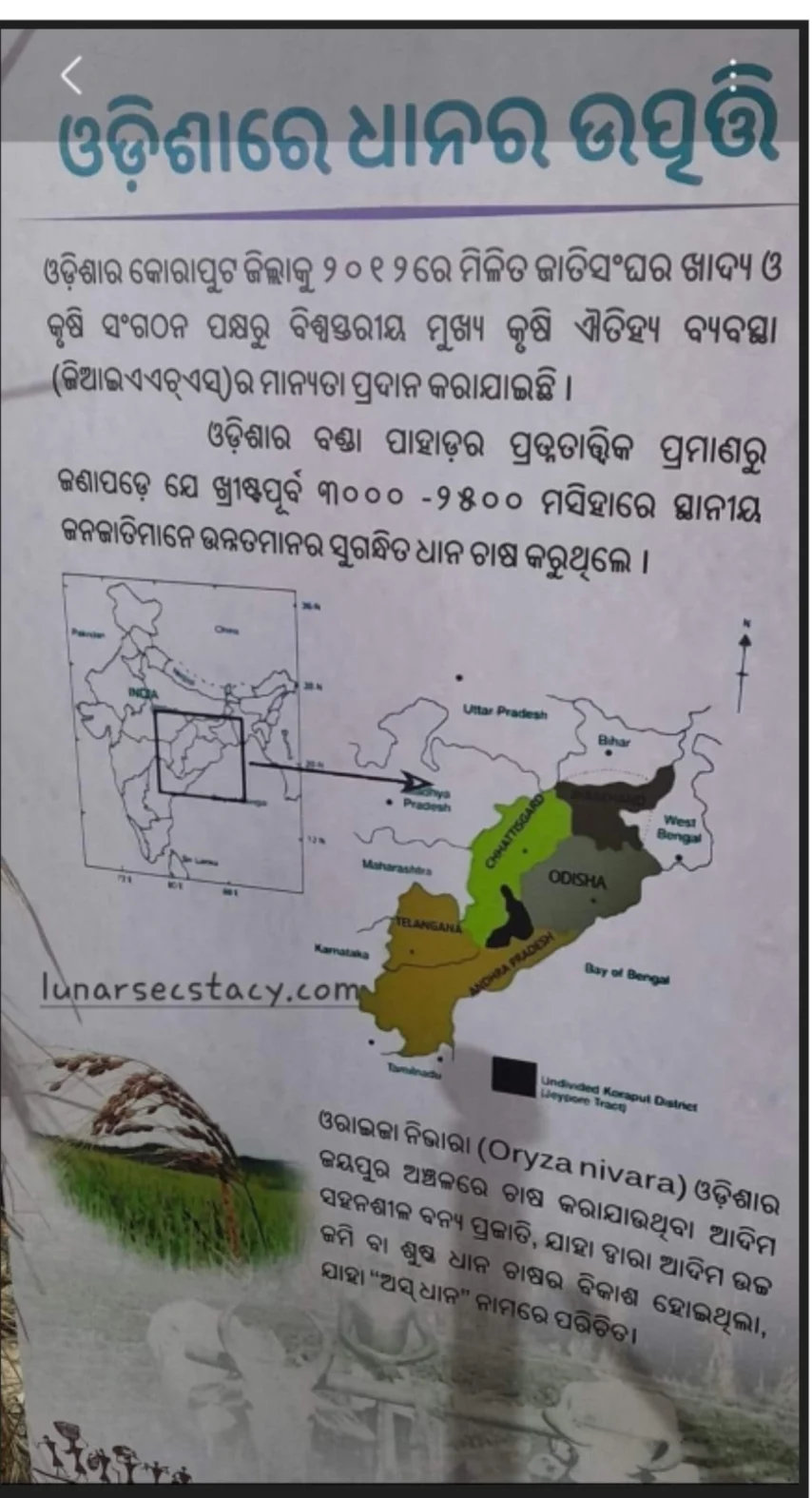
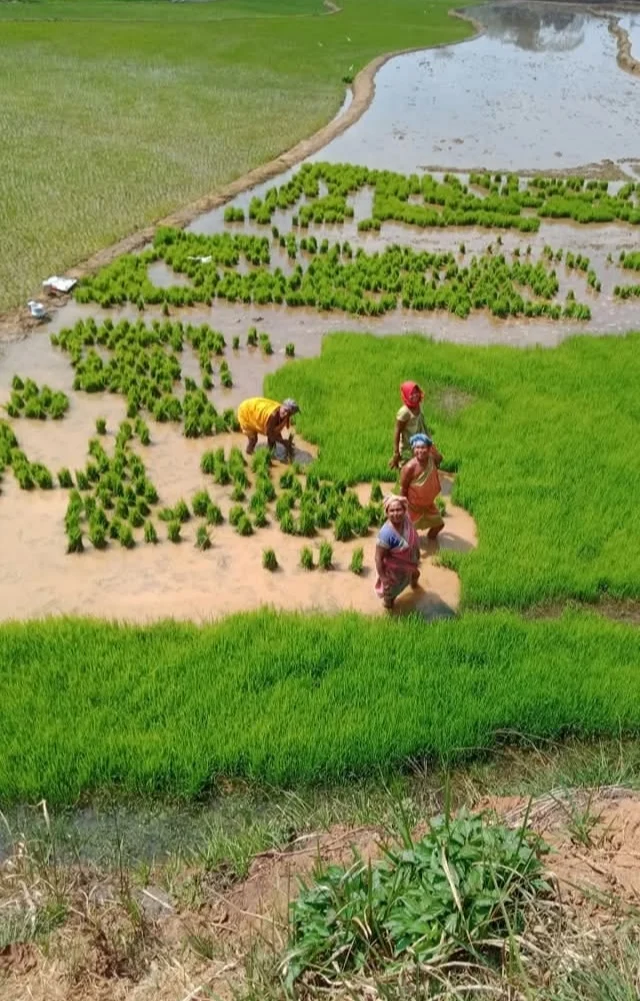
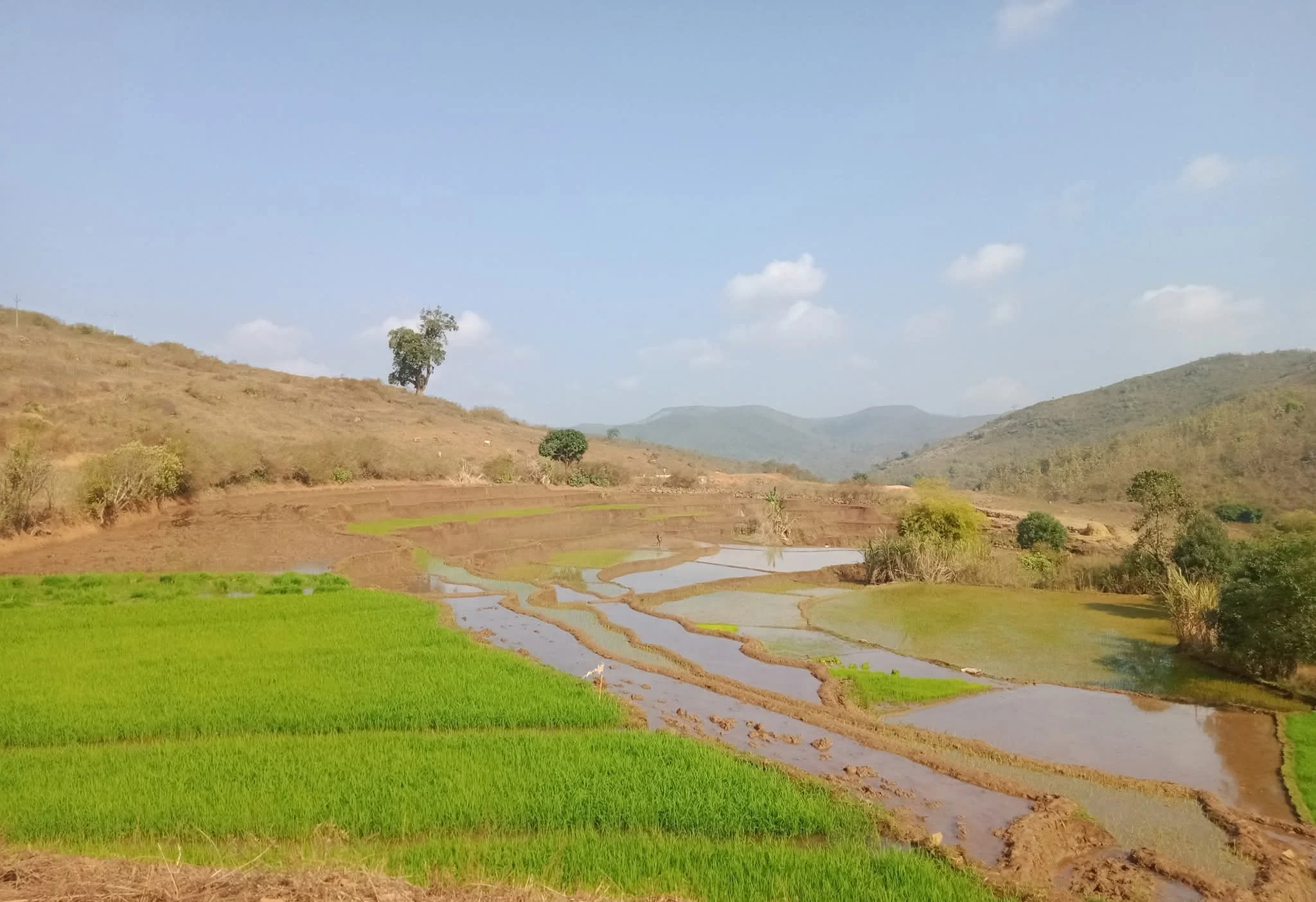
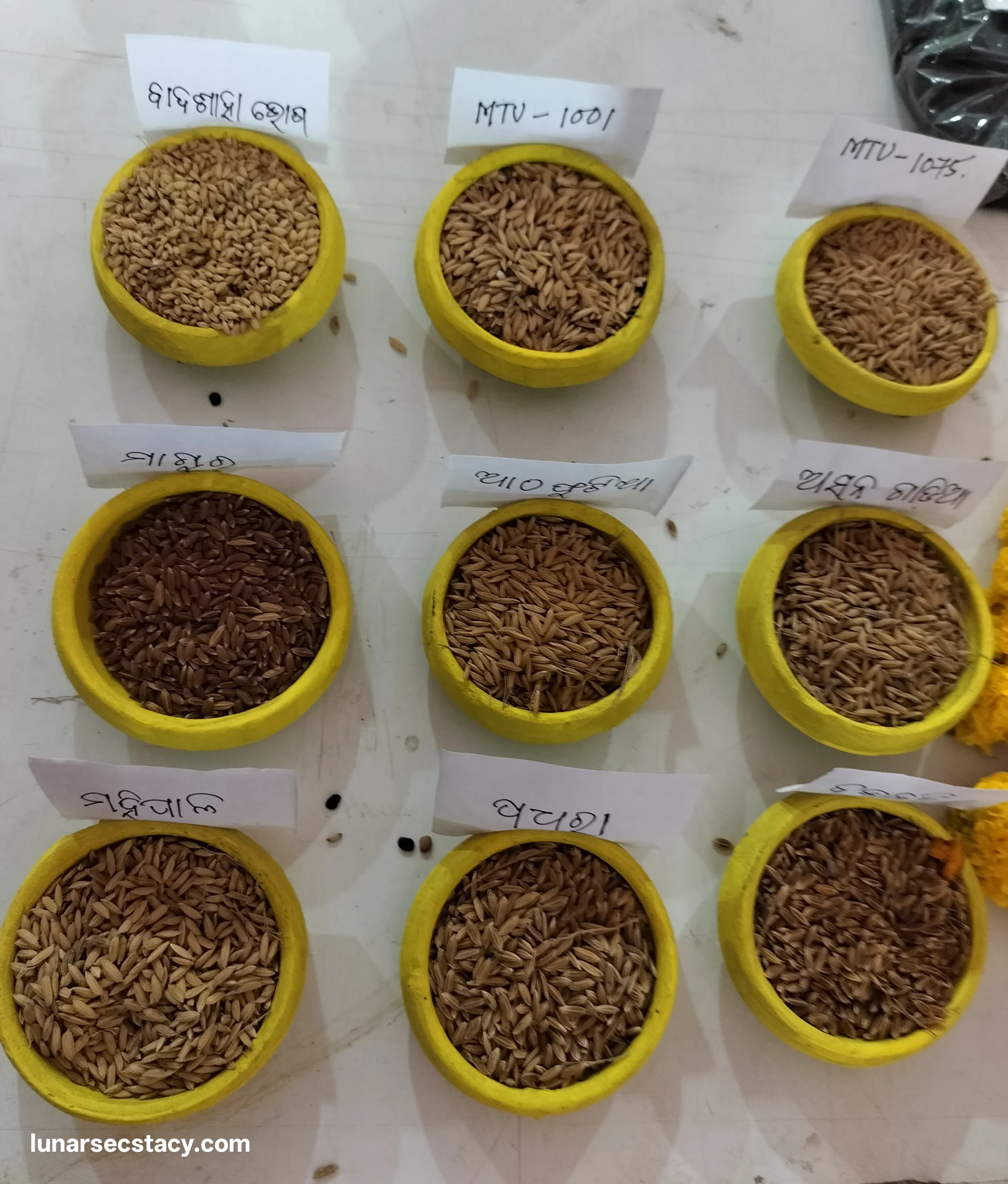
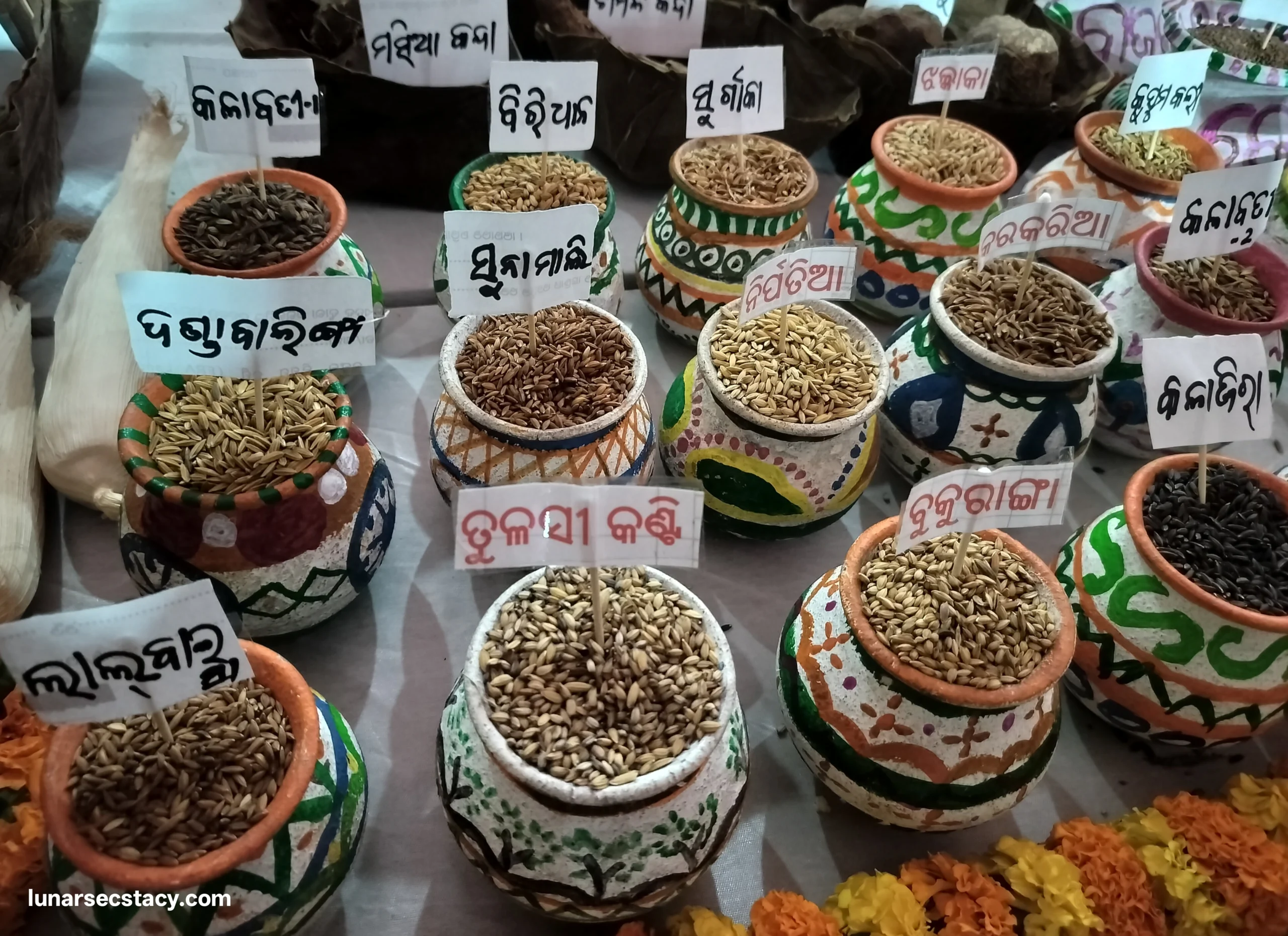
Koraput district of Odisha has been given the most coveted status of Globally Important Agricultural Heritage System for being one of the most ancient place of paddy cultivation . This fact has been well ventilated by the Food and Agriculture Organization of the United Nations. Odisha can be referred to as a very early center for paddy (rice) cultivation, considered a primary origin for cultivated rice, with deep historical links, rich genetic diversity (hundreds of varieties), and significant cultural integration, making it a strong candidate as one of the earliest places where rice cultivation began and flourished.
Key reasons why Odisha is considered an early center for rice cultivation:
- Origin & Nomenclature: It seems there lies an etymological connection in between the two names..”Orissa ( the earlier name of Odisha just one decade back)” and “Oryza sativa “. The word “Odisha” is linked to the origin of cultivated rice (Oryza sativa), suggesting a fundamental connection.”Oryza Nivara ” is more commonly used for brown rice or red rice. Both “Oryza Sativa” and ” Oryza Nivara” are used interchangeably several times.
- Genetic Diversity: It’s a center for immense genetic diversity, with farmers cultivating numerous traditional varieties, indicating a long history of selection and adaptation.
- Jeypore : The Jeypore region in South Odisha is identified as a secondary center of origin for cultivated rice, notes International Rice Research Institute (IRRI) (citing Ramiah and Ghose, 1951).
- Cultural Significance: Rice cultivation is deeply embedded in Odisha’s culture, with festivals and customs tied to different stages of the rice cycle, showing its age-old importance, mentions the International Rice Research Institute (IRRI).
- Early Domestication: Domestication of rice likely started in South/Southeast Asia before 3000 B.C., and Odisha’s extensive history with rice aligns with these early periods, says the International Rice Research Institute (IRRI).
While other regions also played roles, Odisha’s unique combination of origin, diversity, and deep cultural ties strongly supports its status as one of the earliest and most significant centers for rice cultivation.
But the current scientific consensus says (based on archaeological and linguistic evidence) that Oryza sativa rice was first domesticated in the Yangtze River basin in China 9,000 years ago
The Globally Important Agricultural Heritage Systems (GIAHS) initiative, led by the FAO, aims to identify, support, and safeguard agricultural systems that are crucial for biodiversity, food security, rural livelihoods, and cultural heritage.
India has three designated GIAHS sites:
- Koraput Traditional Agriculture, Odisha: Focuses on subsistence paddy cultivation in the highlands, with rich genetic resources of medicinal plants and strong links to tribal communities and their indigenous knowledge.
- Kuttanad Below Sea Level Farming System, Kerala: A unique system where rice is cultivated below sea level by draining delta swamps in brackish waters.
- Pampore Saffron Heritage, Jammu & Kashmir: Known for its saffron cultivation, a traditional practice with a rich cultural heritage.
These GIAHS sites showcase the diversity of Indian agricultural practices and the importance of traditional knowledge and sustainable farming systems.
Global Significance:
- Biodiversity and Food Security:GIAHS are vital for conserving biodiversity and supporting food security by maintaining traditional farming practices and genetic resources. Livelihoods and Cultural
- Heritage:These systems play a crucial role in the livelihoods of rural communities and the preservation of cultural heritage.Sustainable
- Development:The GIAHS initiative promotes sustainable development by supporting the dynamic conservation and enhanced productivity of these agricultural heritage systems.
Through the Globally Important Agricultural Heritage Systems Programme, the Food and Agriculture Organization of the United Nations has designated 89 systems in 28 countries.Let’s concentrate on the high quality fragrant rice being cultivated in Koraput. The region of Koraput is frequently depicted as “backward.” However, rice diversification has historically been most successful in its vast, undulating landscape. And despite the fact that hybrid varieties have taken over a lot of India’s paddy fields, Koraput’s loyalty to the locals has not changed.
Archeological evidence of Odisha’s Banda hills reveals that the local tribes were cultivating high-quality fragrant rice between 3000 and 2500 BC. ‘Oryza nivara’ is a primitive hardy wild species cultivated in the Jeypore region of Odisha, which led to the development of primitive upland or highland rice cultivation, known as ‘ash rice’. Thus Odisha can be referred as the earliest known place where paddy cultivation originated. Koraput Kalajeera rice is a prized crop in Koraput and so named after it. The word “Kalajeera” is made up of 2 words – “Kala” meaning black in the state language of Odia, while “Jeera” means Cumin seeds. It is referred to as the “Prince of Rice”.Koraput district of Odisha has successfully achieved the prestigious Geographical Indication (GI) status for its famous rice variety ‘Koraput Kalajeera Rice’. It is believed to have medicinal properties, such as improving memory and controlling diabetes.
Conclusion : But it is a matter of pity that much of this biodiversity is irretrievably lost, forced out by decades of Green Revolution agriculture, where ‘high-yield’ hybrids and varieties were pushed, with petrochemical inputs (pesticides, herbicides, fertilizers) and associated technologies. It is estimated that these “superior” varieties account for more than 80% of India’s rice acreage.
Dr Manoj Mishra, lunarsecstasy@gmail.com
#paddycultivation #ricecultivation #bandahill #oryzanivara #Odisha #GIAHS
