The Exclusive Buddhist Iconography Of Ratnagiri & Lalitagiri Rarely Found

Paddy Craft : Most Innovative Folk Art Form Of Odisha
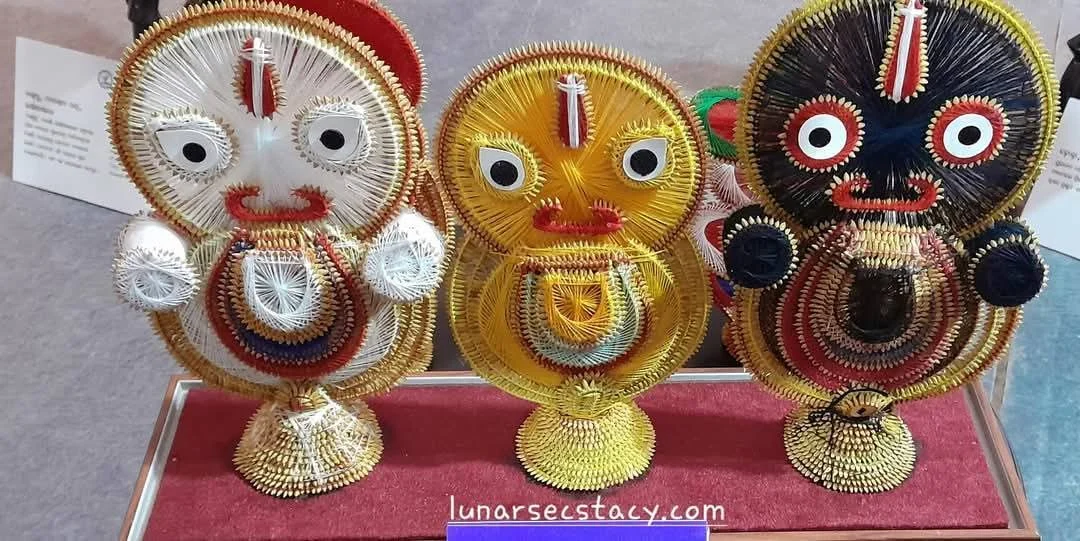
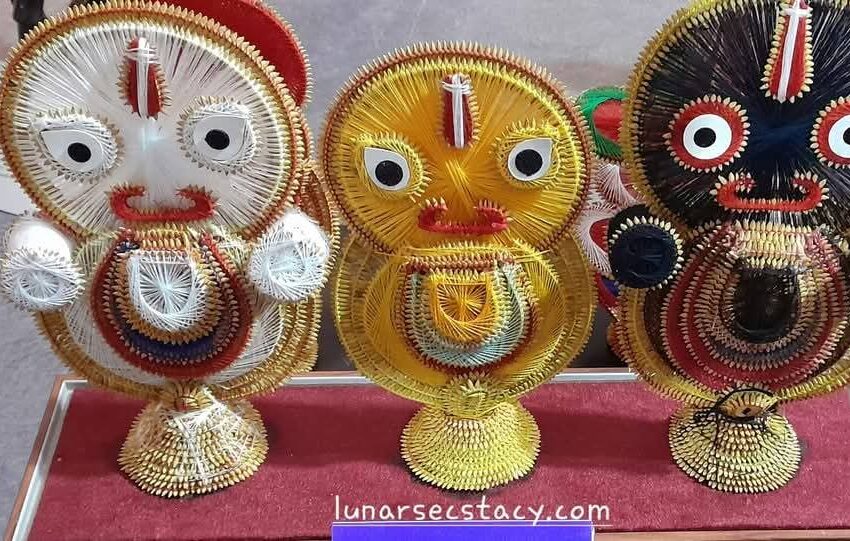
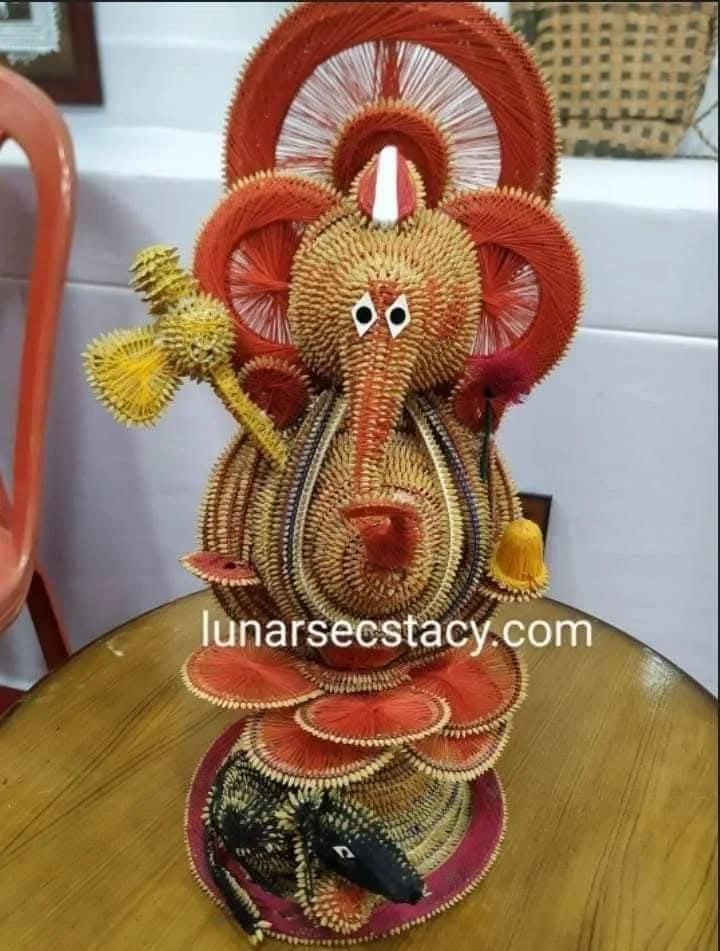
Paddy craft ( ଧାନ ମୂର୍ତ୍ତି) , from Odisha is a unique, intricate folk art using unhusked rice grains, bamboo and coloured threads to create detailed idols of different Gods and Goddesses (especially Goddess Lakshmi), animals (peacocks, elephants), and household decorative items . Each “Dhana Murti ( ଧାନ ମୂର୍ତ୍ତି)” is completely handcrafted and emanates quietness. ‘Dhana’ signifies unhusked rice grains and ‘Murti’ signifies icon or idol.
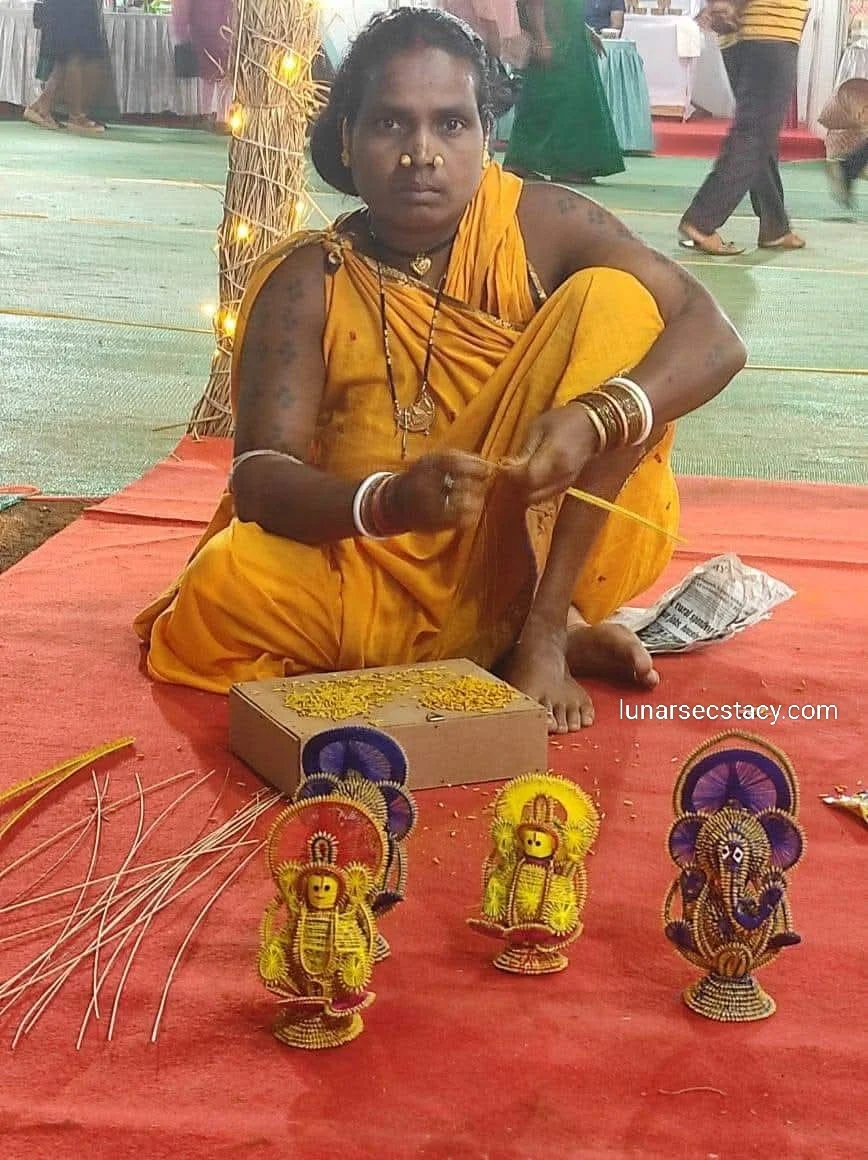
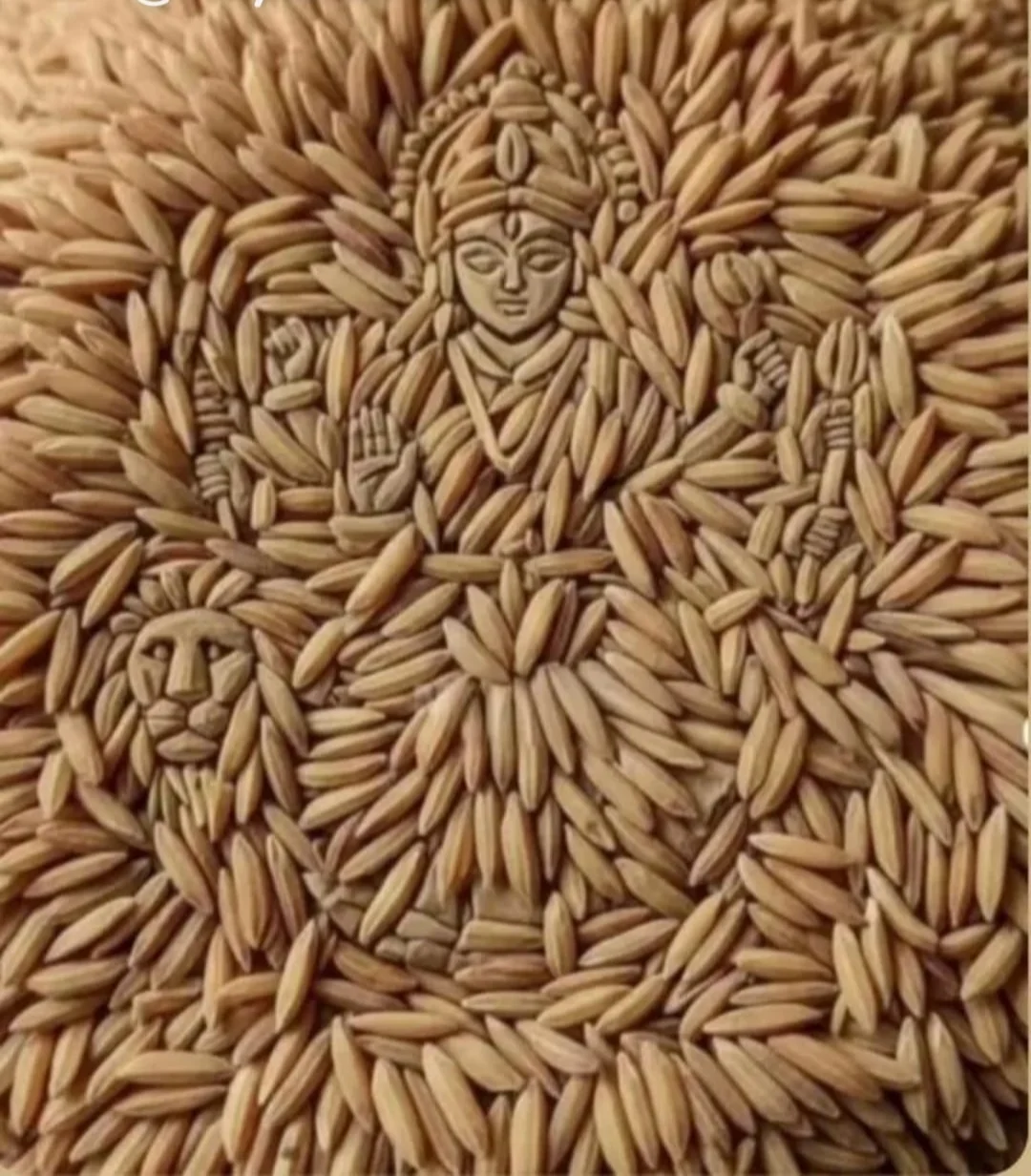
This craft symbolises prosperity and sustainability . This craft is practiced mainly by tribal communities like Gond, Bhottada and Munda clan during lean agricultural seasons for supplementary income, connecting land, divinity, and tradition. This craft also carries socio-cultural importance in those respective tribal areas.
Materials & Technique:
- Materials: Unhusked rice grains, thin bamboo strips (soaked and dried for flexibility, often with turmeric), colored cotton threads/wool.
- Process: Artisans loop individual rice grains between two bamboo sticks, securing them with thread to form chains. These chains are then coiled, folded, and shaped into figurines, held by complex thread patterns.
Products & Motifs:
- Deities: Goddess Lakshmi, Mahaprabhu Jagannath, Balabhadra and Subhadra, Ganesh, Saraswati etc.
- Animals: Elephants, peacocks, birds etc.
- Other: Chariots, tribal marriage crowns, decorative fans, baskets, diyas, wall hangings etc.
Cultural Significance:
- Symbolism: Represents prosperity, good harvest, and well-being, reflecting the deep agrarian roots of Odisha.
- Sustainability: A tradition of using harvest remnants, embodying a zero-waste philosophy.
- Ritual: Often associated with religious activities and rituals, particularly the making of Goddess Lakshmi idols for festivals.
Practitioners & Regions
- Tribes: Gond, Munda and Bhottada communities.
- Areas: Western Odisha, including districts like Balangir, Kalahandi, Koraput, and near Kesinga (Dumermunda).
Straw Arts : Another Related Art Form
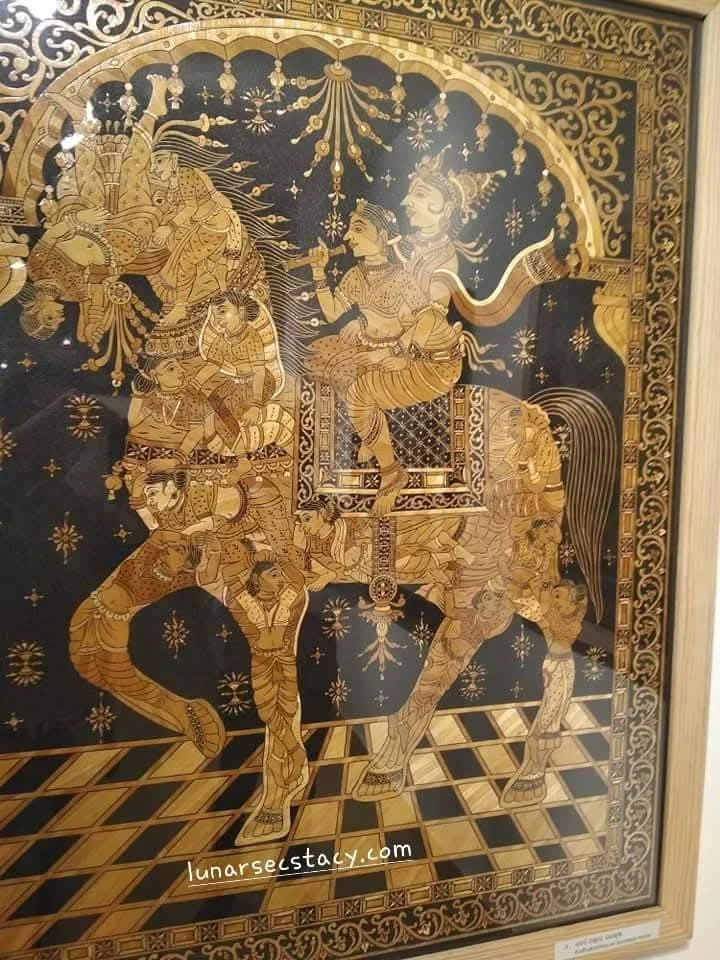
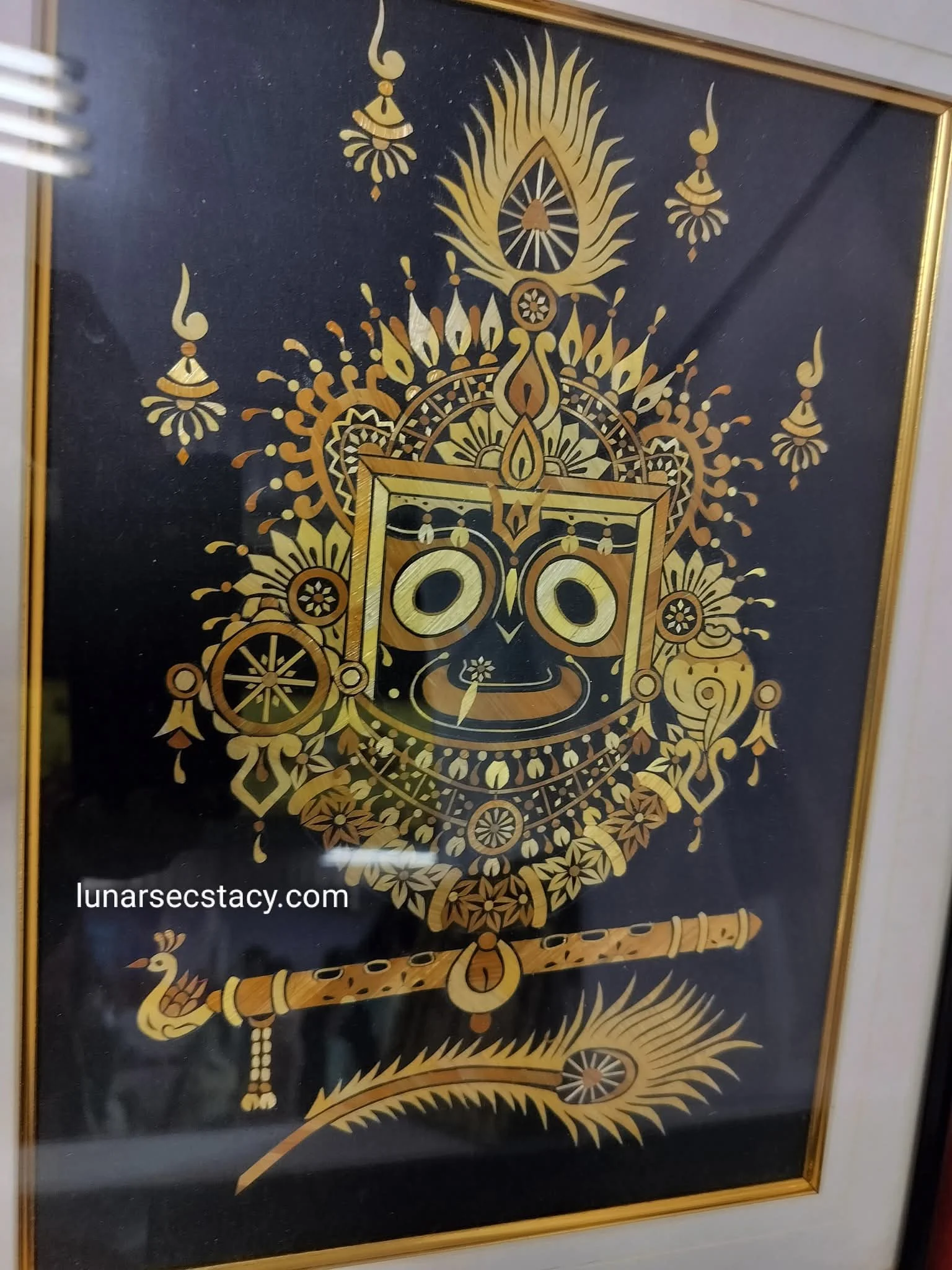
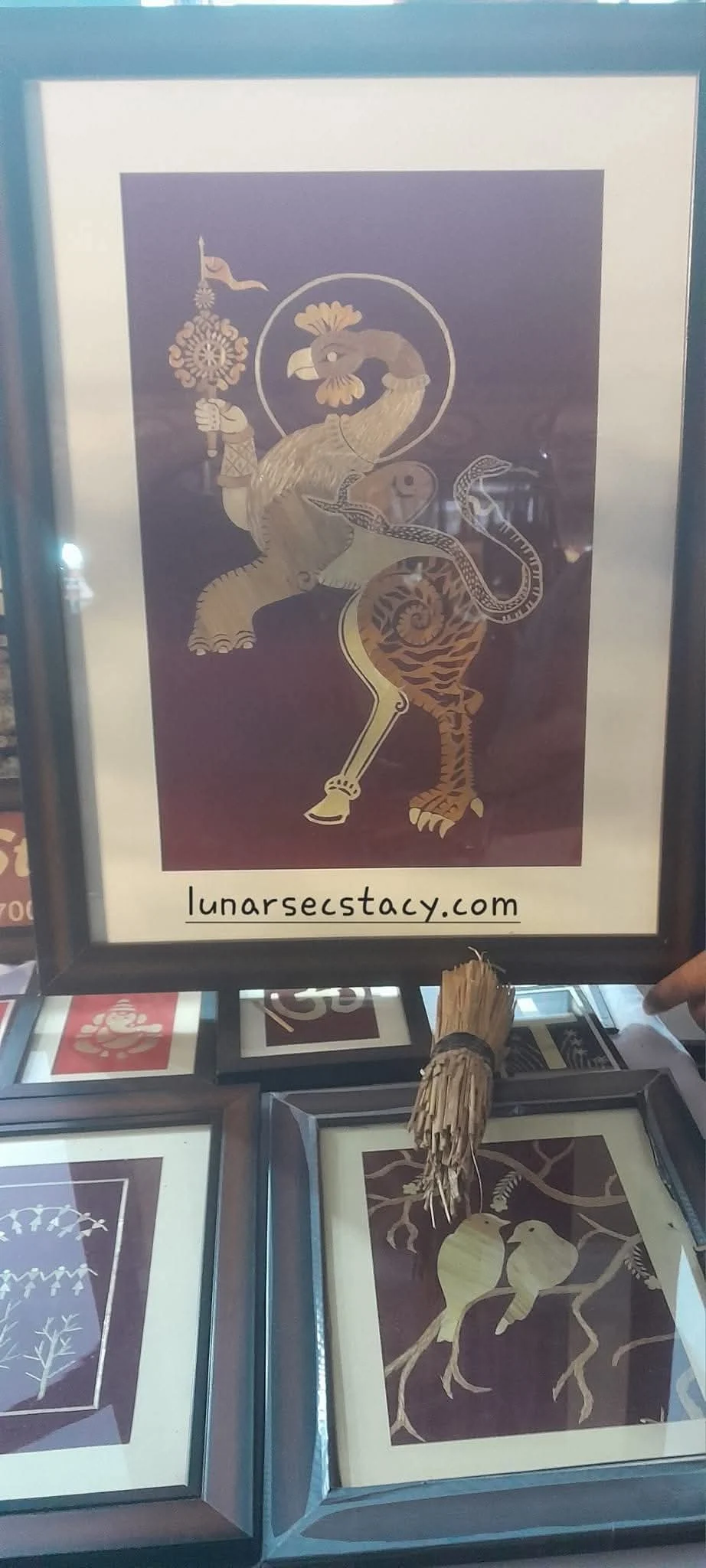
There lies another related art form which is produced using the paddy straws. Straw art…seems as if poetry is written on the surface of straws… This art is widely practiced in the place called Jirala near Dhenkanal.
The procedure followed for making straw art takes a long time because straws need to be carefully separated into three different categories, each of which gives the finished artwork a different colour. A seasoned artisan pulls out strands from each straw, called “sasa” in Odia. The colour of those strands varies based on the source as follows….
1) straws that have just been picked from the fields are off white.
2) straws that have been soaked in rain water and sun-dried turn golden yellow .
3) straws that have been gathered from thatched roofs and leftover fodder of cows produce a dark brown color.
The dark coloured straws are segregated from the off-white and golden coloured straws and those are then cut precisely in different shapes and pasted usually on smooth surfaces ( usually black or red velvet clothes) . The topic is usually taken from our folklore and mythology. Here are certain photos for better understanding.
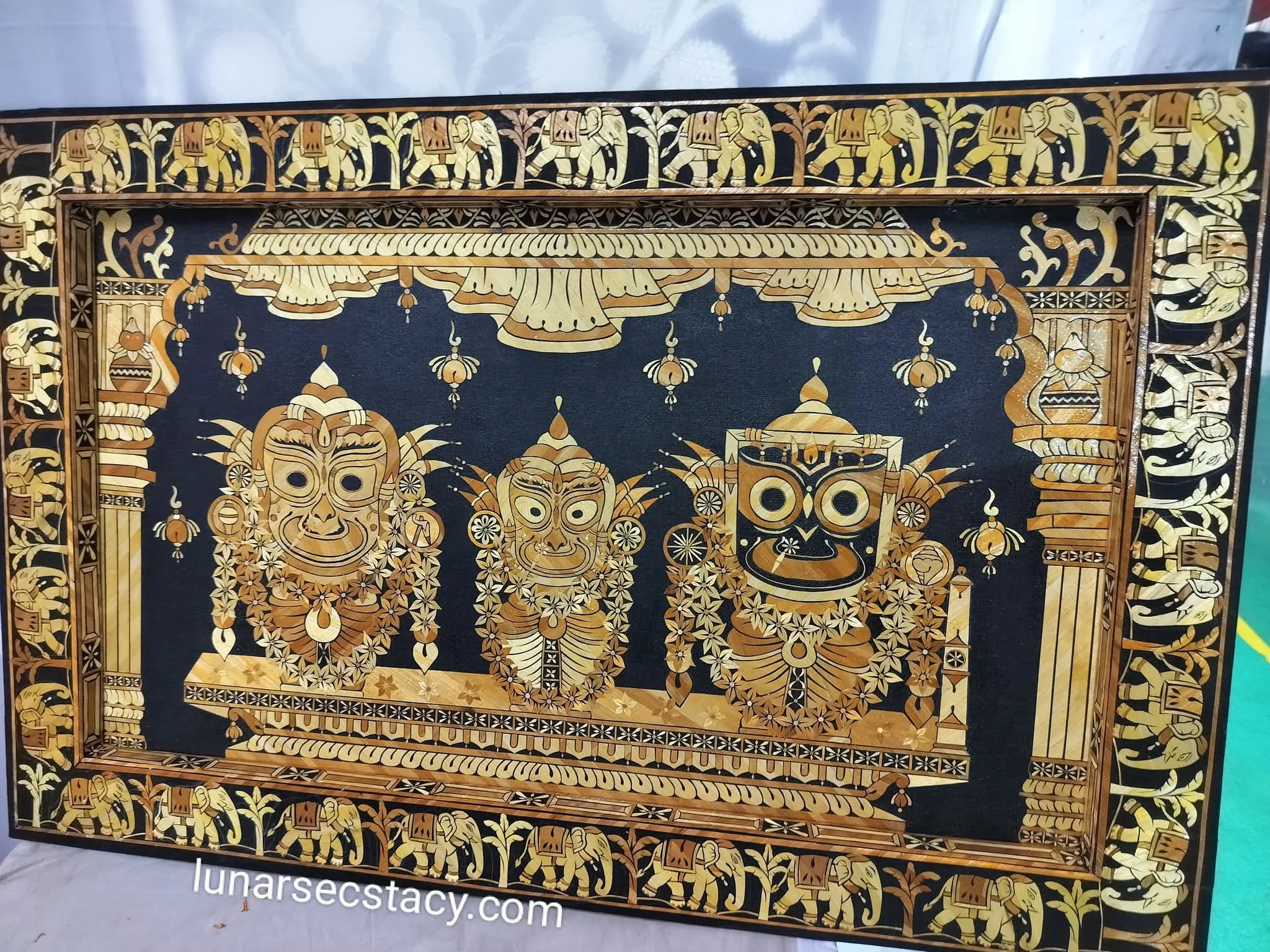
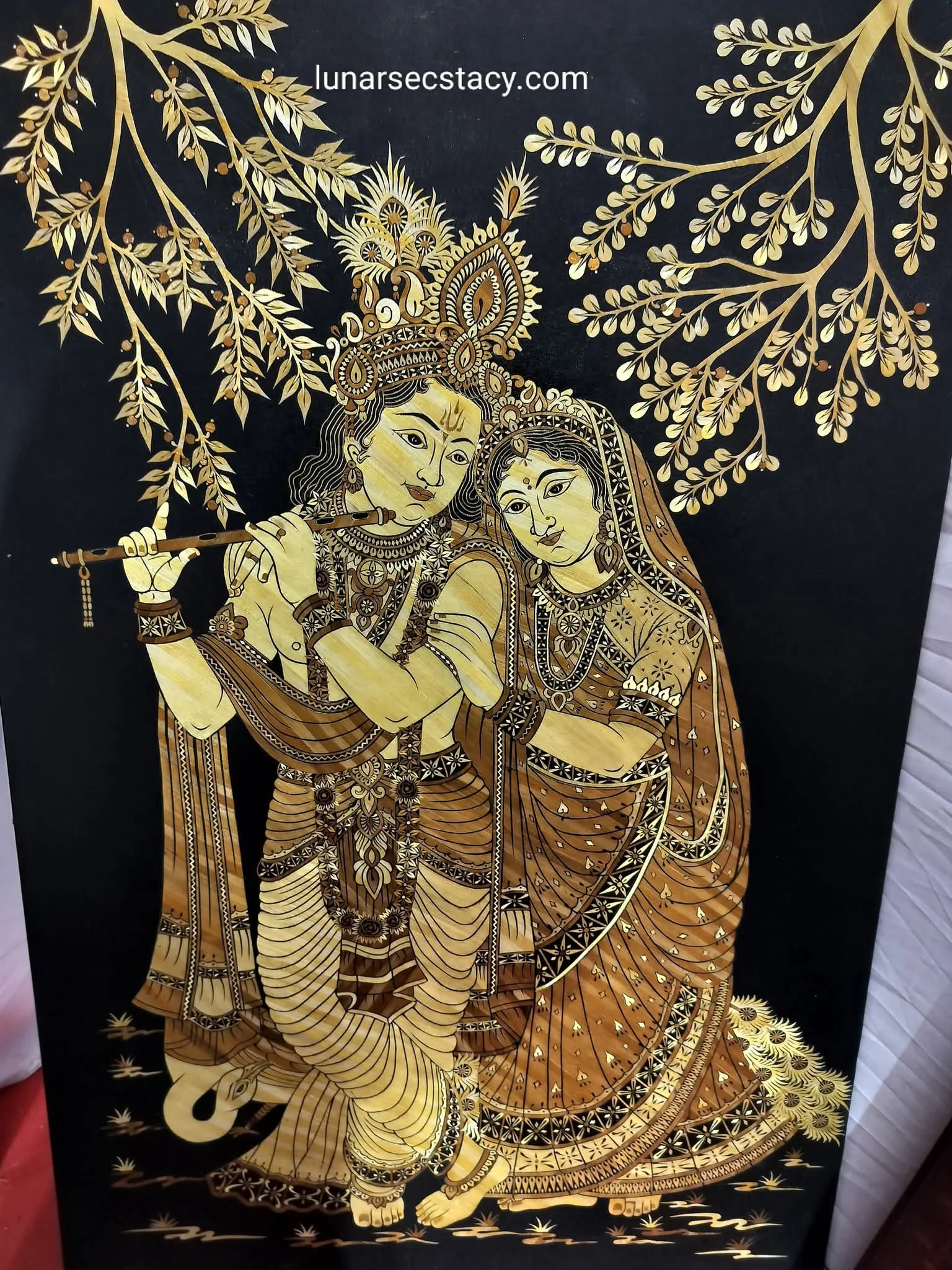
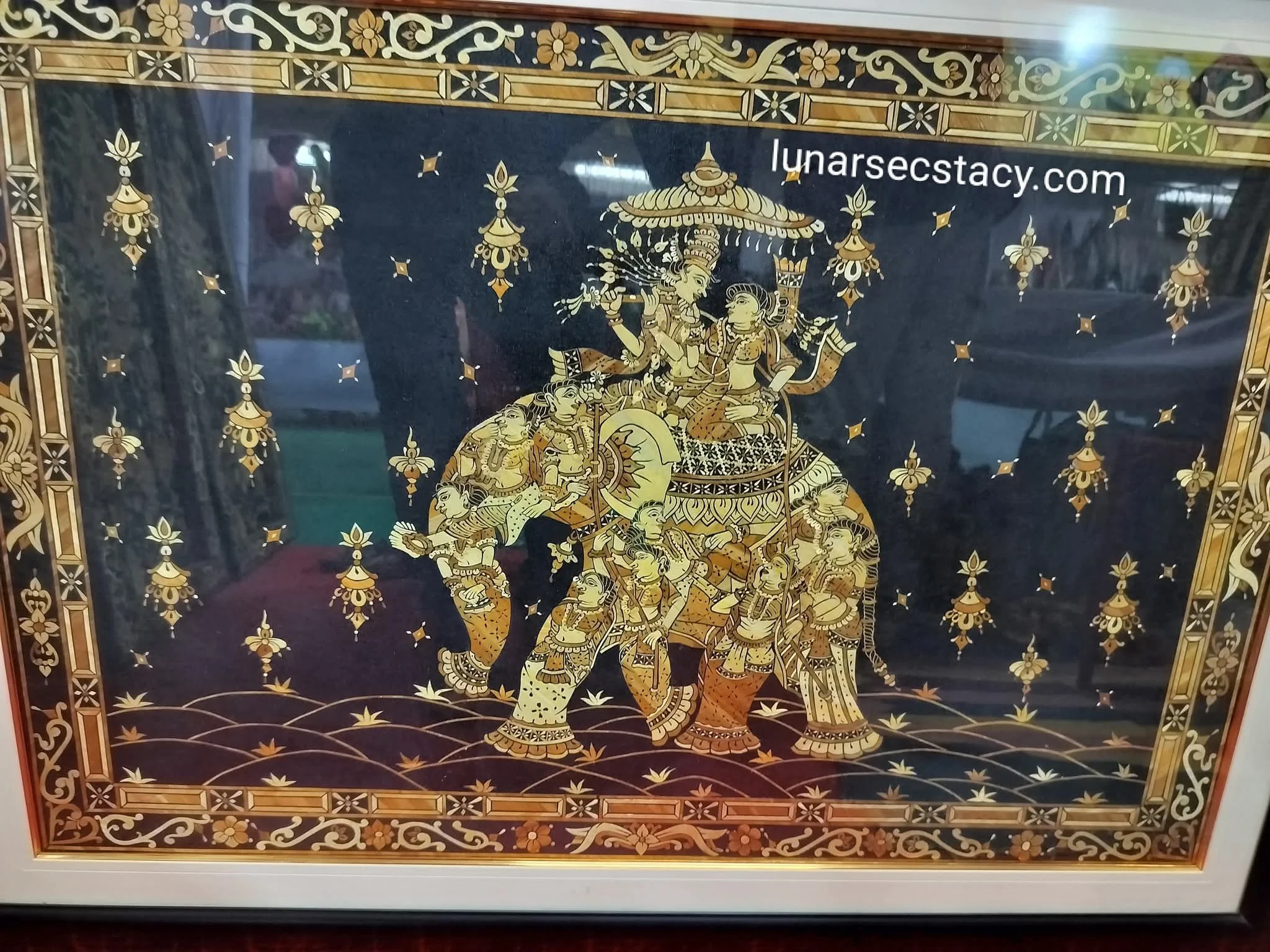

Hence we can come to the conclusion that the craft form using paddy and its subproducts is expanding, with artists creating more complex items…
Dr Manoj Mishra, lunarsecstasy@gmail.com
