The Exclusive Buddhist Iconography Of Ratnagiri & Lalitagiri Rarely Found

Country Made Liquors That Tribal People Are Very Fond Of
Odisha has a rich tradition of indigenous, locally produced country made liquors. These are primarily brewed by tribal communities using local ingredients like mahua flowers, rice, and palm sap. Key traditional brews include Mahuli (mahua), Handia (fermented rice), Tadi (palm sap), and Landa (ragi-based), often holding cultural significance for festivals and rituals Tribal liquors are often unique, such as Mahua, which is one of the few spirits in the world made from a flower…
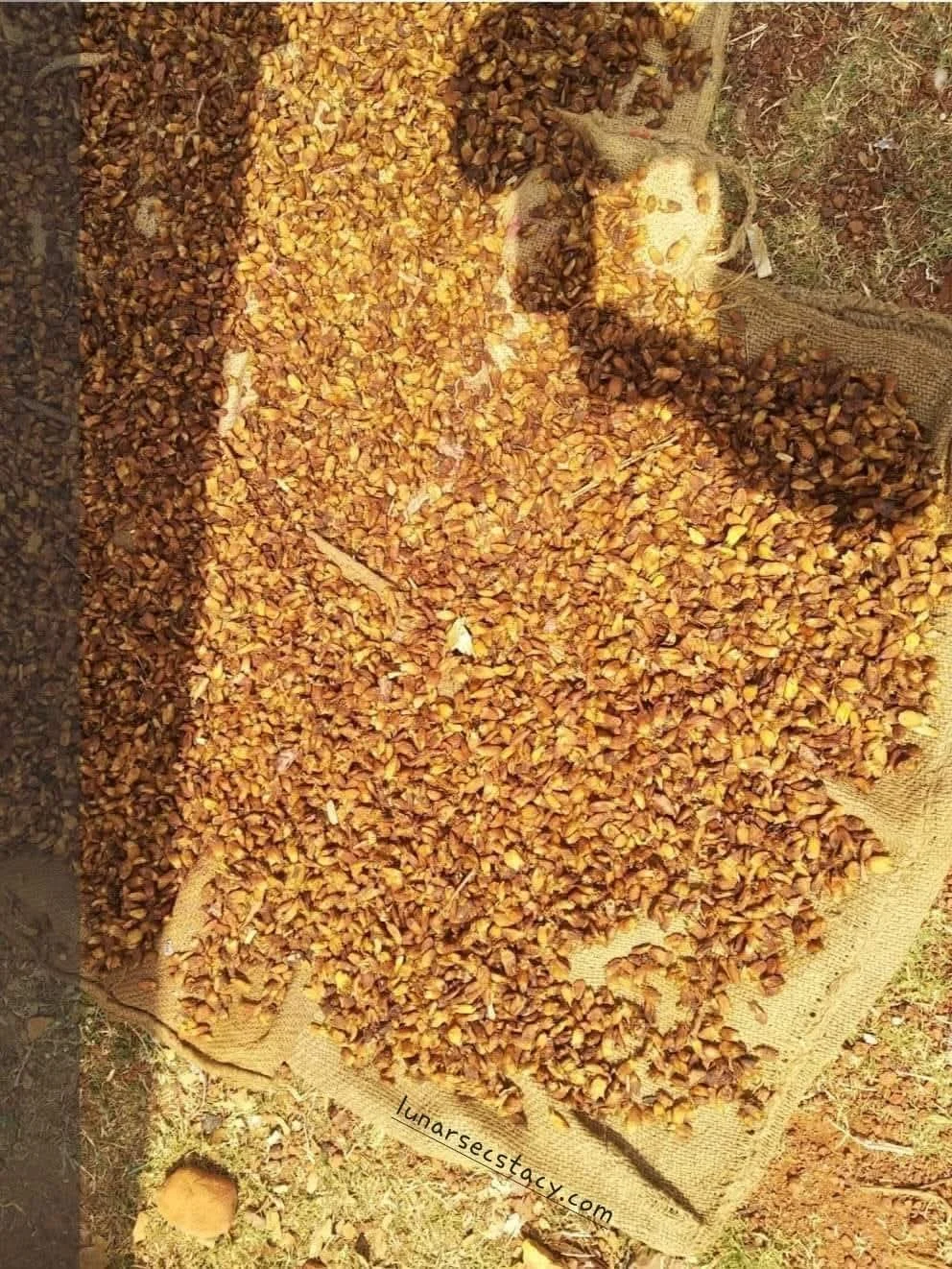
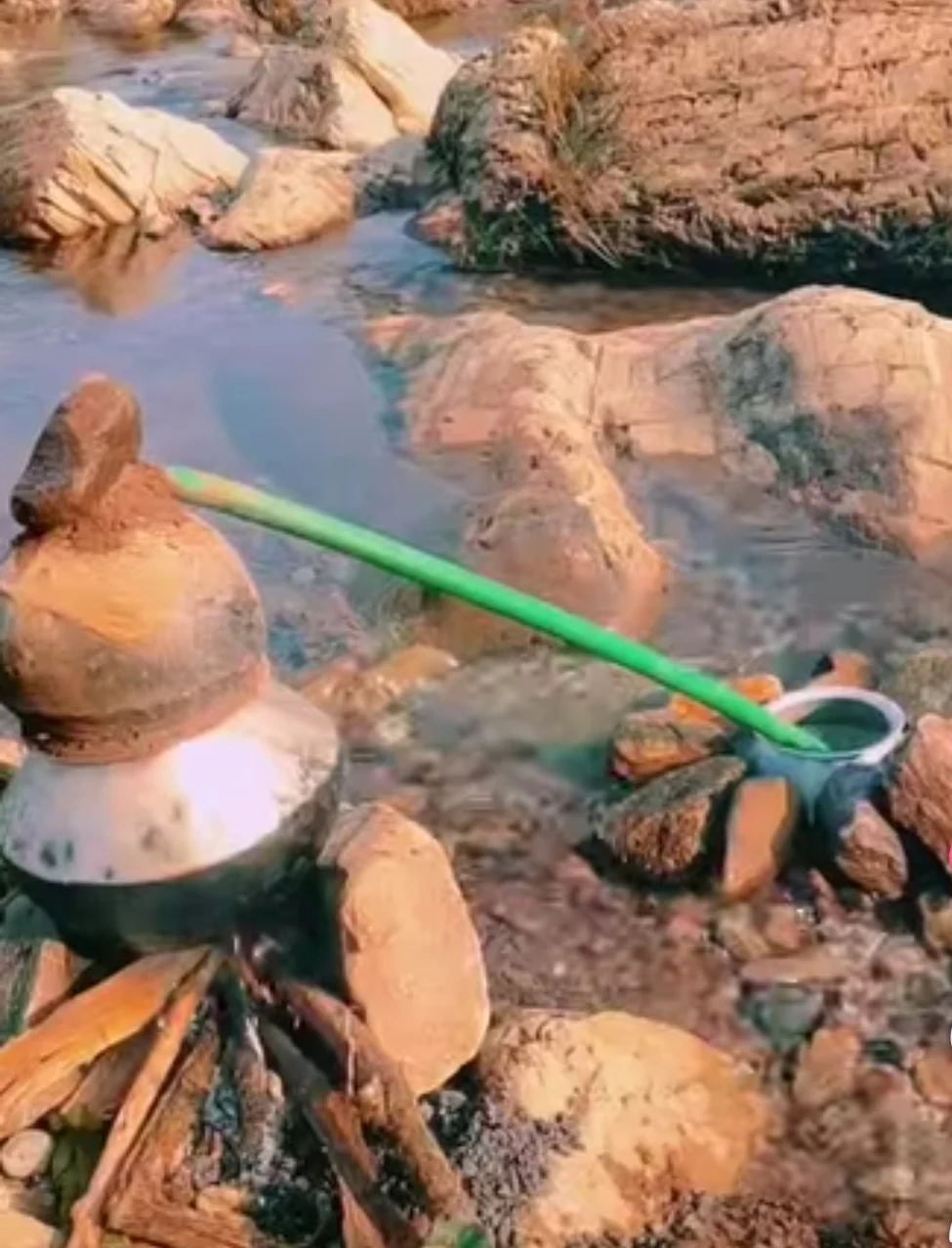
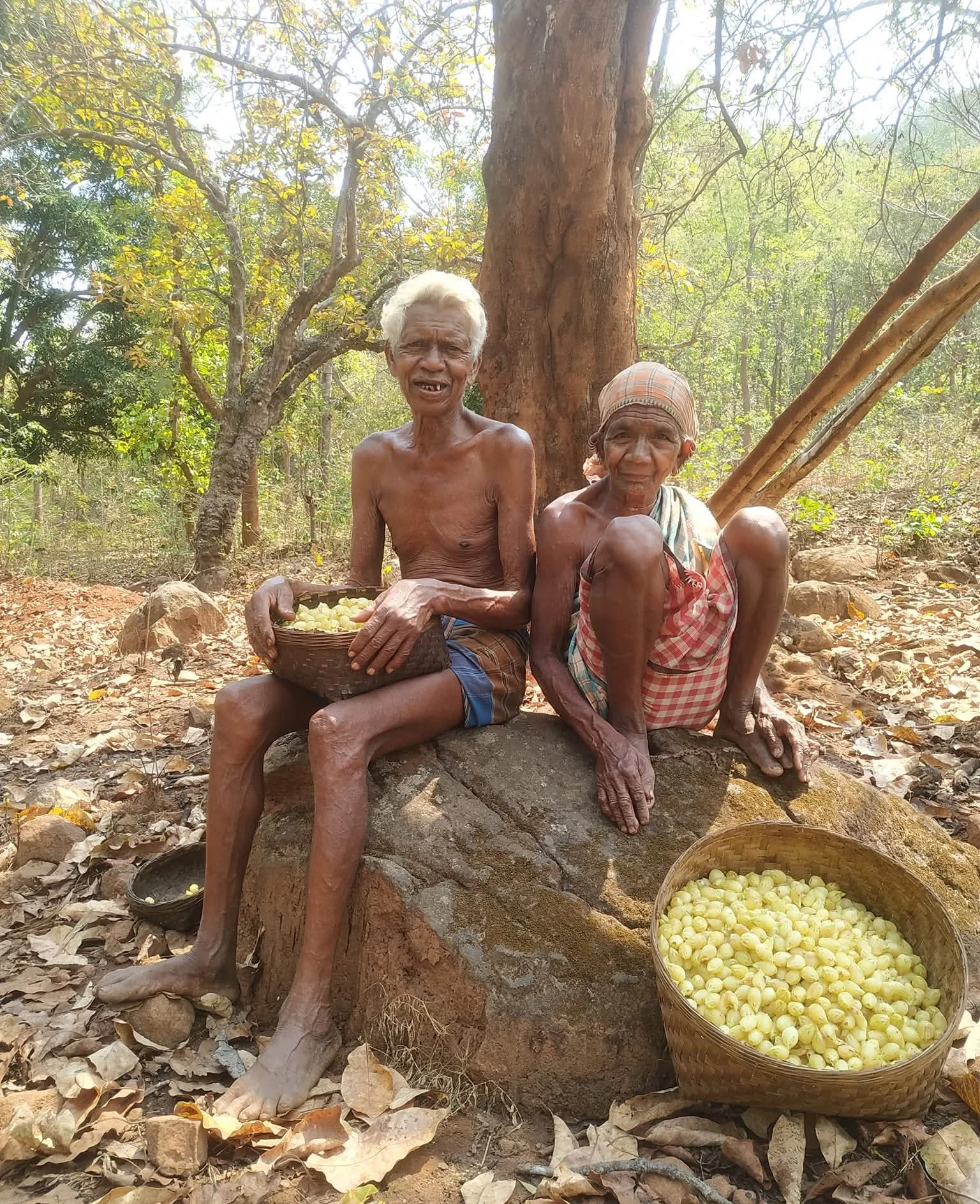
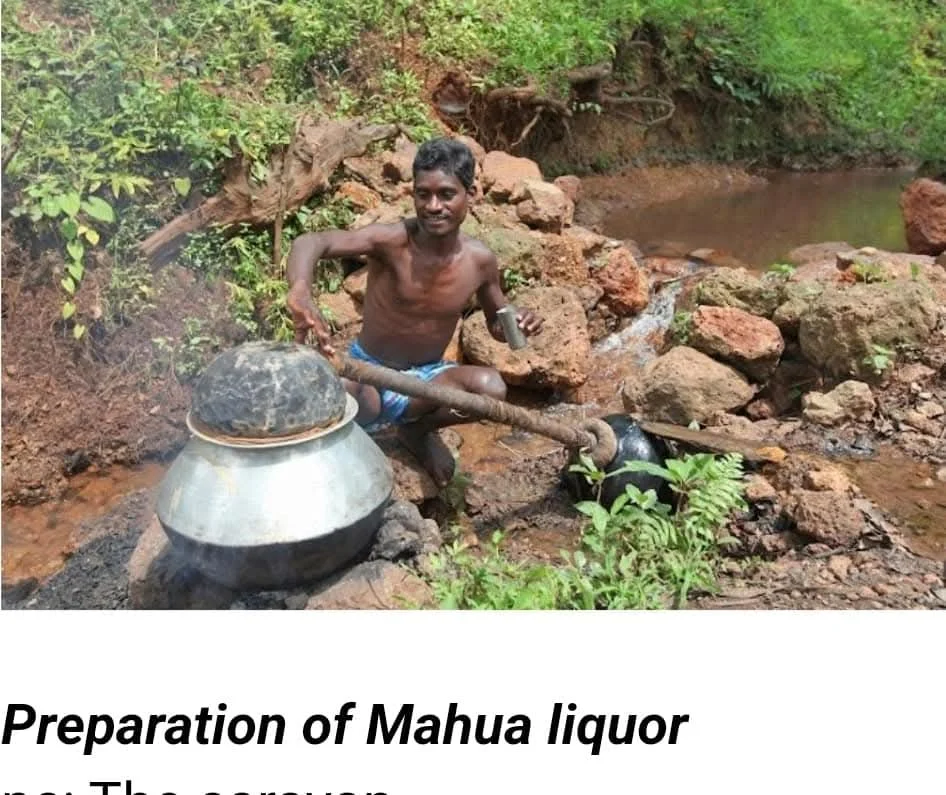
- Mahuli/Mahua: A popular spirit distilled from Mahua flowers (Madhuca longifolia), common in central Indian forests including Odisha.The botanical name of Mahua tree is ‘Madhuca Longifolia’ . Madhu implies sweet in Sanskrit . These trees are the loveliest when they have flowers in full sprout between late February and the end of April.From food to fodder , ayurvedic medication, country made liquor and even fuel,every part of the tree proves beneficial for many different purposes of human life.Its flowers and bark are widely utilized in the preparation of ayurvedic medications.The bark of the tree is utilized for treating chronic bronchitis, rheumatism, diabetes, eczema, piles, bleeding gums, skin disorders etc. People also do believe that it has aphrodisiac properties and proves good to treat male impotence. Mahua is additionally a cocktail made out of flowers of the tree and is a tribal mainstream summer drink. The purity of mahua liquor can be judged by sprinkling a few drops on fire. If it is found flammable, then it is good and pure. The mahua bush has a sweet and exciting smell. It’s taste is little similar to that of raisins or dried grapes.It’s flowers are decomposed after being kept submerged under water for 6 to 7 days and then distilled into the best country made liquor indigenous to India. Six kg of dried mahua flowers after distillation yields around 3 litres of mahua liquor.
Exporting tribal country-made liquor, such as Mahua from India, is not only possible but is currently being pursued as a “heritage spirit” to compete with global brands like tequila and sake. While traditionally considered a “country liquor,” modernizing the production process to meet international safety and quality standards allows for exportation to markets in Europe, the UAE, and North America.
The UN had declared 2023 as the ‘International Year of Millets’ and 2026 as the ‘International Year of Women Farmers’ …Now the time has come for a similar declaration ‘International Year of Mahula’ and the state govt. of Odisha should extend all kinds of support to benefit the tribal women largely dependent on ‘Mahua’. The government of Odisha intends to sell it as a mildly alcoholic drink which may prove hugely beneficial for the tribals who can collect the flowers and then sell at the minimum support price( MSP) set by the government so that the tribals can never be exploited by the traders.You may read the attached article in detail through the following link.
All Purpose Gift Mahua : Tree of Life of Tribal Odisha
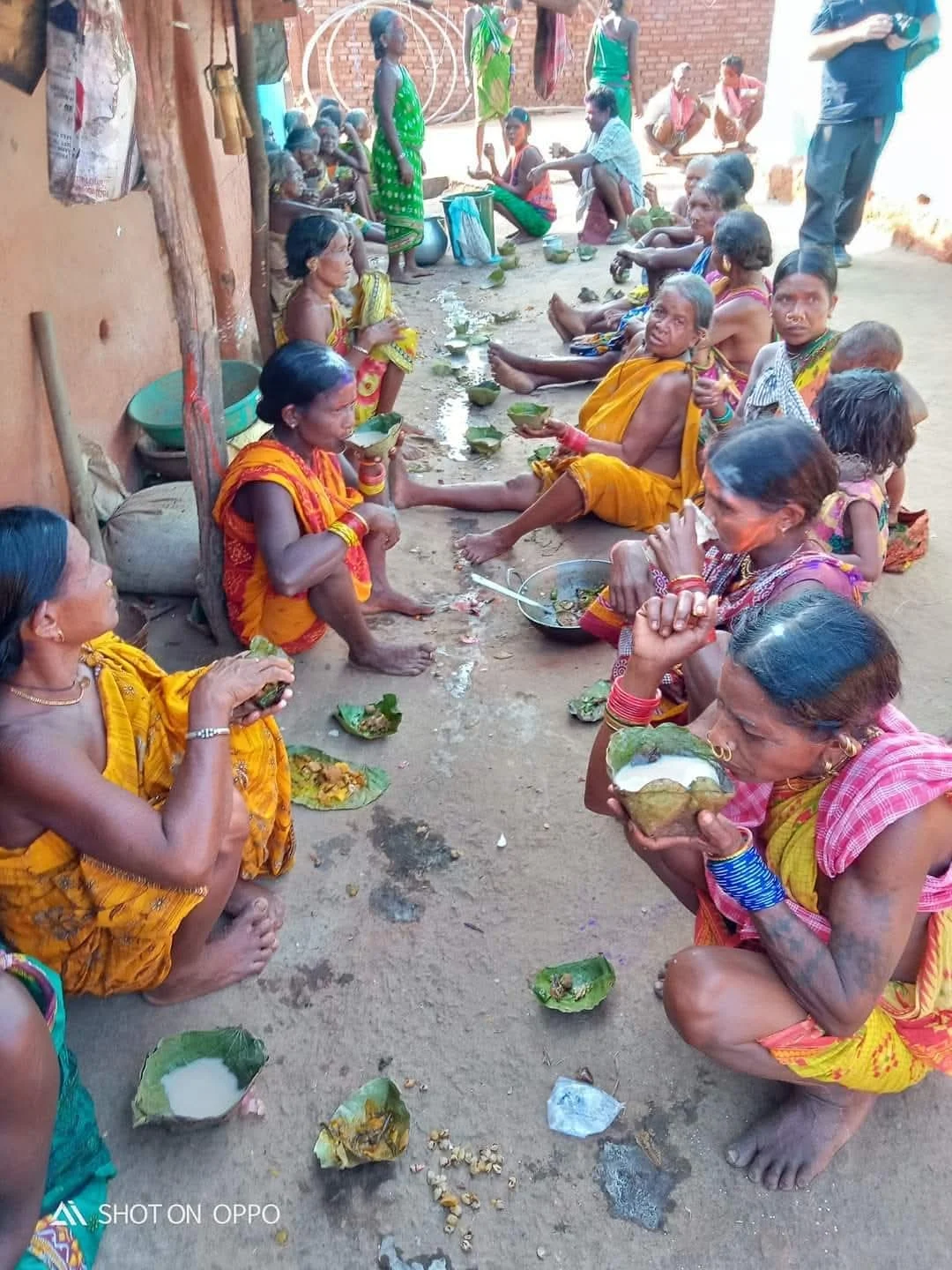
- Handia: A traditional fermented rice beer often consumed by tribal communities.”Handia” is often commonly referred to as the poorman’s whisky. “Handia” is prepared by the fermentation of rice or millet.Yes…I am talking about the widely consumed country made liquor in different tribal belts of Odisha. An annoying concern here is the unreasonable assortment of plant ingredients that go into the creation of bakhar( being made available in different weekly tribal markets in capsule form)…. that is the fermenting agent.During marriage and other celebrations and in the day to day routine life of the adivasis belonging to different parts of Odisha, handia takes the middle stage, both as food and drink. Here I am posting a photo of the Paraja tribal ladies consuming handia in leaf plates during a marriage ceremony.
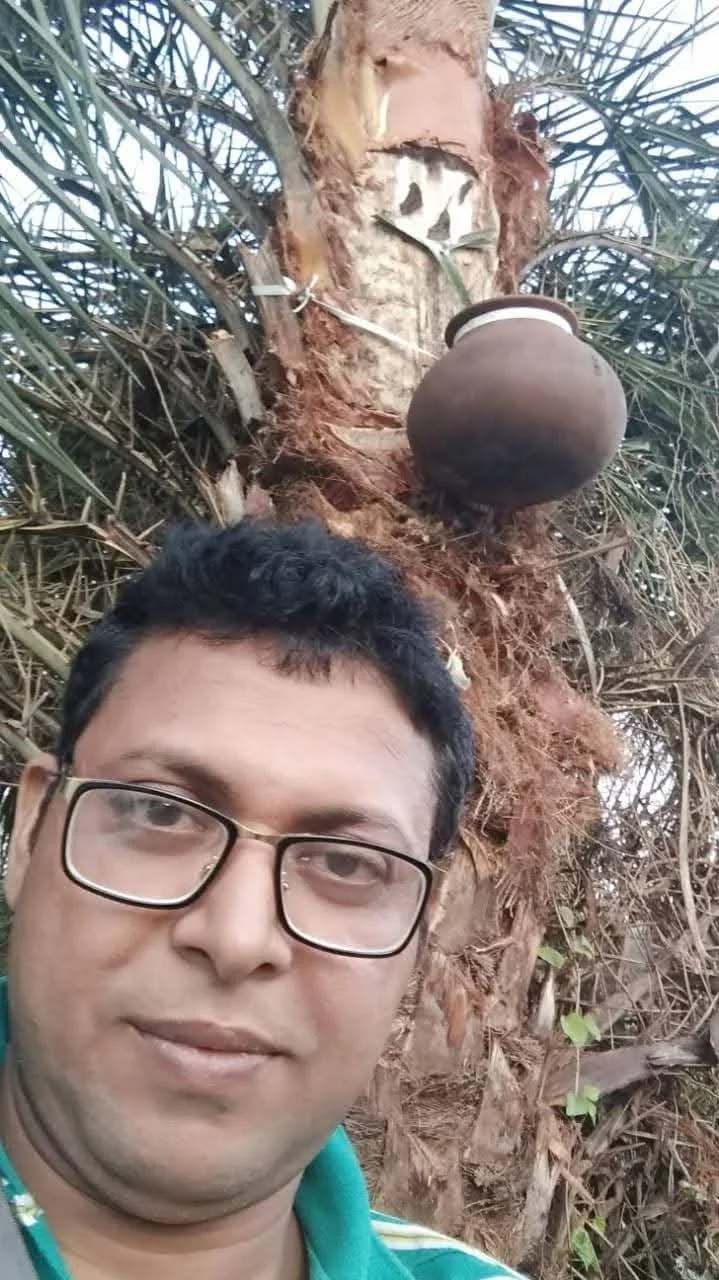
- Tadi (Toddy): Stem juice collected from the Phoenix sylvestris palm (locally known as Khajuri). Date palm juice, also known as ‘Khajuri Tadi’ is a sweet sap extracted from the trunk of date palm trees, particularly in the Odisha and Bengal region during winter. It’s a popular winter delicacy and is consumed fresh or processed into jaggery. But once it is exposed to sunlight for a substantial period of time, it becomes alcoholic. But when it is consumed raw , then the fear of contamination by bats remains. The juice is a natural source of sugars and nutrients, but it can also ferment quickly, turning into a milky, alcoholic beverage.
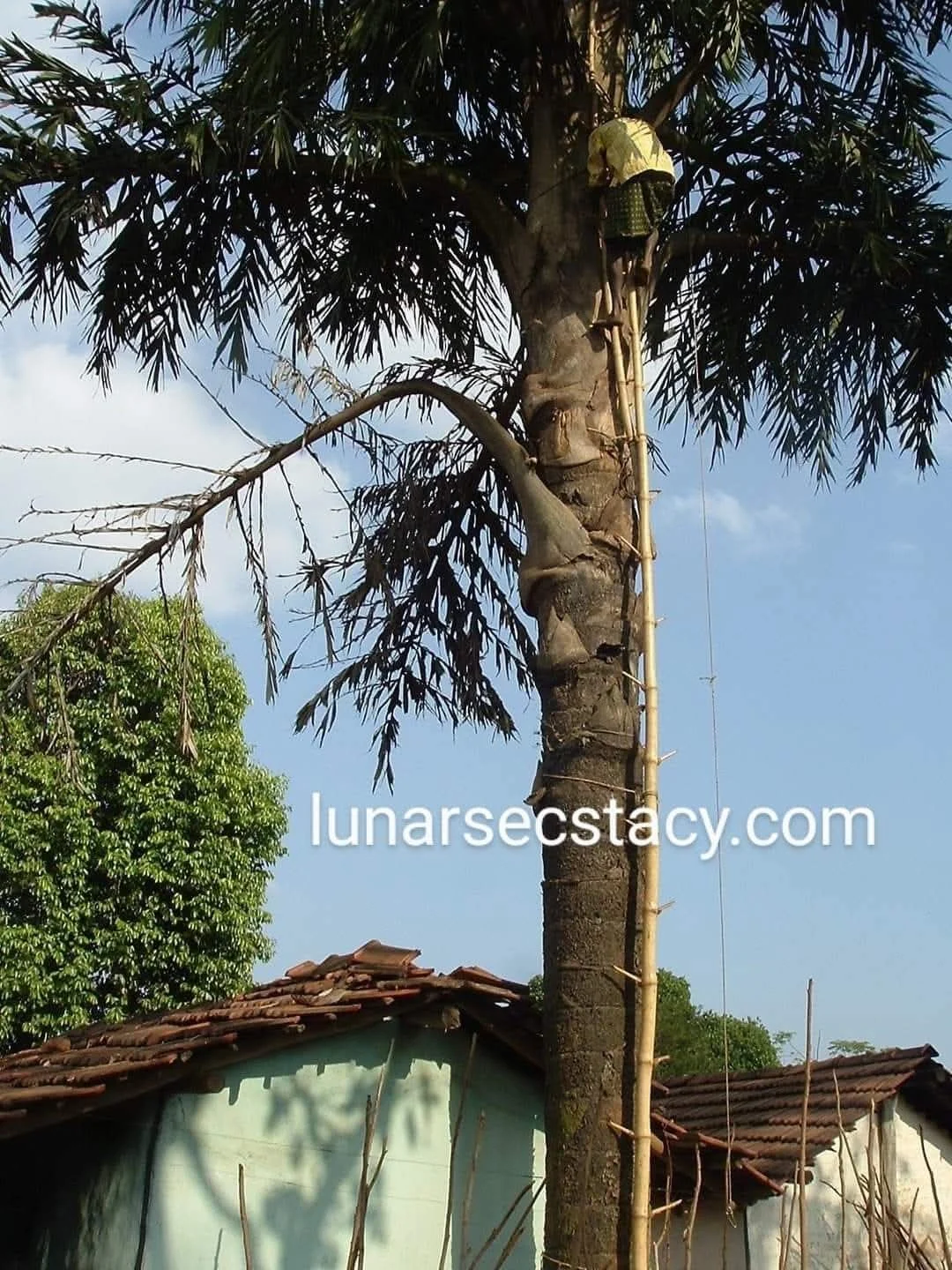
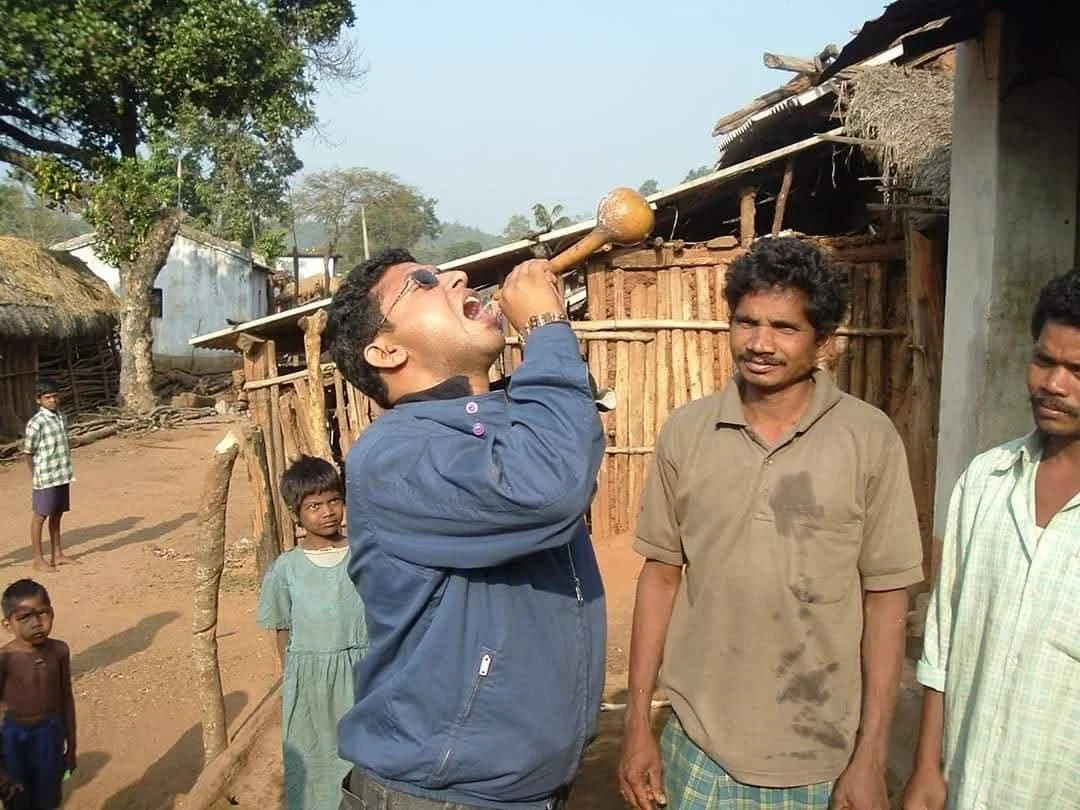
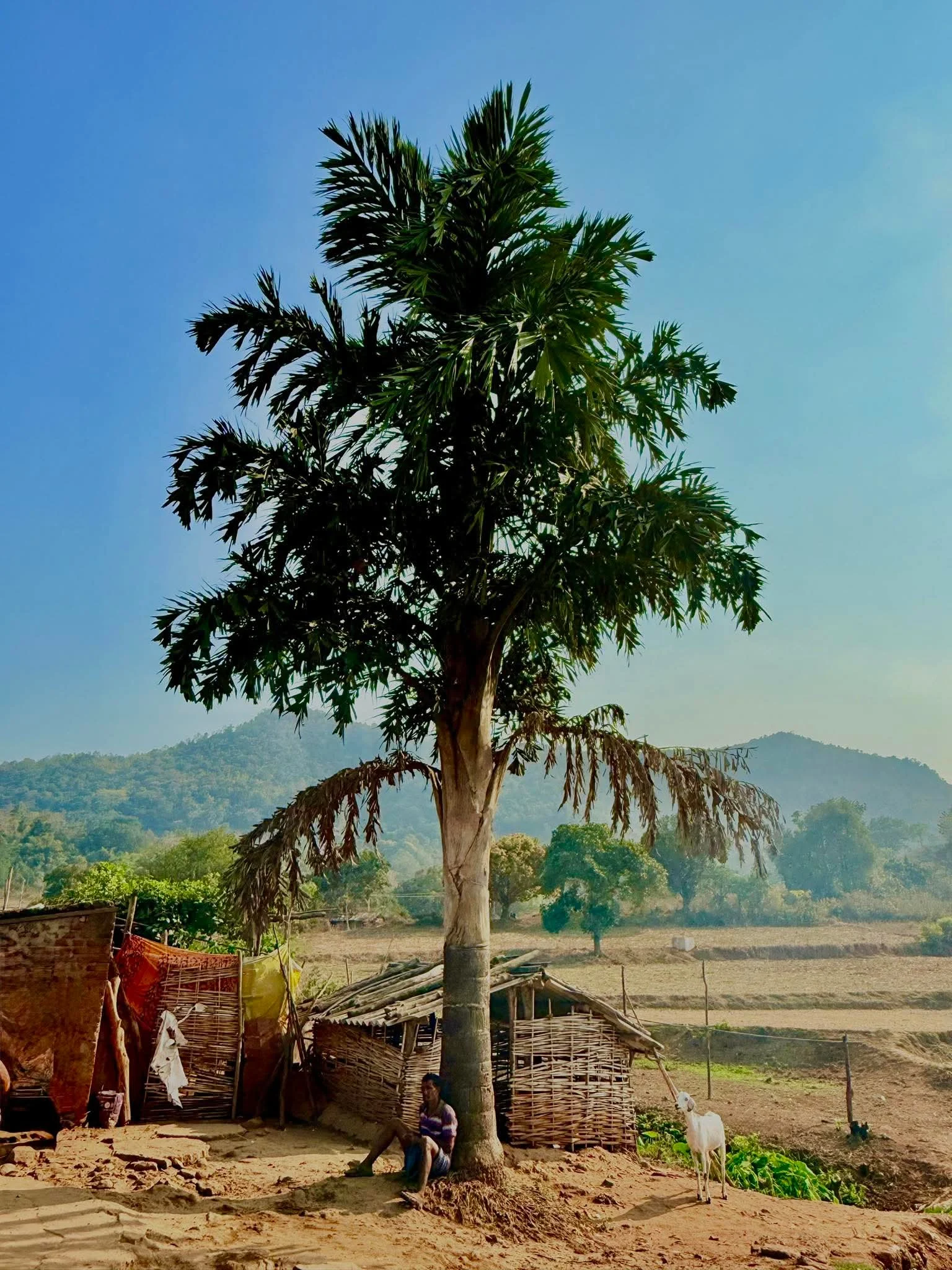
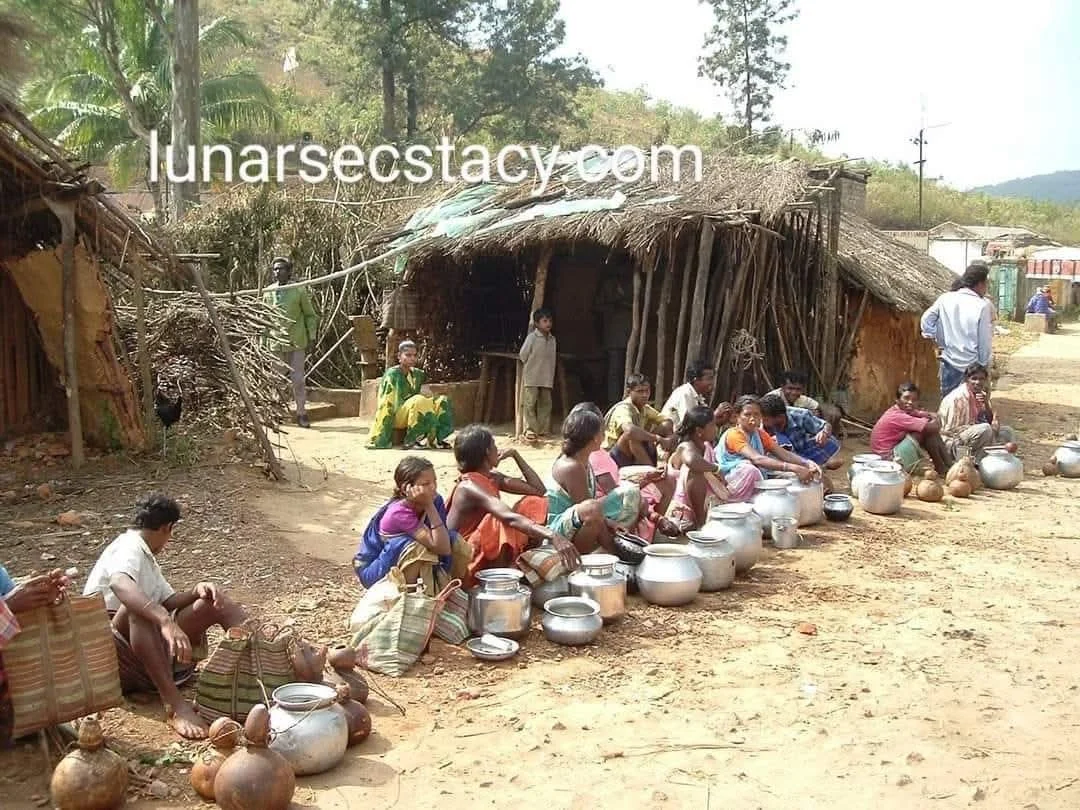
- The country made liquor SALAP is obtained after the fermentation process of the sap of Caryota urens (fishtail palm). It is abundantly available in south Odisha particularly.
- Landa: A rice or ragi-based (finger millet) brew, often used during festivals and rituals.
- Country Spirit (C.S.): Produced at licensed units, such as the Aska Cooperative Sugar Industry Limited (ACSIL). It is a government initiative.
- Latka: A beverage made from the fruits of Baccaurea ramiflora.
- Other local brews: Other traditional beverages include Chuak, Lugdi, and Zutho.
Here I am giving links to my widely read articles focussing on different aspects of the tribal lifestyles of Odisha .I really believe …there are several aspects of tribal life of Odisha that may possibly remain unnoticed, unheard if I don’t write about them.
Indigenous Tribal Peoples’ Household Goods on the Path of Oblivion
Tribal People’s Best Known Goods About To be Lost
Traditional Tribal Houses of Odisha
Tribal Musical Instruments of Odisha
Everything You Need To Know About Tribal Music Instruments of Odisha
Ethnic Tribal Jewellery of Odisha
A Few Best Known Beautiful Ethnic Tribal Jewellery of Odisha
Conclusion :
While historically significant, the production and consumption of these traditional liquors are seeing a decline due to the increased availability of foreign liquors, though they remain vital for community rituals. These beverages are integral to the cultural and economic life of many communities, though production is gradually shifting towards modern methods and being influenced by foreign liquor availability.
Entrepreneurs are actively working to take some of the country made liquors of India (particularly Mahua) to global markets, with successful trials and exports already occurring . The liquor must be tested in certified laboratories to meet international standards. Labels must follow specific guidelines, including statutory warnings, alcohol content (ABV), and ingredients etc. Several other requirements like IEC code( Importer Exporter Code from DGFT), FSSAI licence etc. are also required. Once the demand for these traditional country made liquors is raised, that will prove mutually beneficial for the local economy and the national economy aswell.
Dr. Manoj Mishra, lunarsecstasy@gmail.com
