
Ashta-Digapalas are the ultimate guardian deities of the eight directions.
Astadigapalas (Ashta-Digapalas) are the eight guardian deities or rulers of the directions in Hindu belief, playing a vital role in Vastu Shastra and temple architecture. Two temples of Odisha particularly Brahmeswar and Rajarani are having distinctly visible sculptural displays of those eight Gods who are watching over the eight directions. They have been sculpted facing their respective directions in specially allotted niches on the outer temple walls.
If we add the other two deities who are ruling over zenith and Nadir , it will be Dasa Digapalas. Brahma for Zenith and Vishnu/Naga for Nadir are referred to as the guardian deities of the respective directions.These deities, along with their assigned cardinal and intermediate directions, guard against negative energy and are often worshipped to ensure cosmic order.
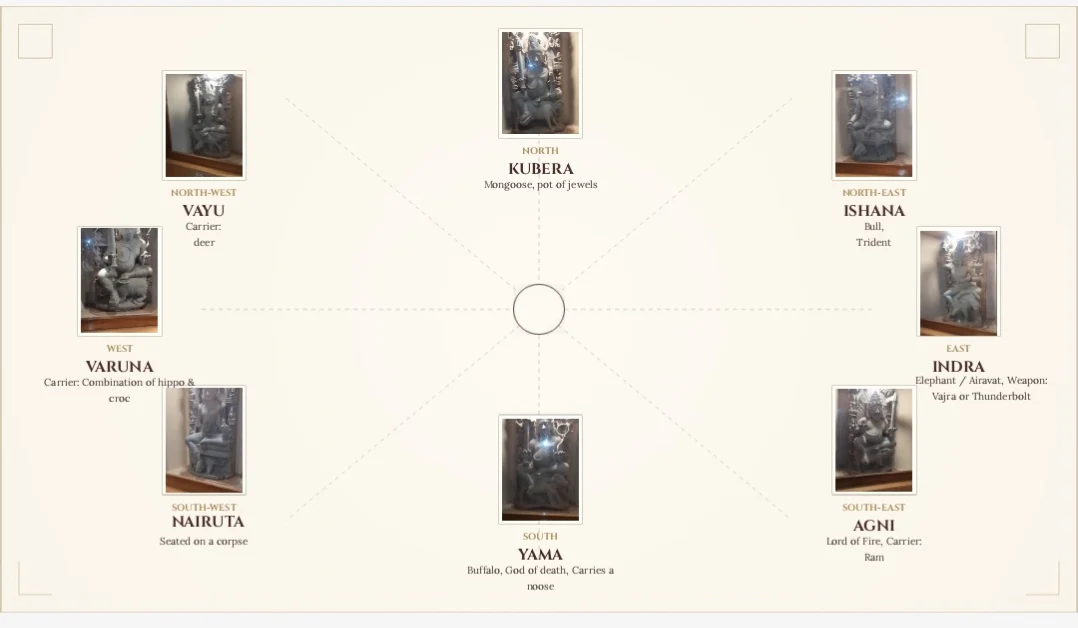
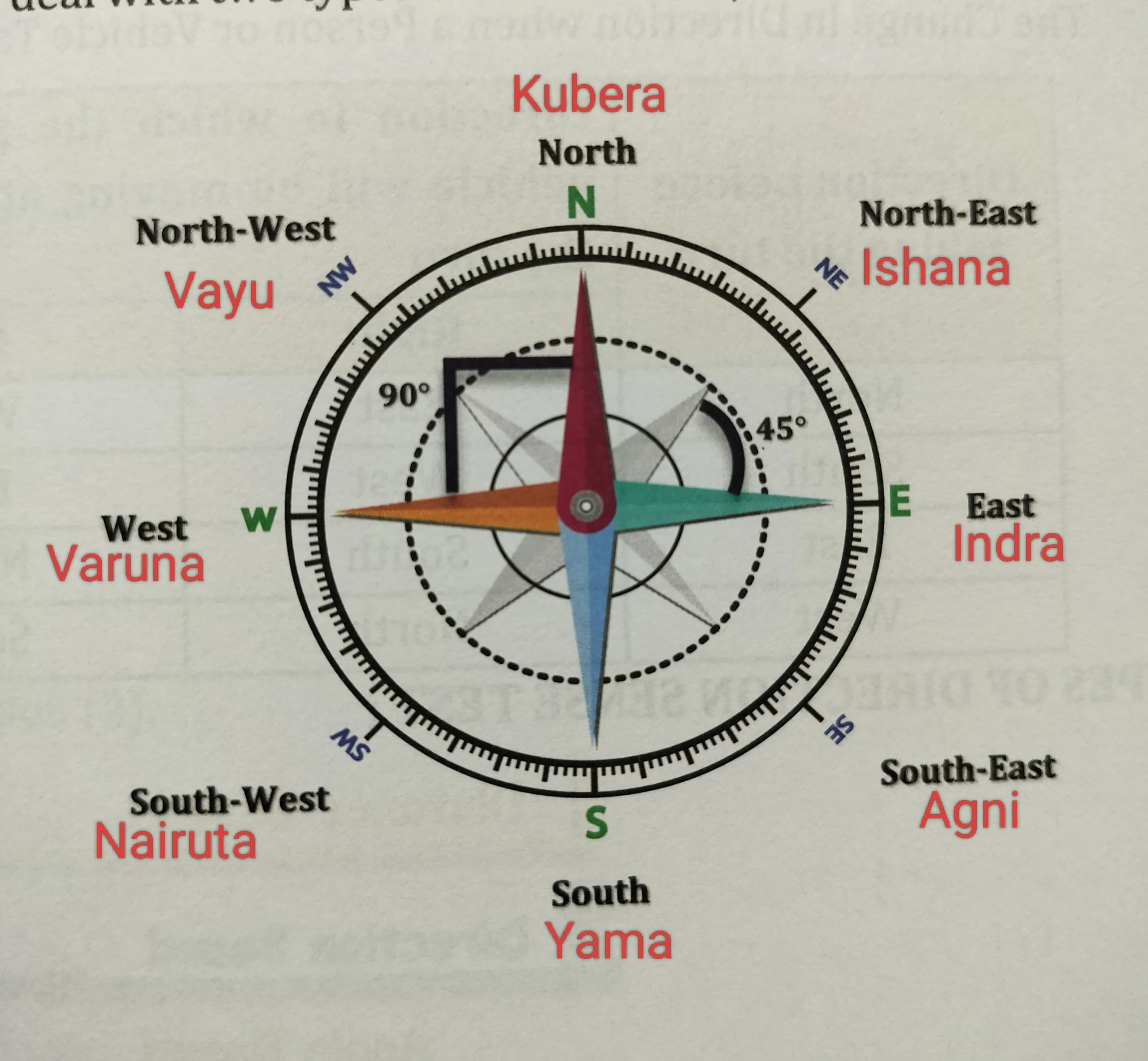
Both Hinduism and the different schools of Buddhism ( particularly Mahayana and Vajrayana pantheons) have a great belief in the system of guardian deities.
The Eight Guardian Deities of the Eight Directions (Ashta-Digapalas):
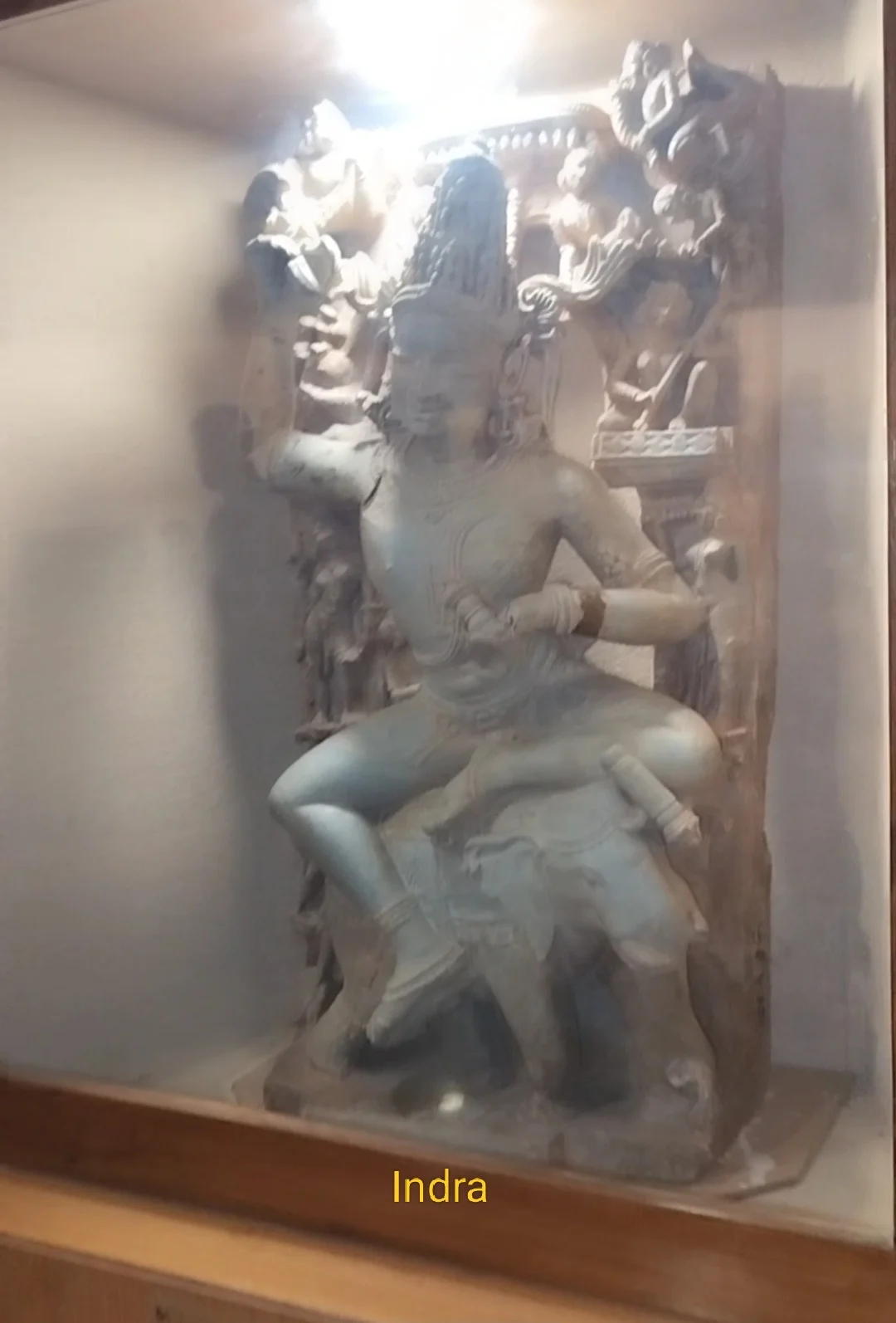
- East ( Purva) – Indra is the guardian deity of the east. He is the God of all “Devas”. His weapon is Vajra or thunderbolt and His carrier is elephant (Airavat) . He is one of the Rigvedic Gods . In Buddhism, the equivalent of Indra is Dhṛtarāṣṭra ,
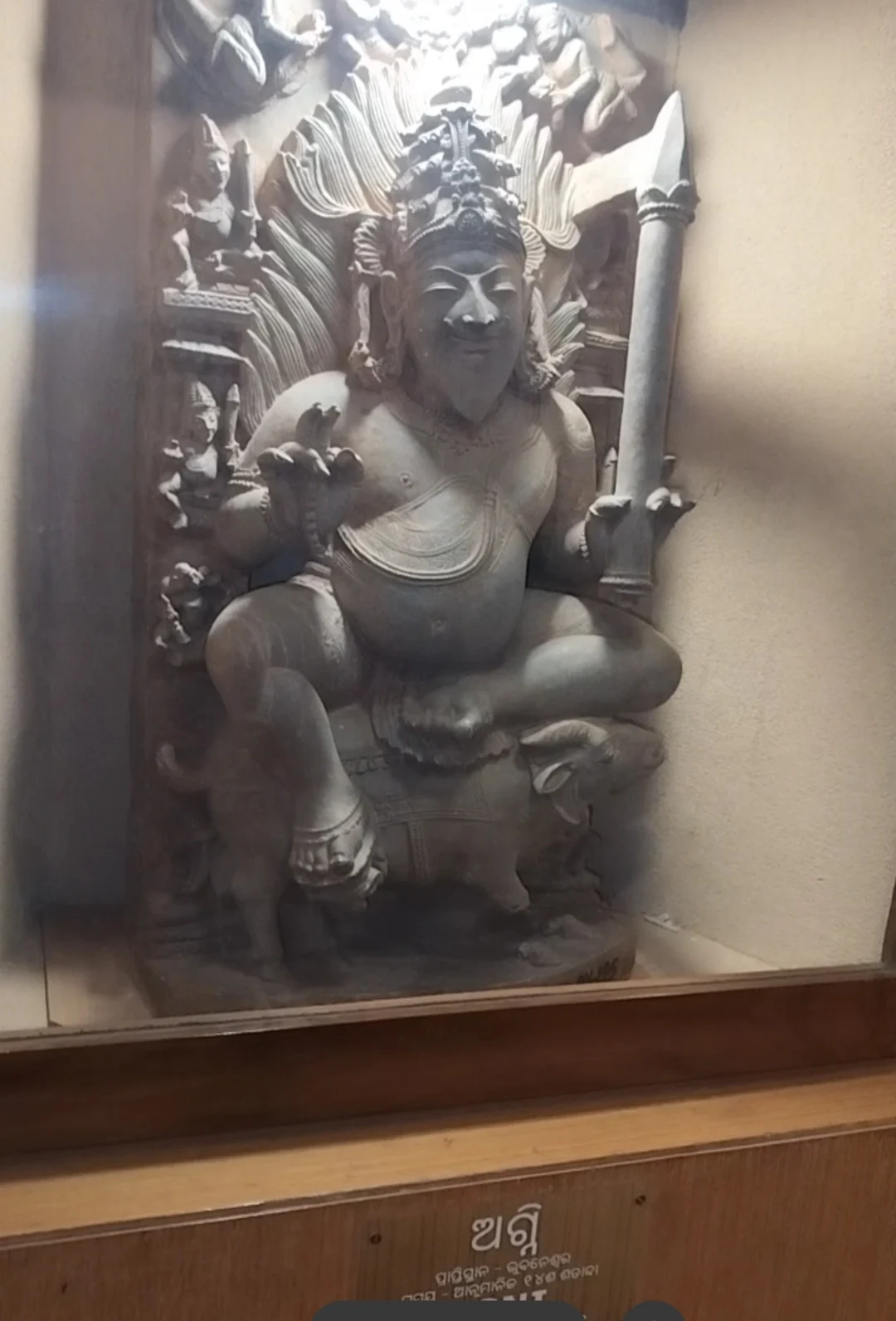
- Southeast ( Agneya) – Agni ( God of fire) is the guardian deity of the Southeast direction. He is another ancient Rigvedic God, who stands for the fire. He is the Vedic priest. He is sometimes depicted embedded in a halo of fire. He is found seated on a ram.
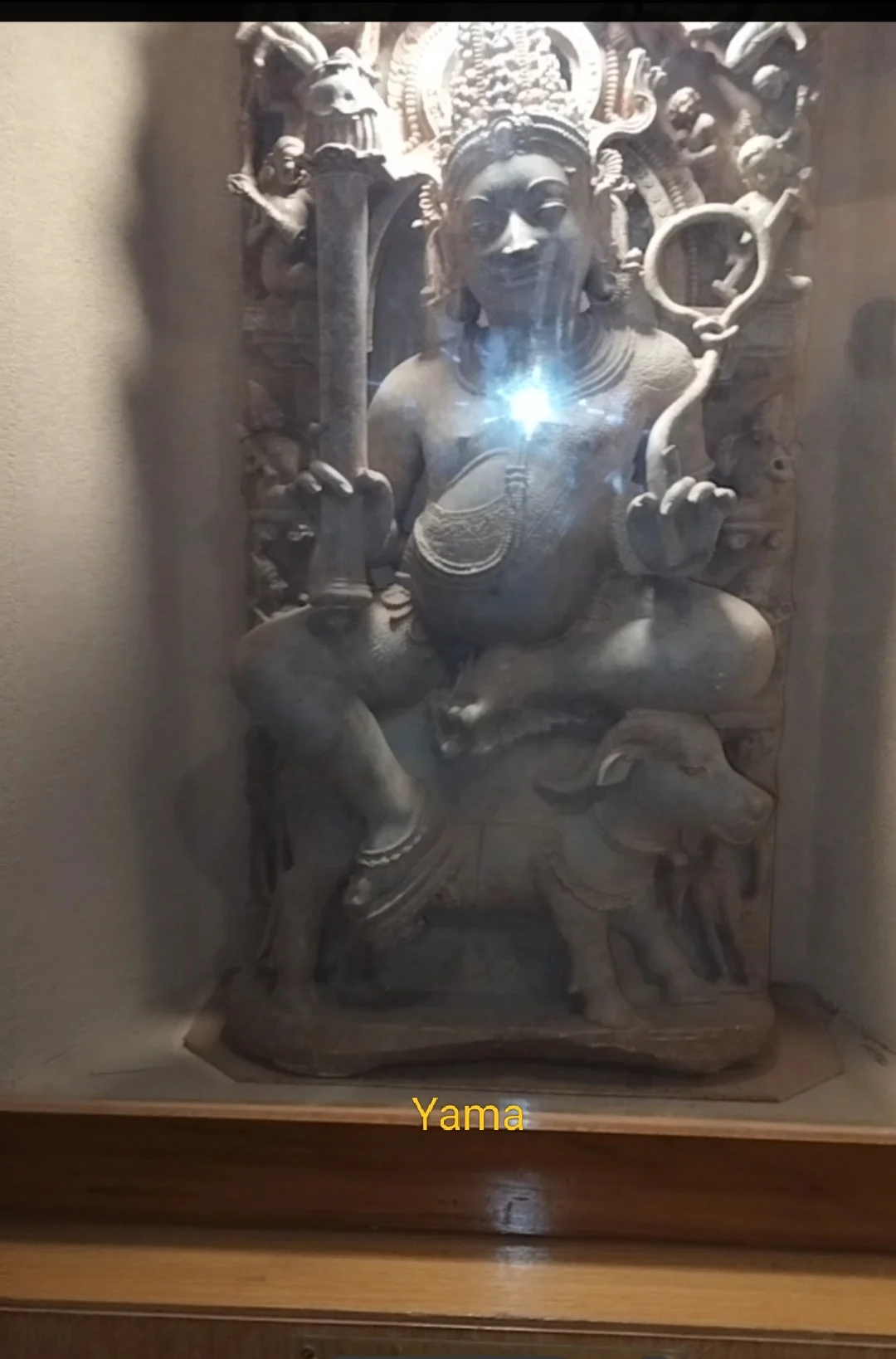
- South (Dakshina ) – Yama is the guardian deity of the South . He is the God of Death, perfect justice and Truth. He rides a buffalo and has a noose. The equivalent of Yama is Virūḍhaka (Guardian deity of South) in the Vajrayana pantheon of Buddhism. He is seen with a long curved sword which he uses to protect the Dharma. He is believed to take away the soul out of the body after demise.
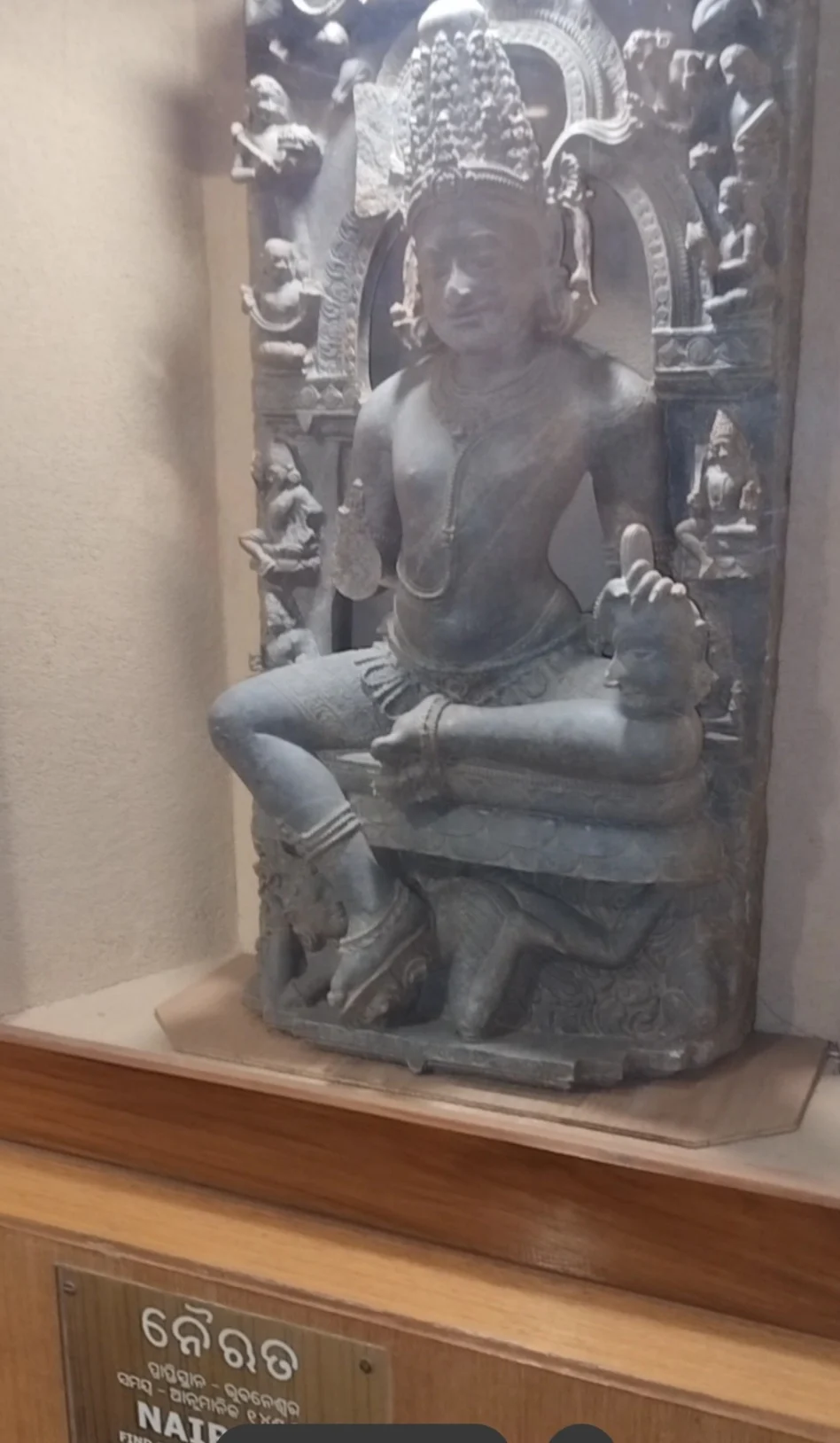
- Southwest ( Nairuta) – Nairuta is the guardian deity of SW. He/She is shown as a God and sometimes as a Goddess, who is invariably fierce and is found seated on a corpse.
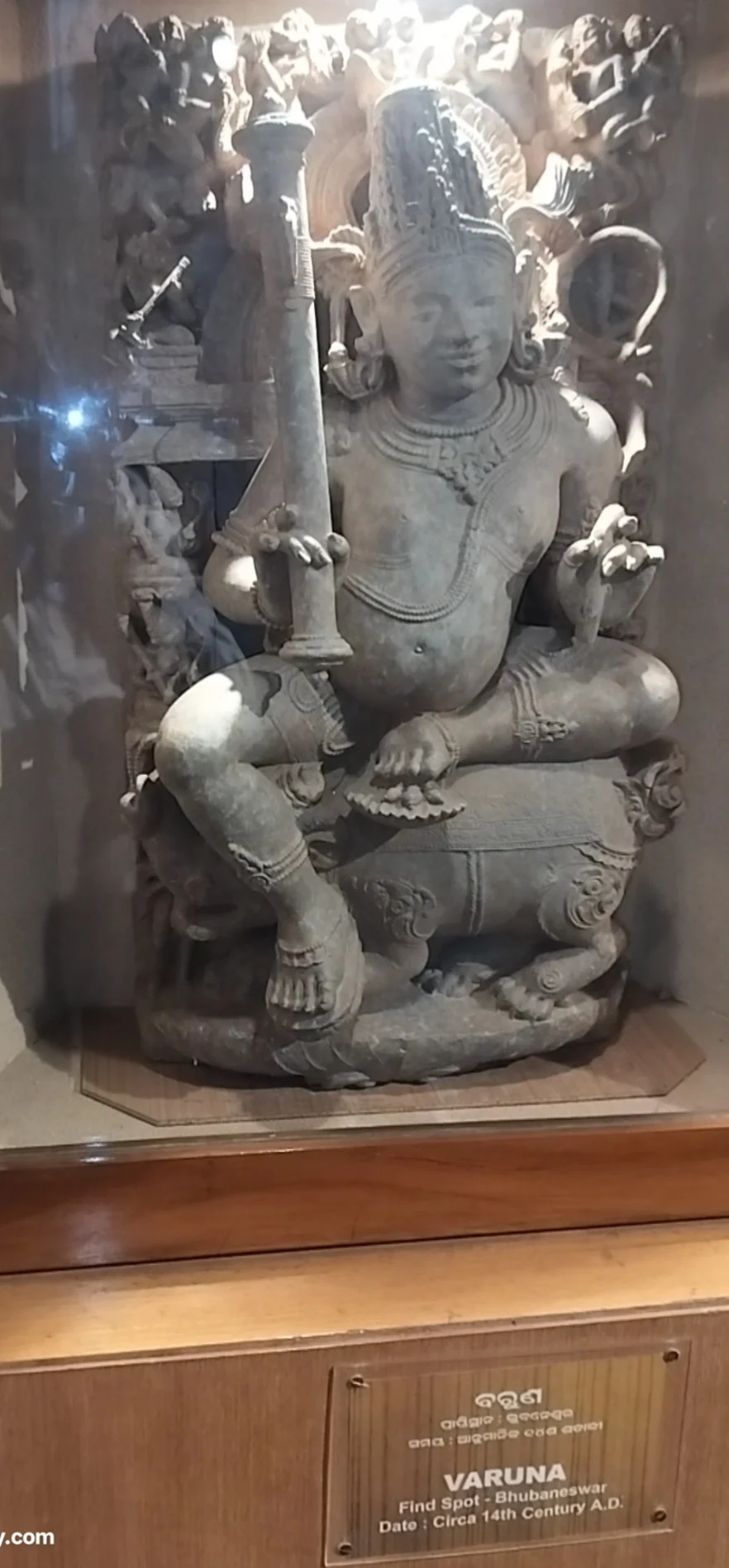
- West ( Paschima ) – Varuna is the guardian deity of west and referred to as God of water/ ocean. His symbolic weapon is the snake or noose. He is normally shown with a water pot and his carrier is a mythical creature that is a combination of a hippo and a crocodile. His Buddhist equivalent is also Virūpākṣa, the all seeing master in the sky.
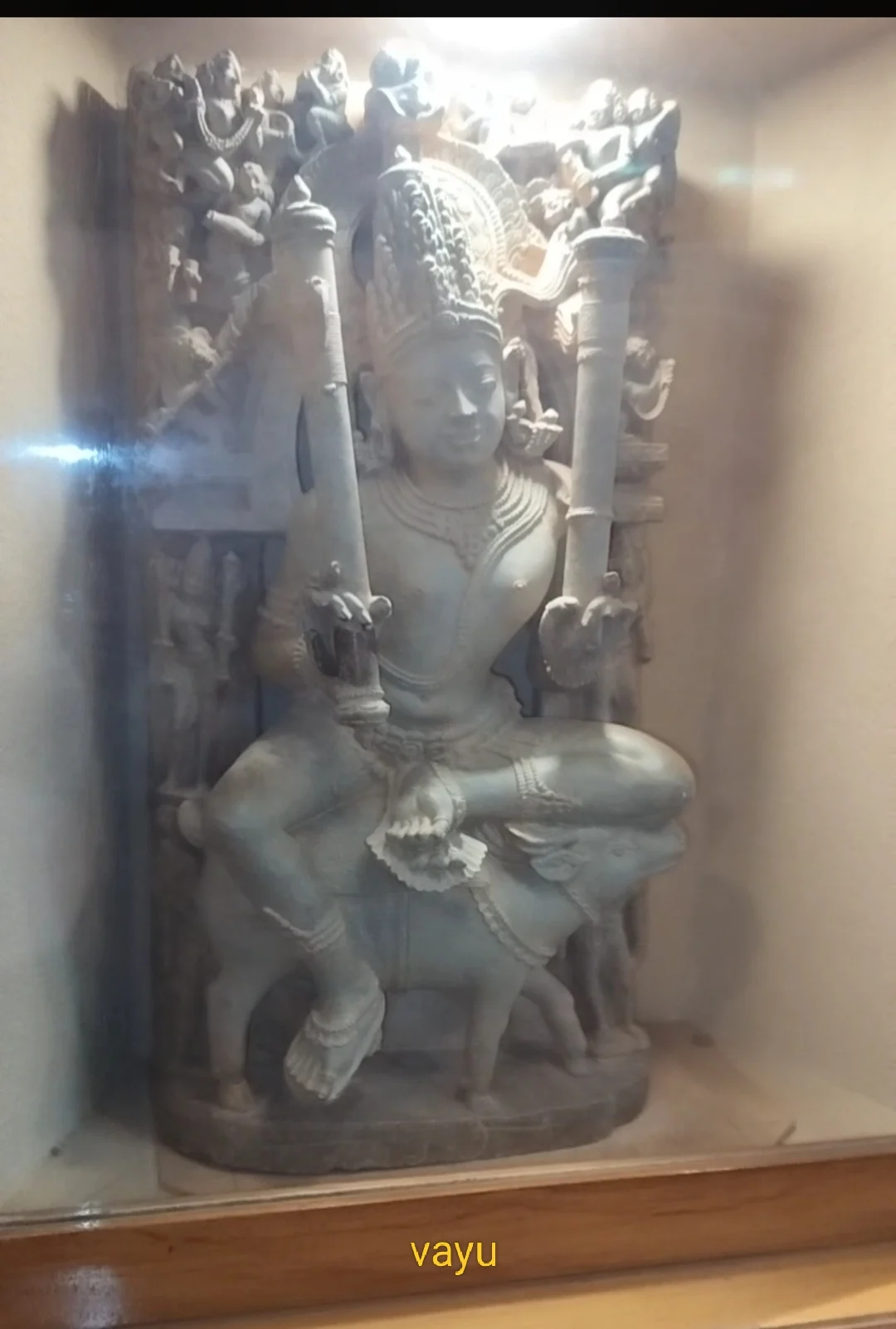
- Northwest ( Vayavya ) – Vayu ( God of Wind) is the guardian deity of NW. Vayu is another of extremely ancient Gods who finds mention in Rigveda. He is found seated on a deer.
- North ( Uttara) – Kubera ( God of Wealth) is the guardian deity of North . He is found normally with pots full of jewels and at times with a mongoose. In the Mahayana form of Buddhism, He was Jambhal. He is worshipped with a lot of fervour particularly on the day of Akshaya Tritiya, Diwali and some other days for wealth generation. Thus we pray to him during “Ashtadigapala Poojas” done during griha pravesh and other Poojas. He is known as Sarvanubhuti in Jainism, Daneswara in Indonesia, and Vaisravana in Vajrayana Buddhism.
- Northeast ( Aishanya ) – Ishana is the guardian deity of this direction . He is often considered a form of God Shiva. Ishan is found seated on the Bull and is possibly the synonym for Isha or Ishwar.His weapon is the trident and wraps a costume of tiger skin on His body.
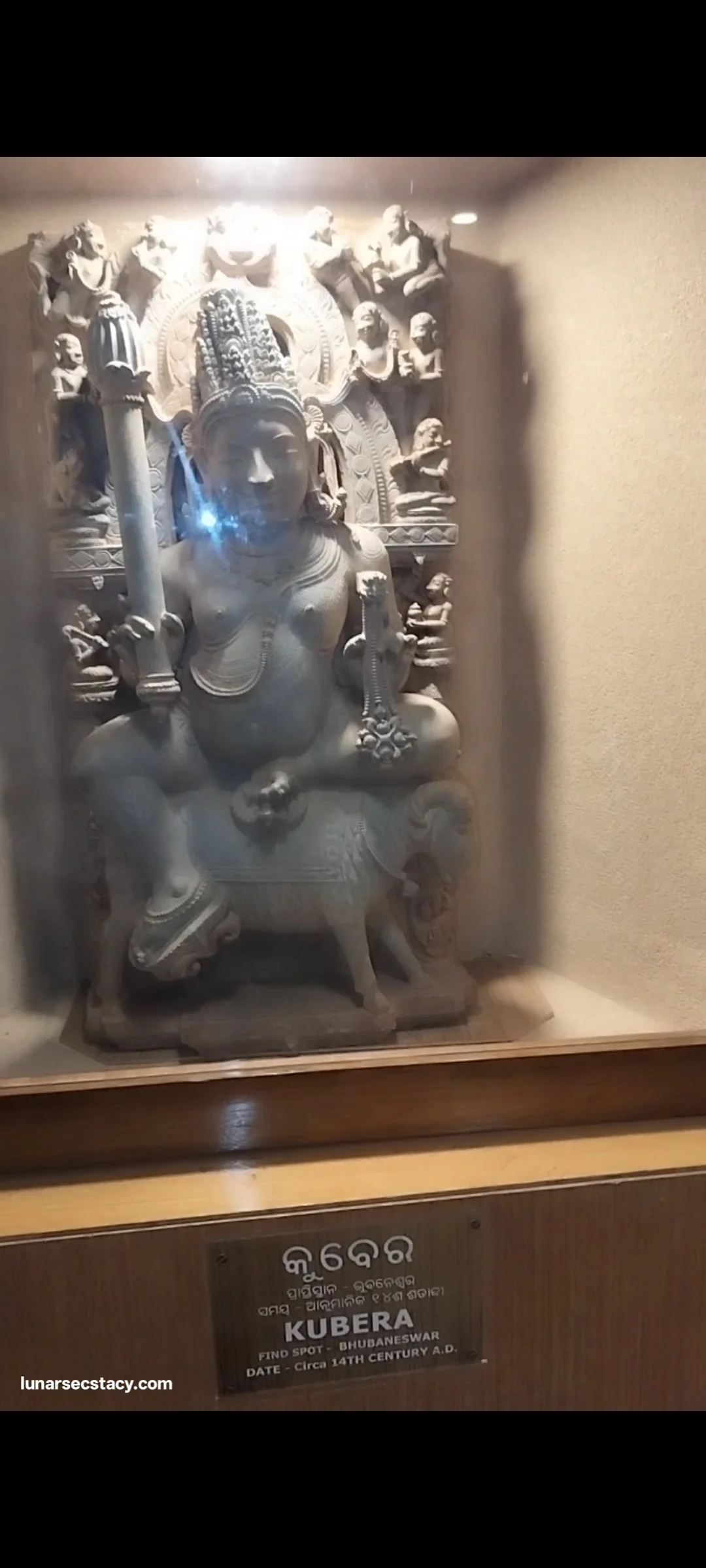
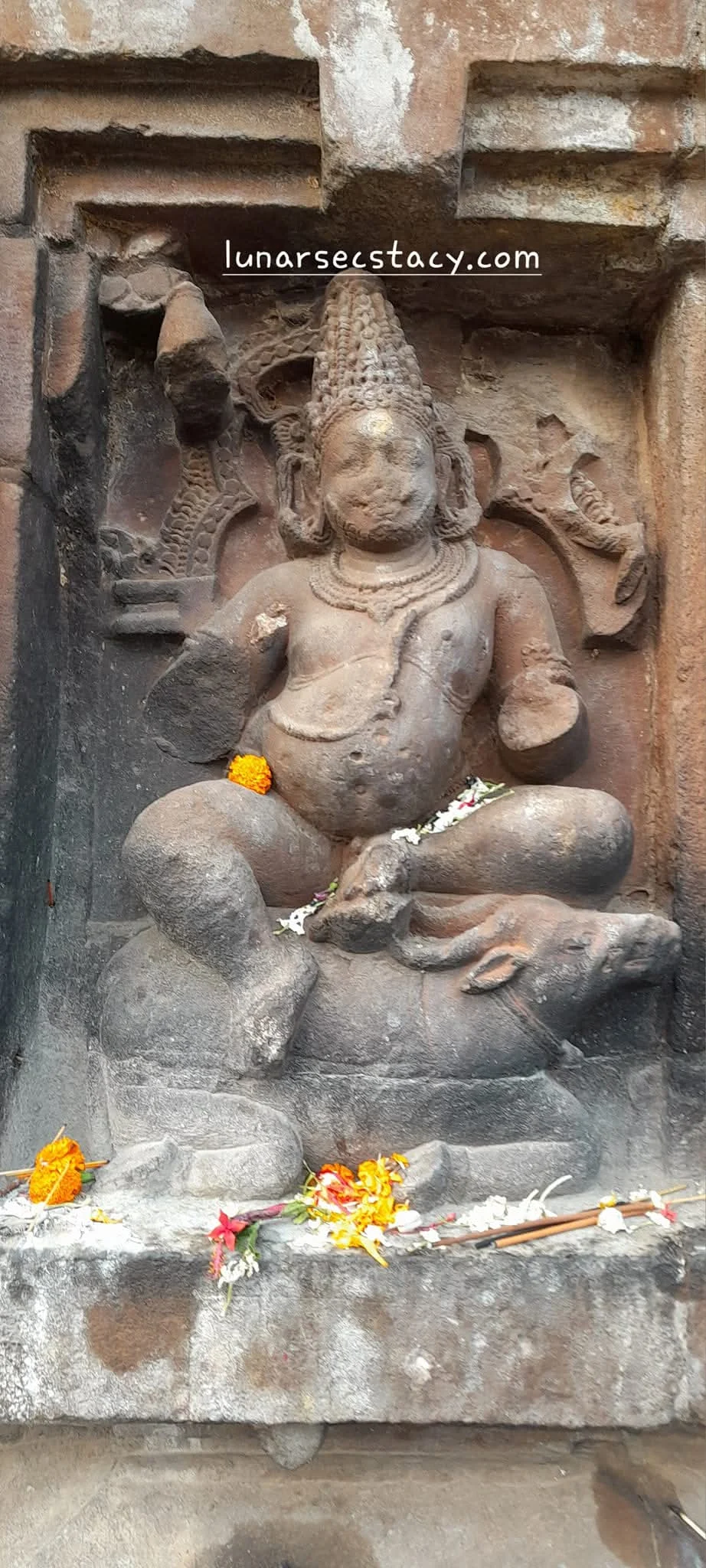
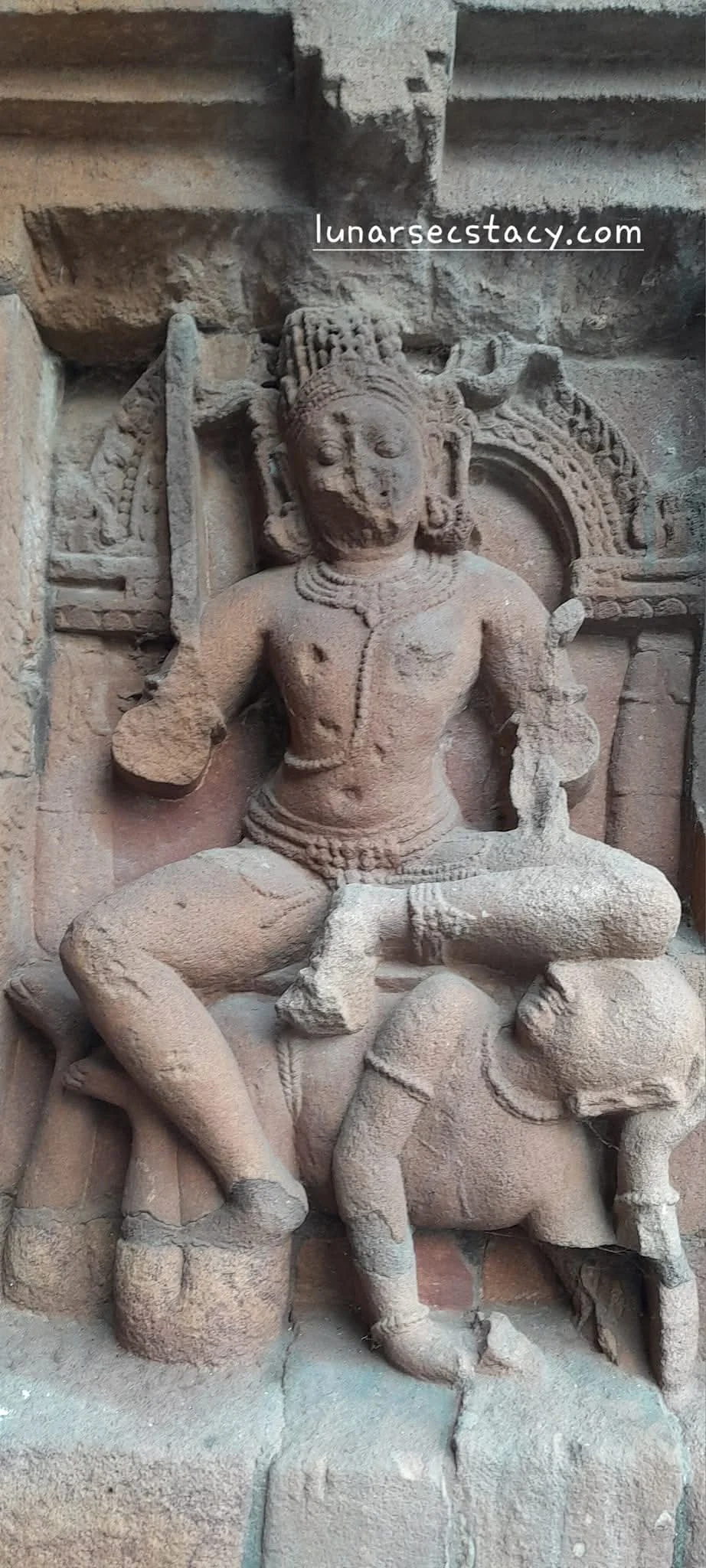
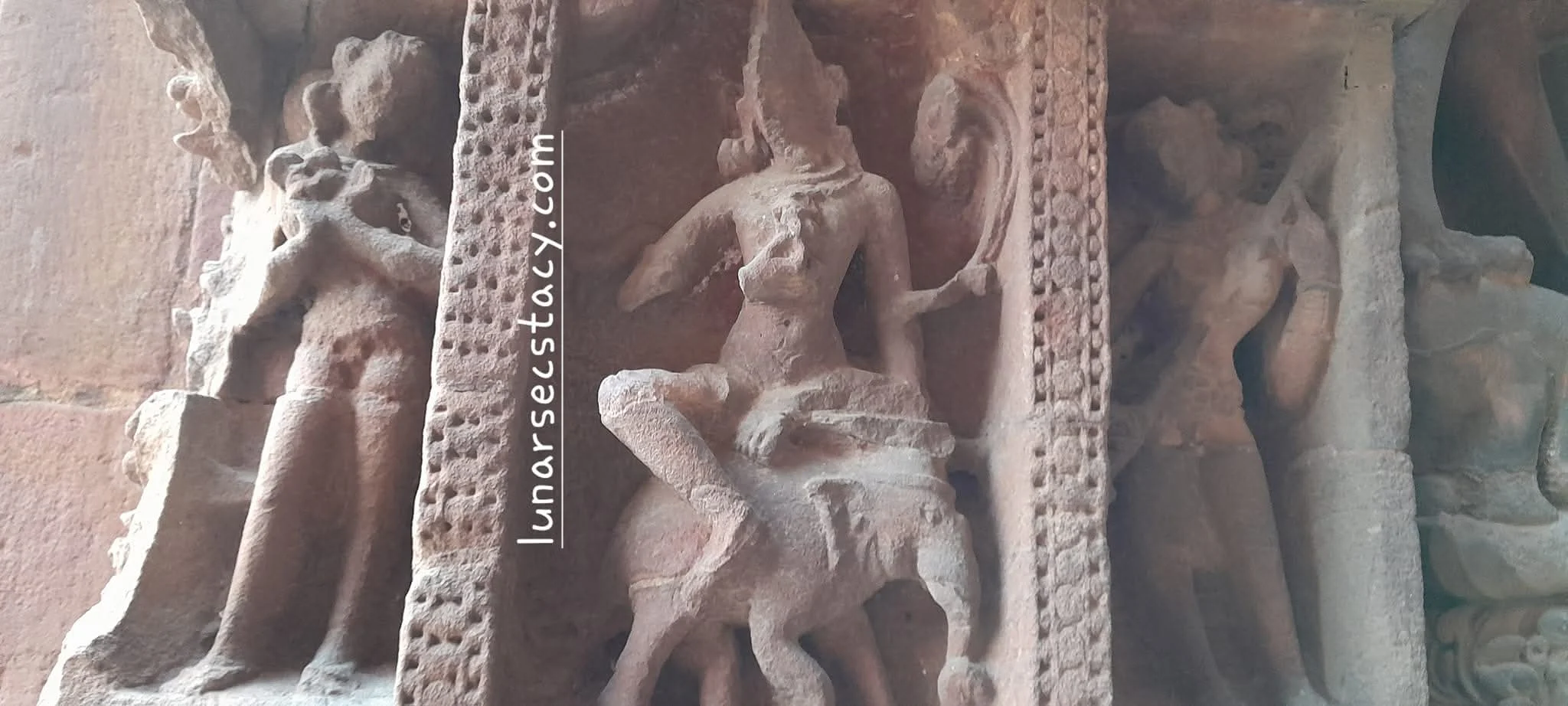
You may go through the following article on the Brahmeswar temple having a vivid sculptural display of all the Ashta -Digapalas
Wonderful Bramheshwar Temple: FirstUse of Iron Beam Thousand Years Back
Key Details:
- Extended Guardians: When adding Zenith and Nadir to the eight, they become the Dasadigapala (Ten Guardians).
- Vastu Shastra: The Ashta-Digapalas are central to determining the location of rooms, doors, and furniture in a home. Normally the prayer rooms are designed in the northeast (Aishanya direction) while Southeast (Agni kona) suits kitchens. Accordingly the bathroom is normally designed in the west because the God of water ( Varuna) rules over west.
- Iconography: These deities are often depicted on the ceilings/doors of Hindu temples( that is believed to guard the temple from all possible sides ) in special Ganjifa card sets, and in ritualistic paintings.
Conclusion:
While the Ashta-Digapalas rule the 8 directions, the Navagrahas rule the nine planets. In this context, you may go through the following article for a detailed understanding of Navagrahas and how they are found positively above the door jamb of Kalingan temples…
Discover Navagrahas Guaranteed Above the Doorjamb of Kalingan Temples
More Indian people have laughing Buddha in their homes than “Kubera” idols . Though the feng shui “Laughing Buddha” bears a striking resemblance to “Kubera” , Indians seem to be more familiar with laughing Buddha in comparison to our very own God of Wealth who is none other than “ Kubera”. This Ashta-Digapalas theory gives support to another strong belief in Hinduism…that God is everywhere or omnipresent.
Dr Manoj Mishra,
lunarsecstasy@gmail.com
