The Ultimate Odia Bhagabata: Jagannath Das’s Timeless Masterpiece

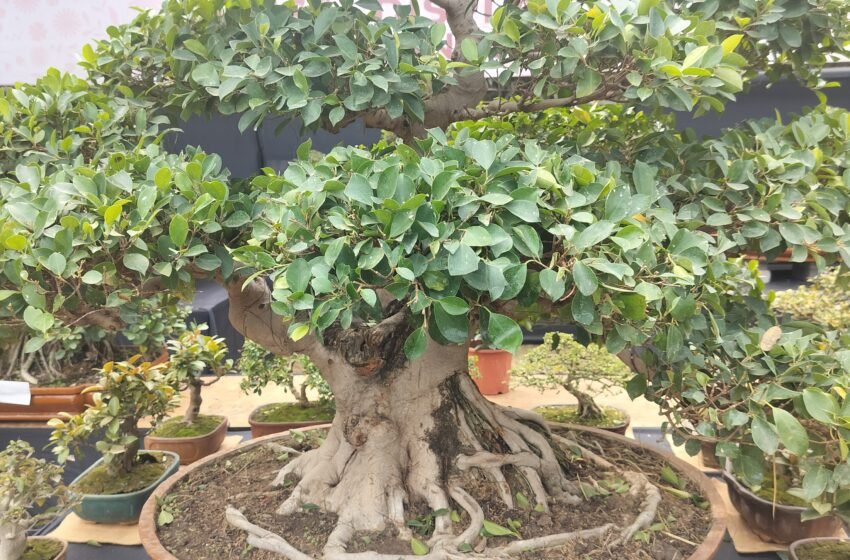
Bonsai As Living Sculpture: An Emerging Tourism Product World Wide
Bonsai cultivation marries horticultural science and artistic design. It uses techniques like shallow potting, root and branch pruning, and wiring to keep ordinary trees miniature. Success relies on proper soil mixtures, careful watering, and matching the tree to its required climate.
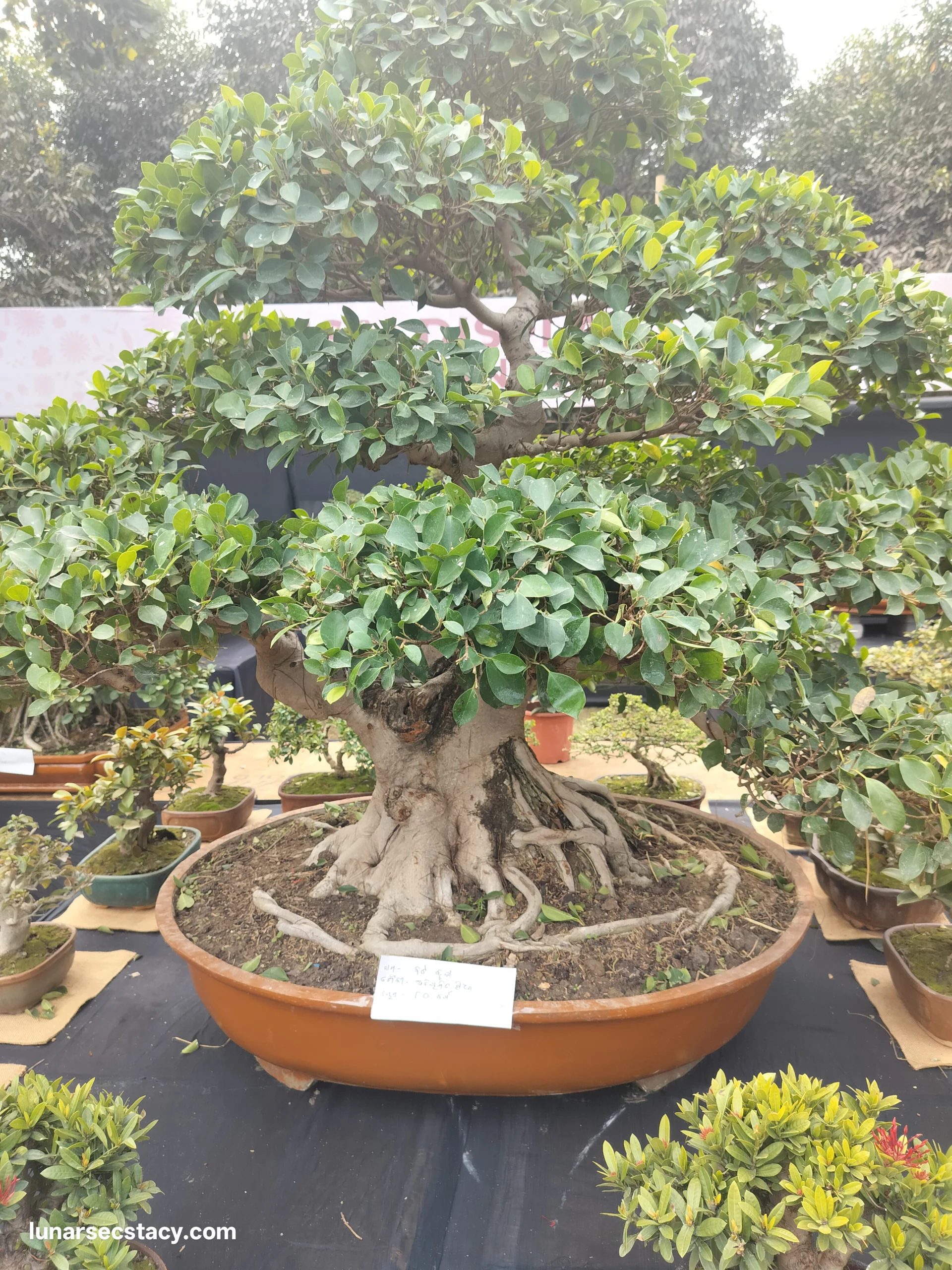
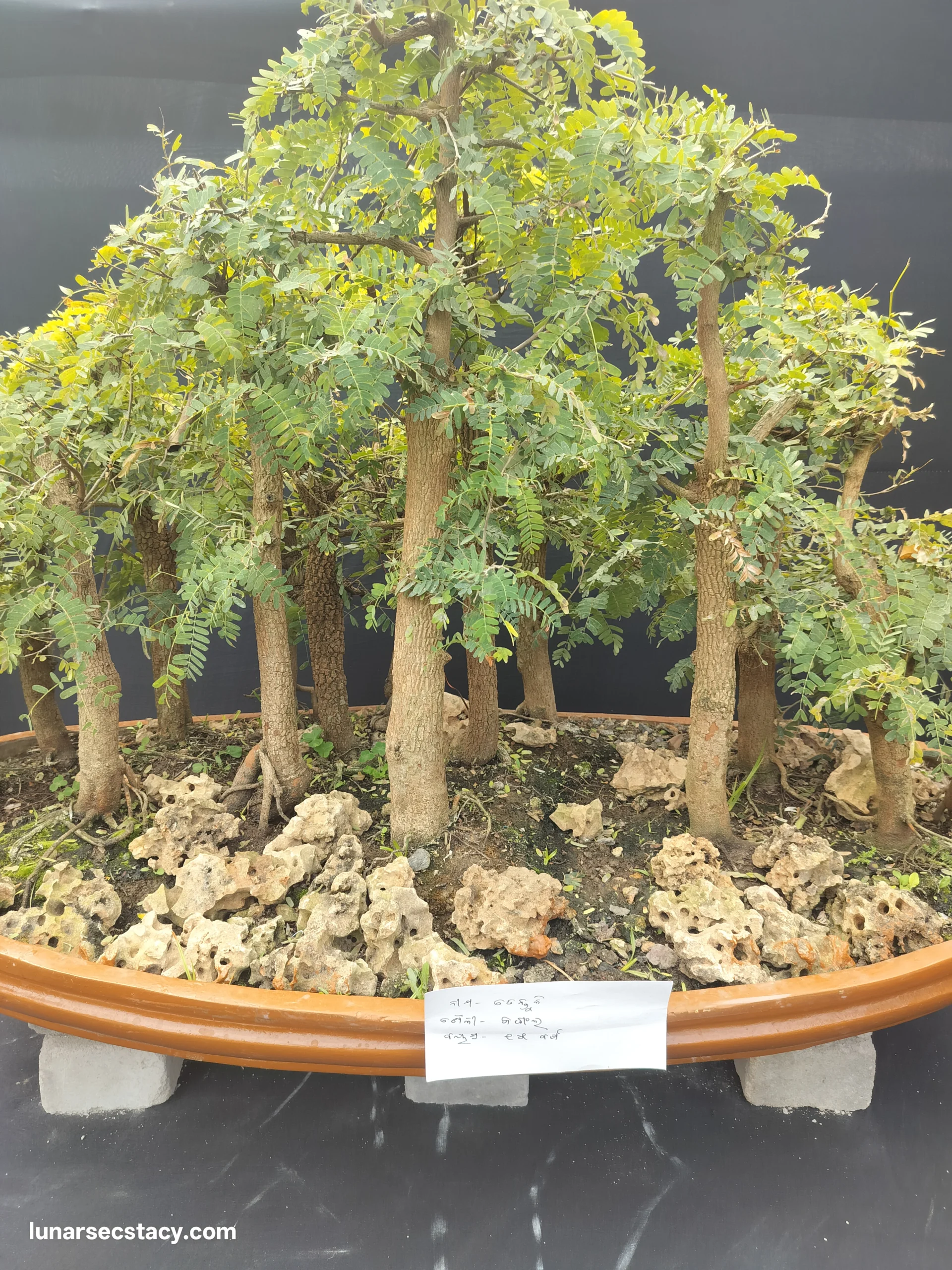
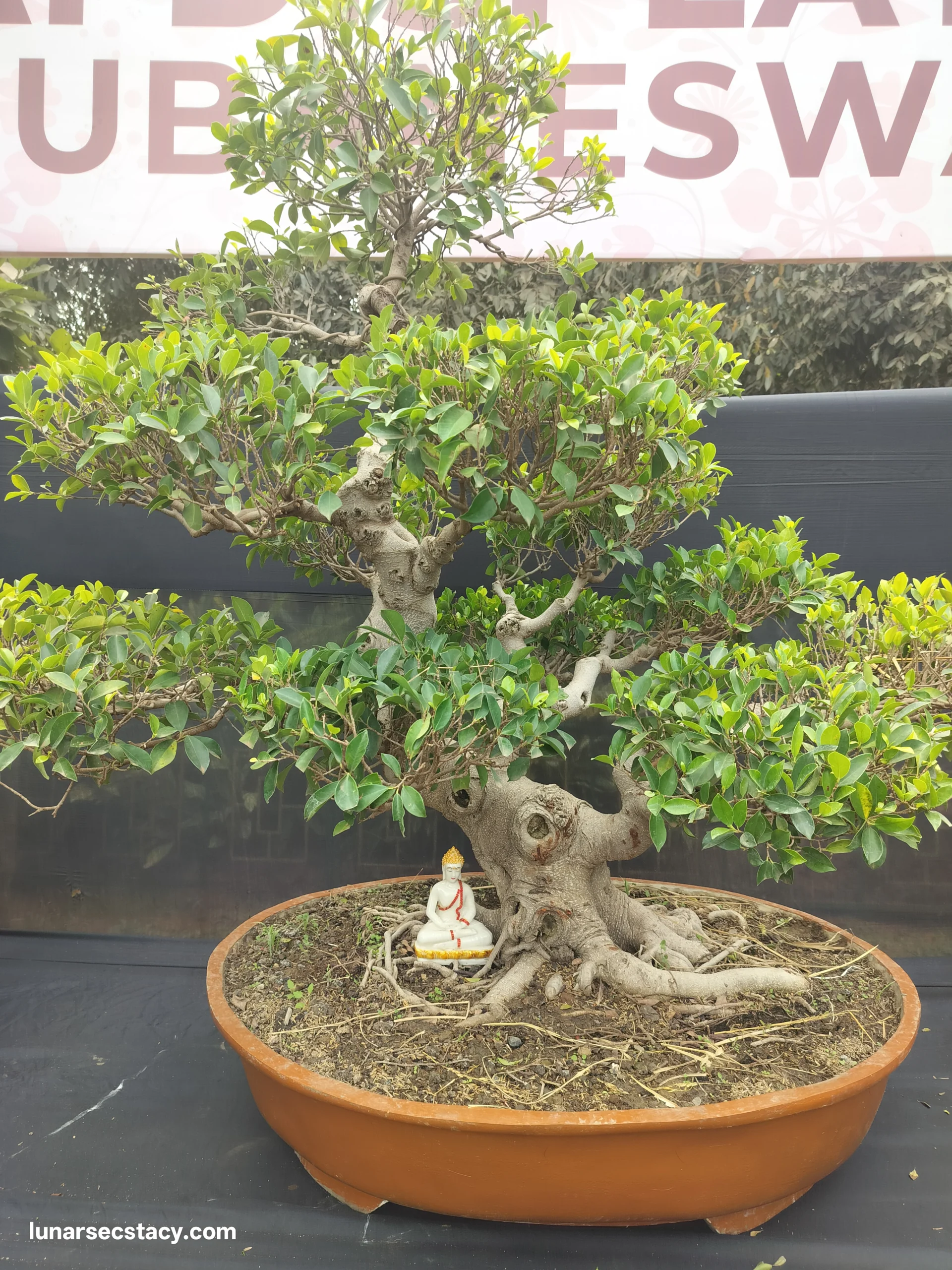
The tourism product is composite in nature and includes everything that the tourists purchase , see ,experience and feel from the time they leave home until the time they return . The tourism product also involves experiences and expectations which are not directly purchased but which nevertheless still form part of the overall package. Thus the bonsai collection does have the potential to emerge as one of the most sought-after tourism products ( a fine blend of both natural and man-made tourism products) being looked for by the tourist community in different destinations.
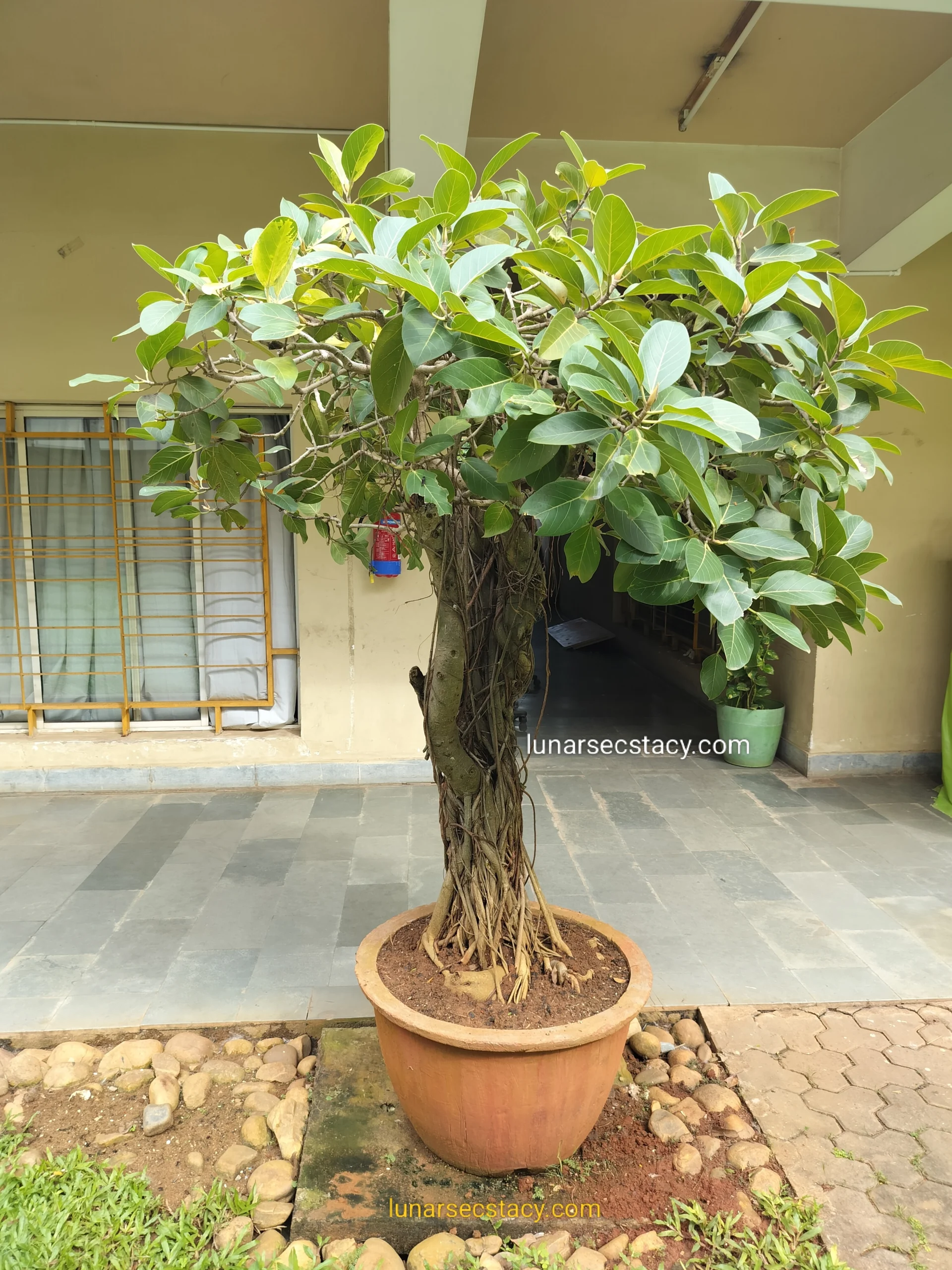
Bonsai as a tourism product creates high-value, niche cultural and botanical experiences. Tourists engage in guided nursery visits, hands-on masterclasses, and museum exhibitions. Destinations drive eco-tourism by combining these living art forms with regional heritage tours and seasonal nature festivals.
There are several museums and botanical gardens entirely or heavily devoted to the art and collection of bonsai plants across the world.
While there are no specialized bonsai museums right inside Bhubaneswar, you can explore excellent bonsai collections locally and internationally:
1. Local & Regional Bonsai Collections (Near Bhubaneswar)
- State Botanical Garden (Nandankanan): Located in Jujhagada (about a 35-minute drive from Bharatpur), it features a dedicated Bonsai Garden
- Regional Museum of Natural History: Located in Acharya Vihar, Bhubaneswar, this museum also features botanical exhibits and is a great resource for plant enthusiasts.
- You can go through the following link of my YouTube channel to have a glance at the bonsai display in the recently concluded annual flower exhibition in the premises of the Regional Plants Resource Centre, held every year in the month of January. https://youtu.be/-XZTCOY7wjI?si=cHyamqzRNsm3gGBW
https://youtu.be/zjs0v_IcRhw?si=SyryRFJrb87joatV
2. Major Bonsai Museums in India
- Kishkindha Moolika Bonsai Garden: Located at the Avadhoota Datta Peetham in Mysuru, Karnataka. It is one of the most famous bonsai museums in India, featuring hundreds of distinct species, rare medicinal herbs, and a specialized bonsai museum block.
- Indian National Bonsai Collection: Located in the historic Lodhi Gardens in New Delhi, this is the country’s most prominent public bonsai display.
3. Some International Museums Devoted To Bonsai Collection:
- Omiya Bonsai Art Museum(Saitama, Japan) is Known as the world’s first public bonsai museum. It displays over 70 masterpieces, some of which are over 1,000 years old.
- Crespi Bonsai Museum (Parabiago, Italy): Home to one of the most impressive private bonsai collections outside of Japan.
- Pacific Bonsai Museum (Federal Way, Washington, USA): Dedicated strictly to the exhibition and education of the art of bonsai.
- Shunkaen Bonsai Museum (Tokyo, Japan): Established by master Kunio Kobayashi, it is a highly revered collection of traditional and ancient trees.
- Towns like Baihua Village in Zhangzhou ( China) are renowned for multi-generational penjing (the precursor to bonsai) and function as living-museum ( or open air museums) villages that draw enthusiasts.
Developing bonsai as a multifaceted tourism product involves several distinct experiences. Here I would like to suggest few ways so as to develop tourism experiences revolving around bonsai cultivation.
Specialized Museum & Nursery Tours: Create guided tours of dedicated bonsai museums where visitors can view centuries-old specimens and learn about the history of miniature tree culture.
Hands-on Masterclasses: Offer interactive workshops where tourists learn basic wiring, pruning, and styling techniques. Visitors can create and take home their own miniature living sculptures.
Bonsai & Wellness Retreats: Leverage the meditative and stress-relieving aspects of bonsai to offer wellness packages. Combine slow-paced bonsai potting with yoga, meditation, and nature therapy.
Agri-Tourism Trails: Partner with local nurseries to establish scenic bonsai trails. This allows tourists to explore diverse botanical varieties suited to local climates and purchase plants or specialized tools.
Keeping in view the rising interest of people in bonsai cultivation, that day is not far off when bonsai will be termed as one of the most sought after tourism products particularly for nature lovers.
Dr Manoj Mishra lunarsecstasy@gmail.com
