
The Little Known Frightening Bhairava Cult Of Odisha
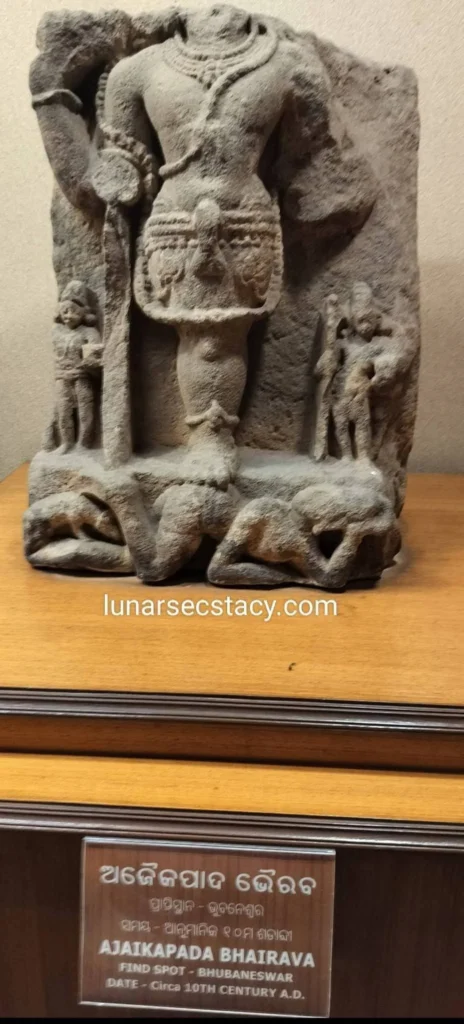
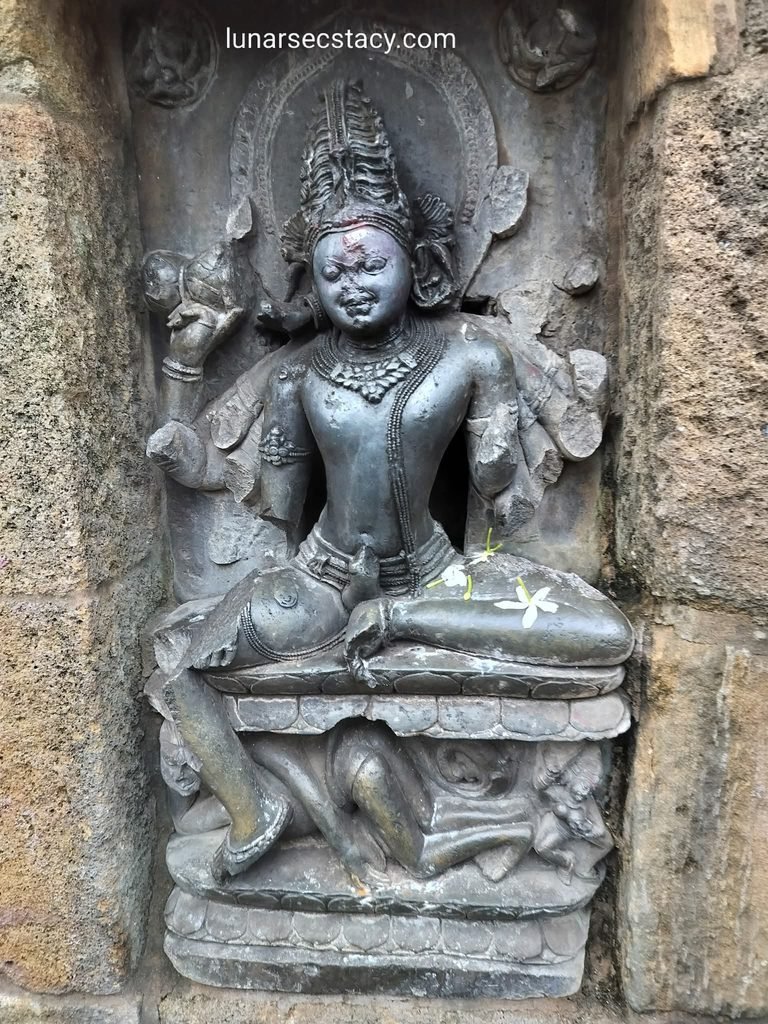
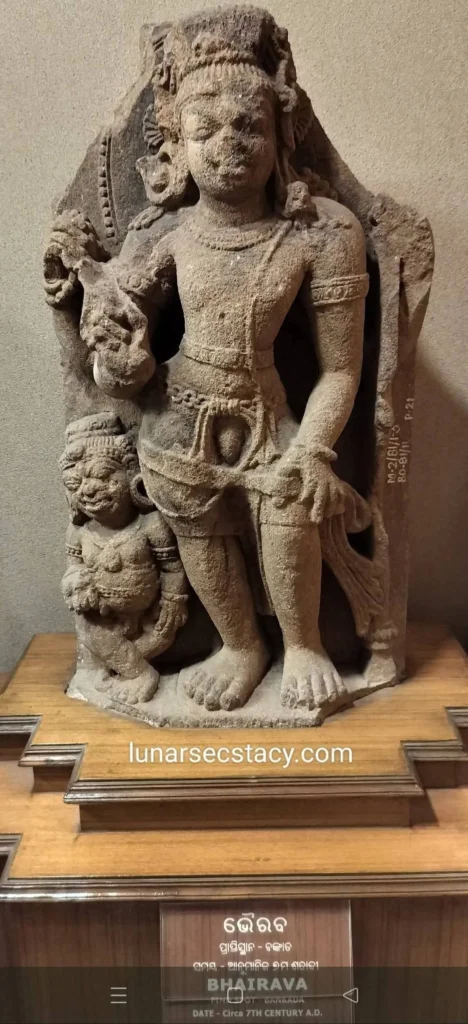
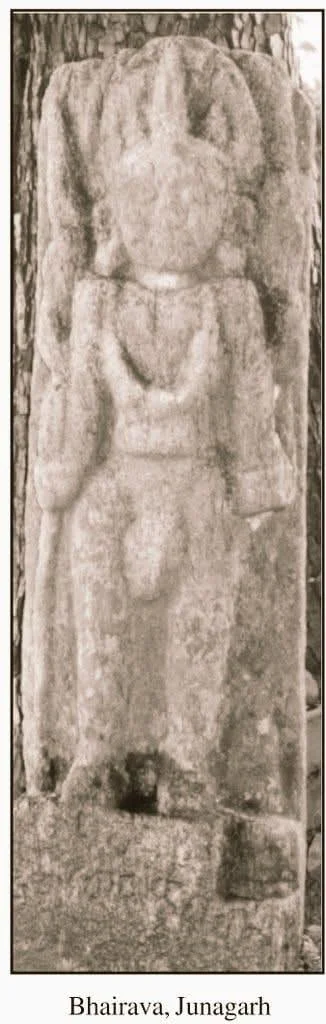
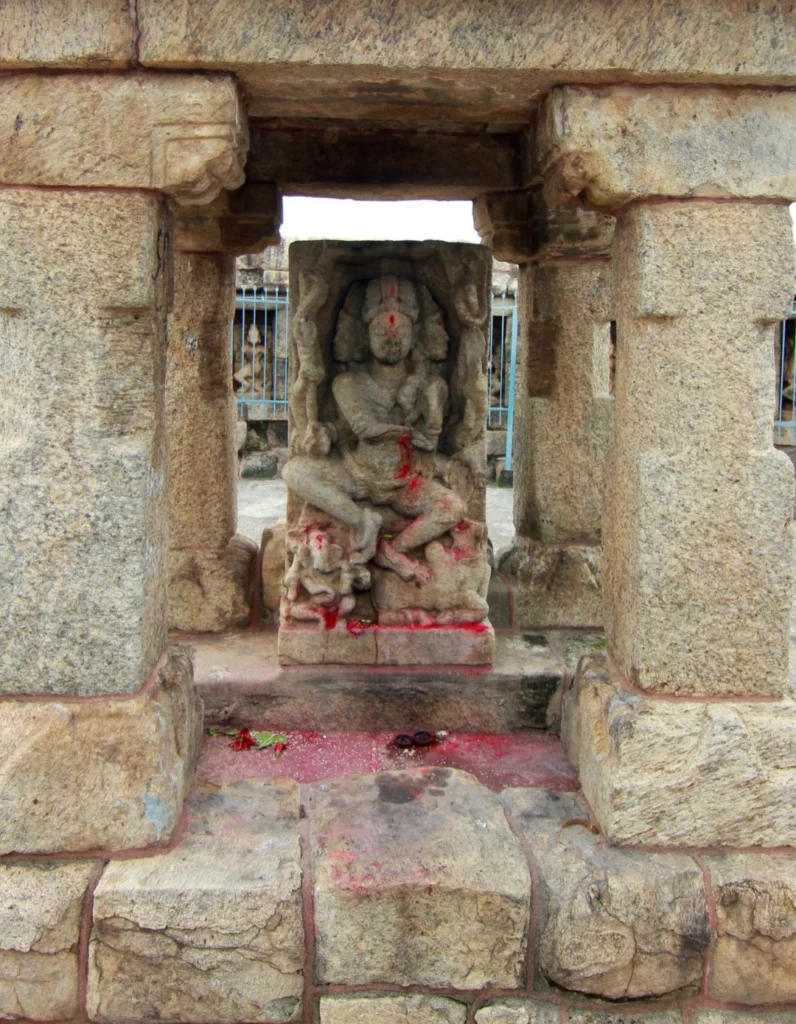
The Bhairava cult—centered on the fierce, protective, and destructive manifestation of Lord Shiva—has deep historical, tribal, and tantric roots in Odisha. Bhairava is one of the terrific forms of Shiva . He is the protector of the universe. He is also known as Kalabhairava . He swallows the sins of His devotees. From atleast Ist century AD , the Bhairava cult was one of the prominent cults of Odisha. Therefore this Bhairava cult is very popular in Odisha as well as in different parts of India particularly in Benaras and Ujjain. Bhairava is usually represented in flabby belly and protruded eyeballs wearing a garland of skulls and adorned with snake ornaments. He is also found with several arms holding a variety of weapons. We find a lot of Bhairava images in different parts of Odisha.
https://lunarsecstacy.com/2021/04/08/the-journey-of-fashion-portrayed-in-indias-ancient-art-and-sculptures-over-the-ages/
The Bhairava always has an erect phallus which symbolises that God Shiva has transcended all physical desires and is in a state of perpetual ecstasy and potency . The intense pleasure that the common people experience during ejaculation/orgasm prevails all the time … that is the kind of everlasting ecstasy. In modern science terminology, dopamine and oxytocin are in abundance.
Origins and Evolution
- Early Roots: Inscriptions and archaeological findings in Western Odisha (such as the upper Mahanadi valley and Kalahandi district) show evidence of Bhairava worship dating back to the early centuries CE, linked with early tribal traditions.
- Tantric and Pāśupata Influence: The cult flourished significantly during the medieval period (8th to 12th centuries CE) under various regional dynasties like the Bhanjas and Somavamshis, closely tied to Pāśupata, Kālāmukha, and Kāpālika Shaivism.
- Yogini Connection: Bhairavas frequently appear as guardians and counterparts to the fierce goddesses in Odisha’s ancient Chaitanya/Yogini temple traditions (such as at Hirapur and Ranipur-Jharial).
Distinct Regional Manifestations
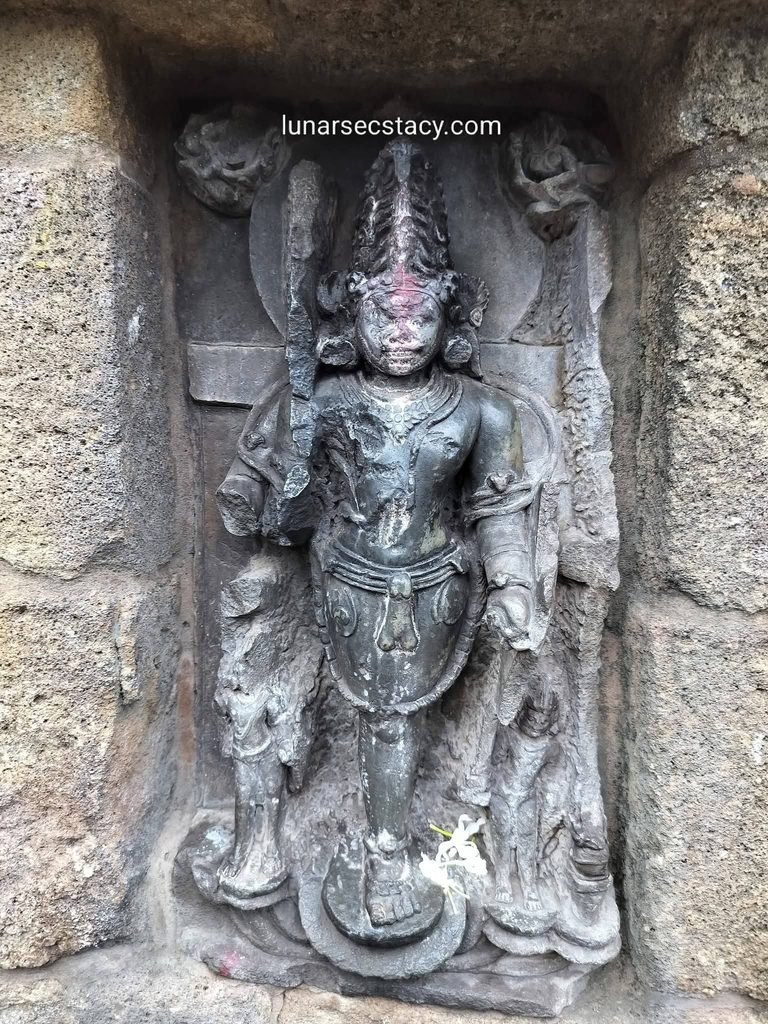
- Ekapāda Bhairava: A unique, single-footed iconographical form symbolizing a synthesis of yoga-tantra practices and local pillar cults. Sculptures of Ekapāda Bhairava are notably found across Bhubaneswar and ancient temple ruins in coastal and central Odisha.
- Other Forms: Manifestations like Batuka Bhairava, Ugra Bhairava, and Mārtānda Bhairava (representing a fusion of Shiva and solar worship) have been uncovered across various Odia historical sites.
- Syncretism with Jagannath: Some historians and scholars draw iconographical and ritualistic parallels between ancient fierce deities, Shaivite/Tantric traditions, and the evolution of Lord Jagannath in Puri as a supreme synthetic deity.
Details of iconography of Ekapada Bhairava
The iconography of Ekapada Bhairava (ଏକ ପାଦ ଭୈରବ, the one-footed manifestation of Lord Shiva) in Odisha represents an intense, terrifying (ରୌଦ୍ର, raudra) fusion of Vedic origins, local pillar cults, and esoteric Tantra Sadhana.
Unlike South Indian depictions where Brahma and Vishnu are often seen emerging from Shiva’s waist (Ekapada Trimurti), the Odia style focuses purely on the independent, wrathful form of Bhairava as the supreme cosmic pillar.
Core Anatomy & Facial Features
- The Single Leg (Ekapada): He stands rigidly on a single, straight, pillar-like leg. This foot is firmly planted over a pedestal or, in later centuries, stomping upon a Sava (corpse or dead body).
Another Vedic God is Aja ekapada (ଅଜ୍ୟେକପାଦ) which means “unborn one footed God”. This Ekapada Bhairava is often linked with that Vedic God and referred as Ajaekapada Bhairava.For practitioners of Tantra, meditating upon this posture of absolute vertical stability on one foot while surrounded by fearsome attributes was meant to induce a deep state of inner stillness, crushing the practitioner’s ego and ignorance
- Wrathful Visage: His face is a depiction of terrifying power, featuring bulging eyes, an open mouth showing fierce side fangs, a short textured beard, and a stylized curled mustache is also seen in some particular sculptures.His hair is arranged in matted locks (jata or ଜଟା ) often adorned with a crescent moon.
- Urdhva-Linga ( ଉର୍ଦ୍ଧ୍ବ ଲିଙ୍ଗ) : He is consistently depicted as ithyphallic (with an erect phallus), symbolizing perpetual ecstasy and potency , absolute self-control.
- Costume : He typically wears a tiger skin tied around his waist.
Evolutionary Attributes & Weapons
The deity is predominantly four-armed, though a few rare early variations feature only two arms. The weaponry held in his hands shifted across centuries as regional practices evolved:
| Era | Core Weapons & Attributes | Tantric Elements |
| Early Medieval (8th–10th Century CE) | Trishula (trident), Akshamala (rosary bead), Kamandalu (water vessel), and one hand in Varada Mudra (boon-giving gesture). | Heavily tied to early Pāśupata Shaivism; focuses on asceticism and penance. |
| Later Medieval (Post-10th Century CE) | The water vessel and boon gesture are replaced by a Damaru (drum) and a Kapala (skull-cup). | Deeply influenced by Sākta Tantra and blood sacrifice rituals; often depicted wearing a Mundamala (ମୁଣ୍ଡ ମାଳ or garland of human skulls). |
Dr Manoj Mishra , lunarsecstasy@gmail.com

2 Comments
Great and wonderful details about Kala Vairabha
Thank you for your appreciation 😊