Nolias & Their Interesting Community Life and Tourism Potential

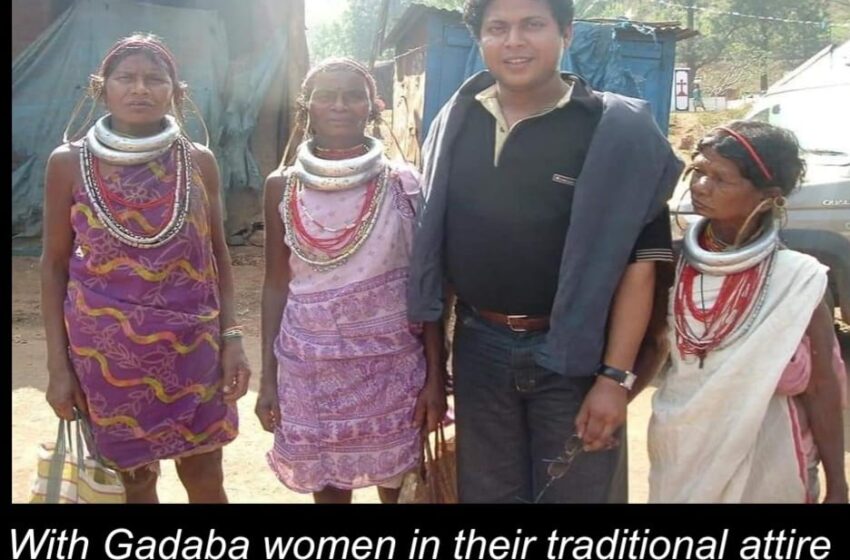
Weekly Tribal Markets : The Best Place To Know Our Tribes”
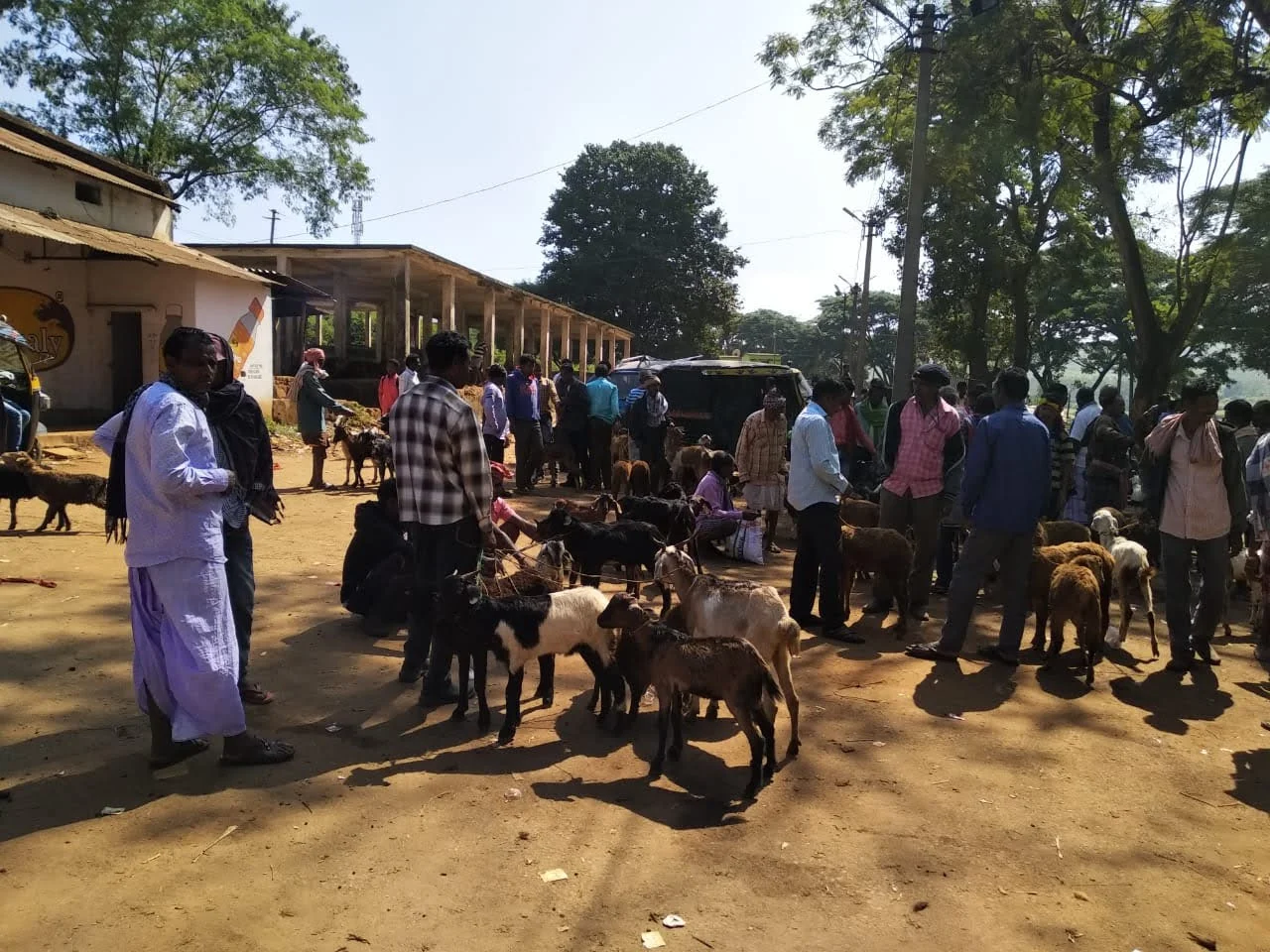
Weekly tribal markets in Odisha (known locally as haats) are vibrant, traditional gatherings where indigenous communities trade forest produce, handicrafts, and livestock. Prominent markets include the bustling Friday market at Kunduli, the Bonda tribe’s Thursday market at Onukudeli, and the Dongaria Kandha’s Wednesday market at Chatikona.
Far beyond mere commerce, these dynamic gatherings serve as social hubs where 62 distinct indigenous communities meet to barter produce, perform rituals, engage in matchmaking, and preserve their centuries-old heritage.
These markets are true fountainheads of tribal identity and culture in several ways:
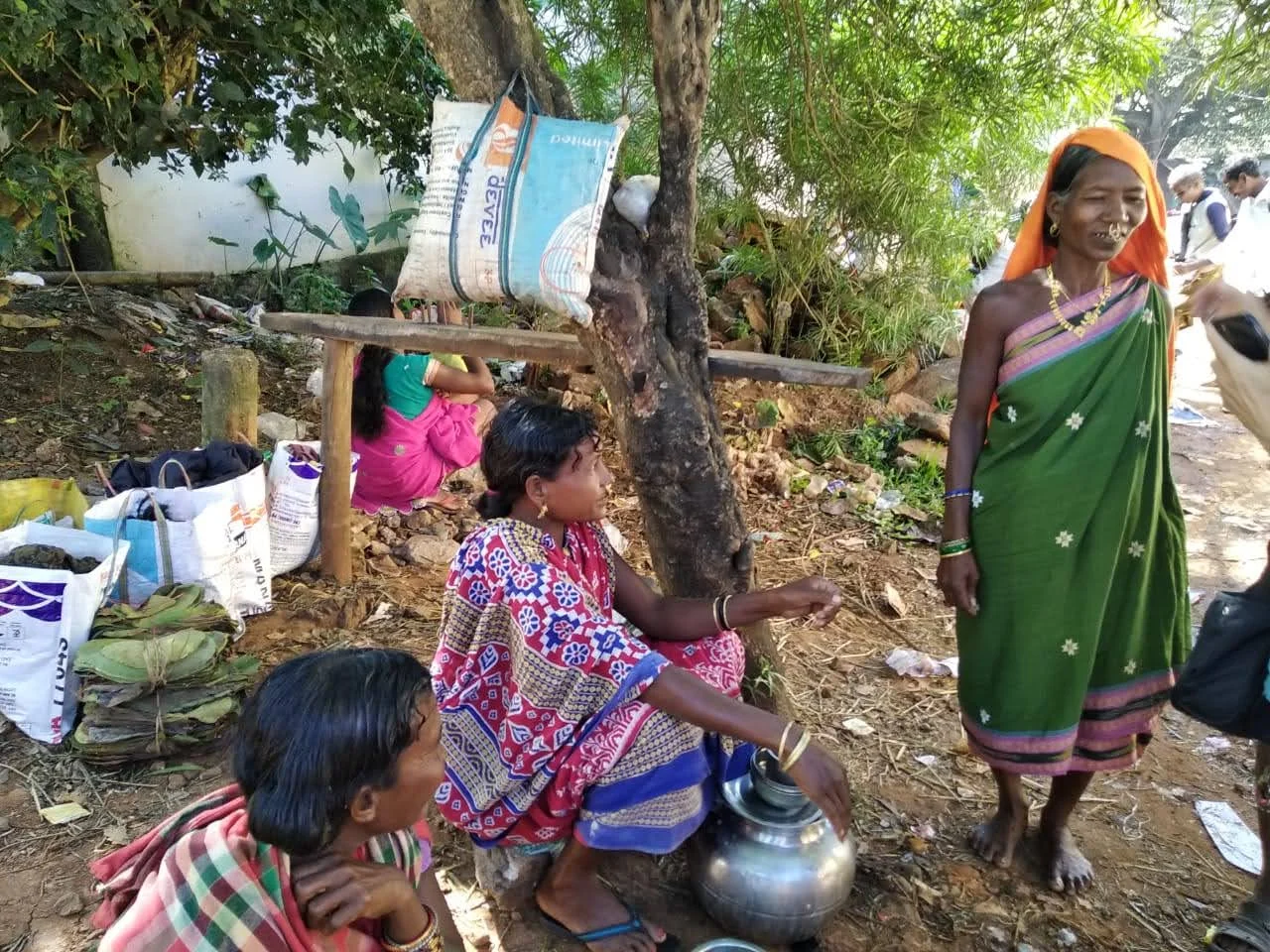
- Cultural Showcase: Museums have gone beyond walls …I mean to say that today’s people are less inclined to see the dead culture well portrayed in museums bounded by four walls under a roof . People are getting more fascinated by the open air museums…. and very truthfully these tribal villages are open air living museums. They act as living museums where distinct tribes—like the colorful Bondas, Dongaria Kondh, and Parajas—proudly display their unique traditional attire, shaved heads, heavy silver jewellery, and facial tattoos ( Kutia Kandhas) .
- Social & Matrimonial Hub: The haats ( weekly tribal markets) are vital for community networking. They provide a space to exchange village news, resolve disputes, and host matchmaking and courtship rituals among the youth.
- Economic Lifeline & Barter: Tribes trade organically grown forest produce (like turmeric, wild honey, and roots), handwoven textiles, and traditional tools. Some remote communities still utilize traditional barter systems here.
- Spiritual Connections: Market days often coincide with or precede community festivals and ritual dances that honor nature and the harvest.
Major Tribal Markets by Day
# Monday – Kakiriguma:
A rural gathering primarily frequented by the Mali, Paroja, and Desia Kondh communities. This tribal market sits on every monday near the Kakiriguma railway station and the pottery village of Goudaguda. Villagers sell and trade organic forest produce (like turmeric, wild honey etc), handwoven textiles, colorful sarees, and handmade pottery etc.
#Tuesday – Dukum & Kotpad
A lesser-known but highly authentic market for the Desia Kandha and occasionally Gadaba and Mali tribes. This Dukum haat sits on every Tuesday near Bisamkatak in the Rayagada district of Odisha. People often get confused in between the location of Dukum haat and chatikona haat. The Chatikona haat sits adjacent to the Bisamkatak railway station where as Dukum is little away from the town. It primarily serves the Desia Kandha people who gather to trade forest produce, vegetables, and traditional goods. The travellers can visit the Jhigidi village ( located very nearby the Dukum) which is famous for its traditional Dhokra (metal casting) crafts and tribal jewellery making.
Kotpad Market also sits on tuesday, which is famous for its natural, vegetable-dyed textiles crafted by the weavers of the tribe.
# Wednesday – Chatikona:
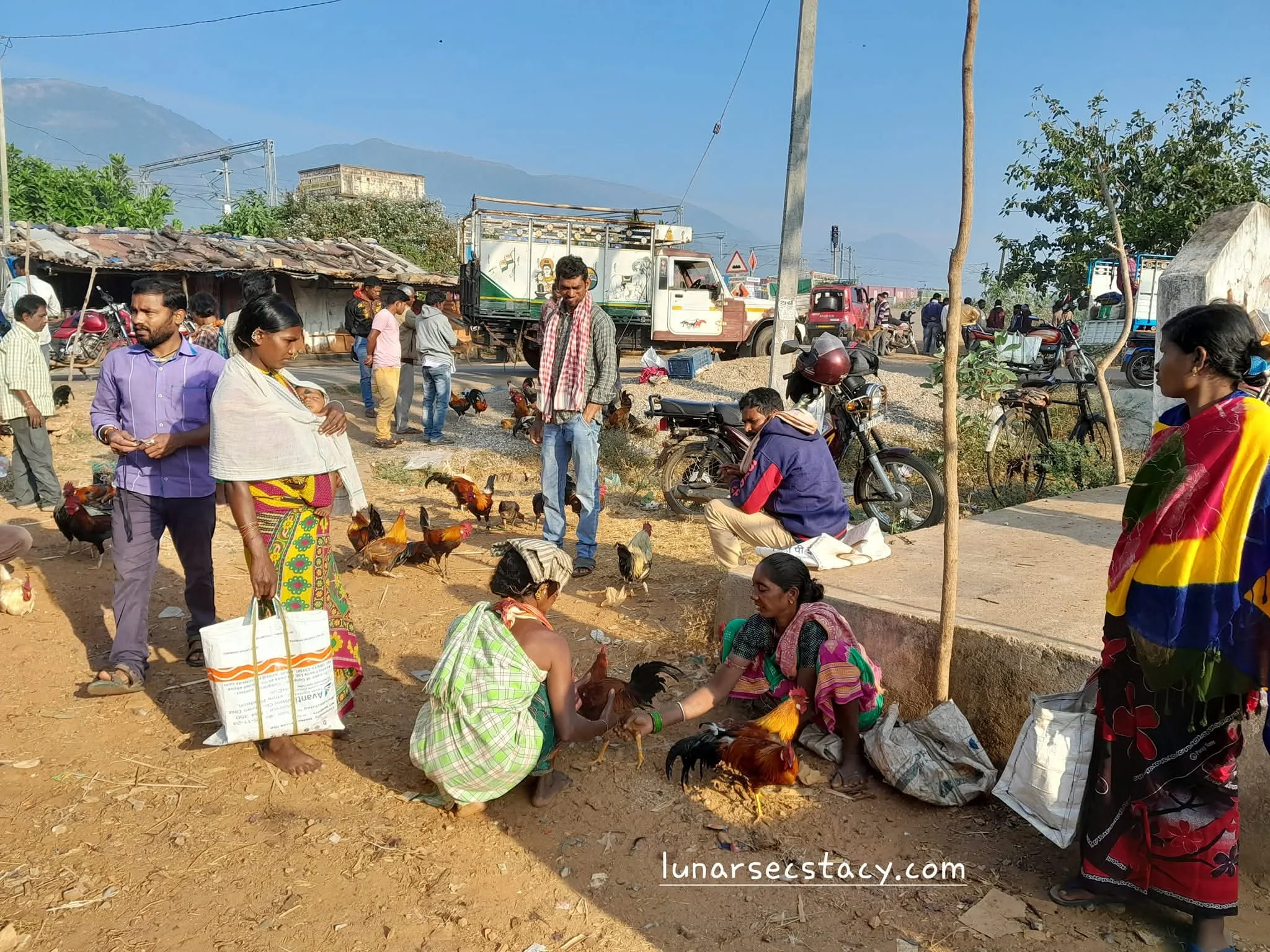
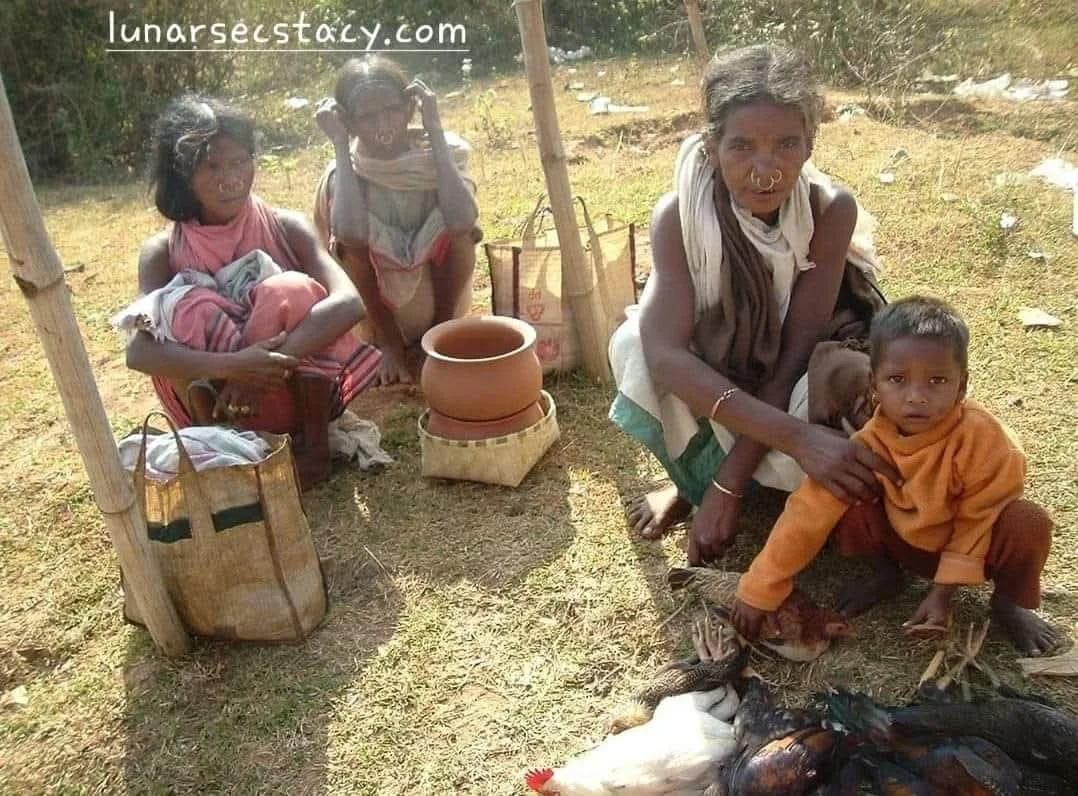
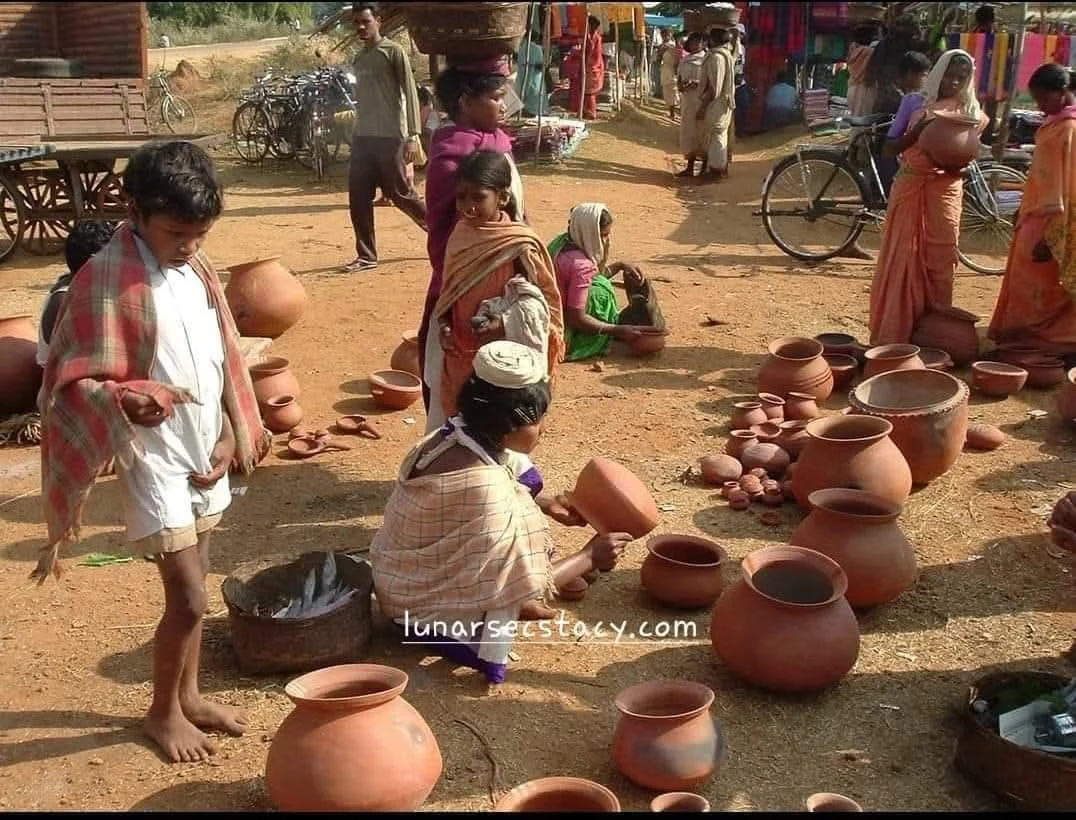
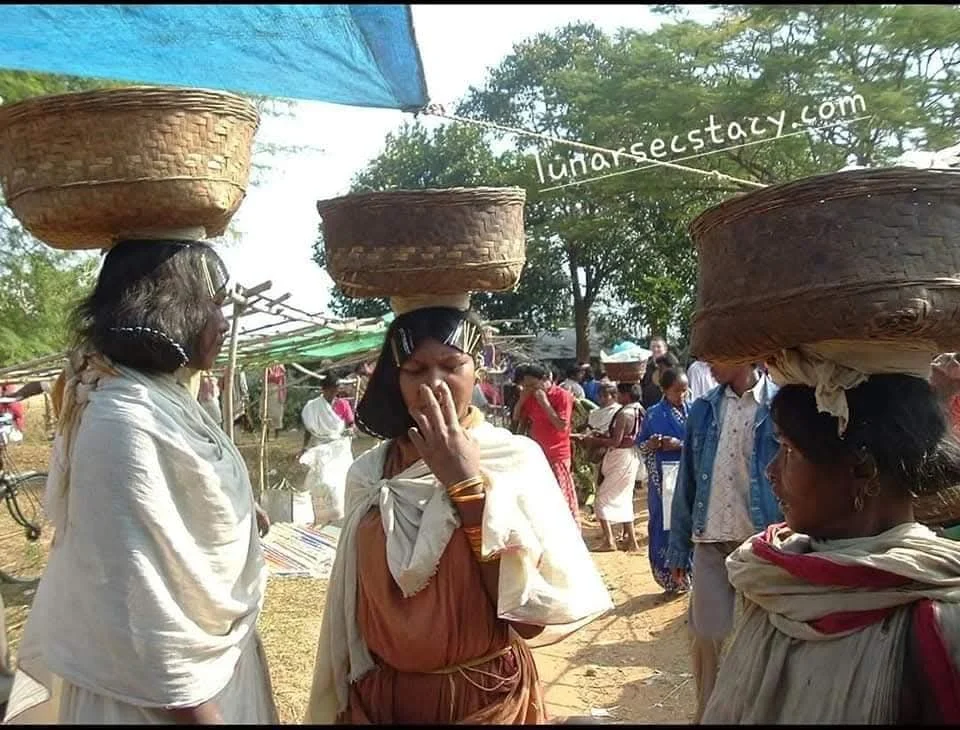
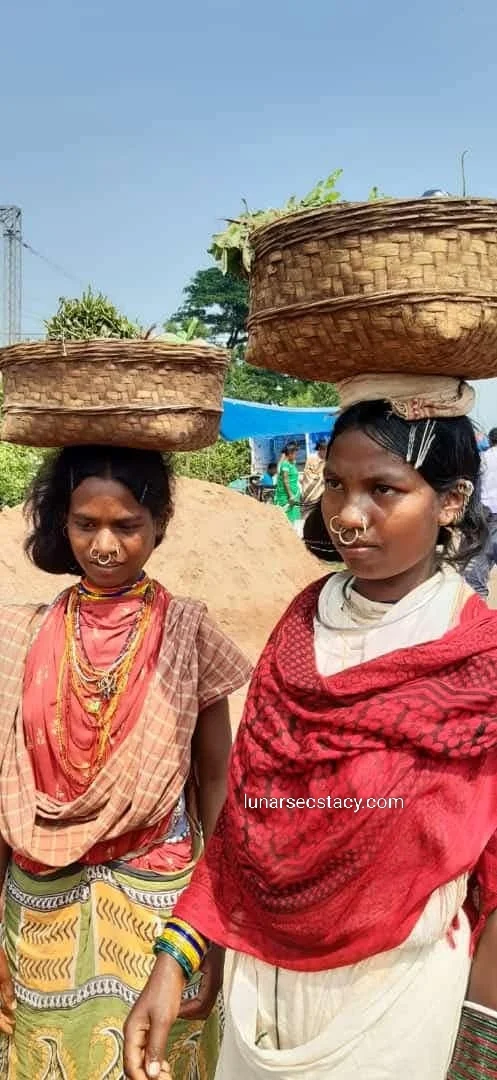
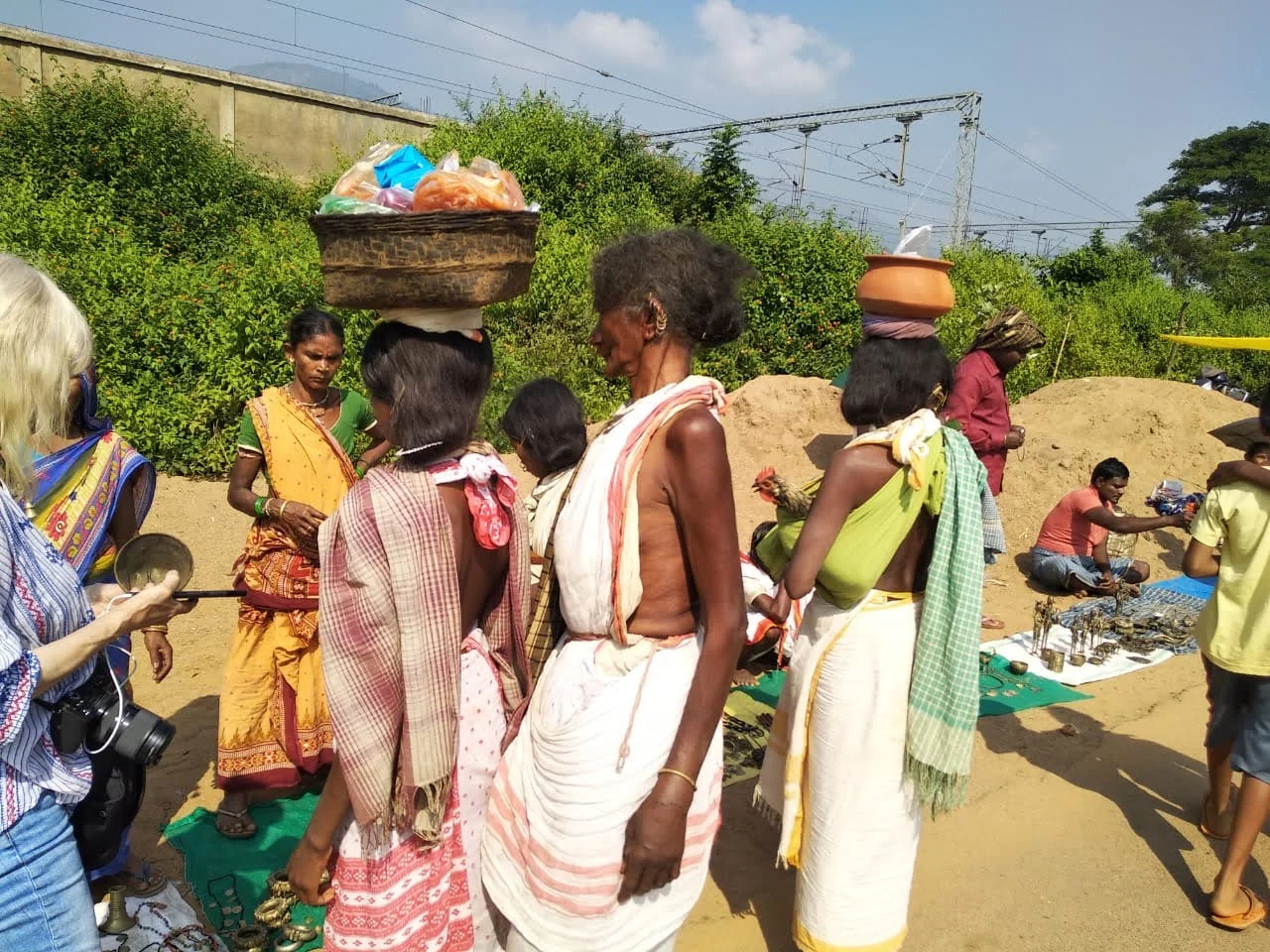
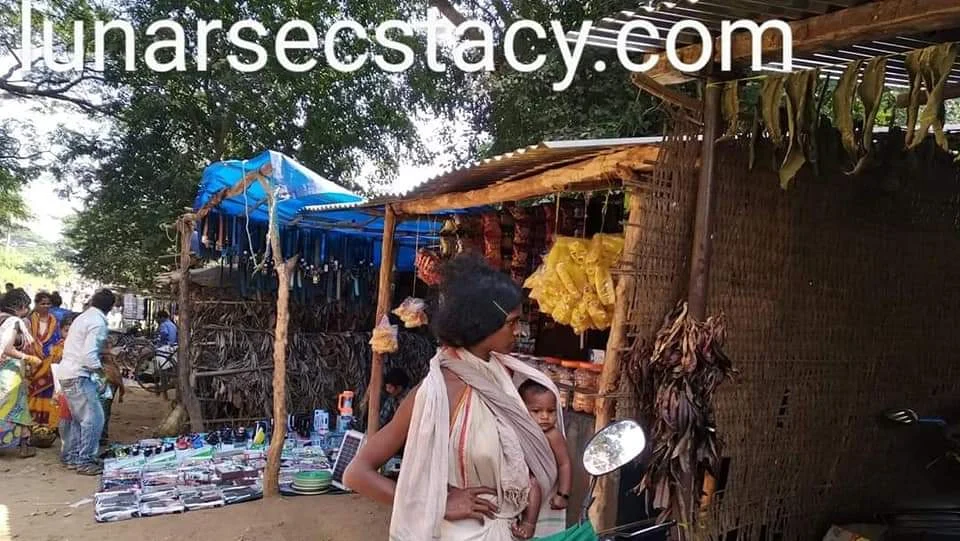
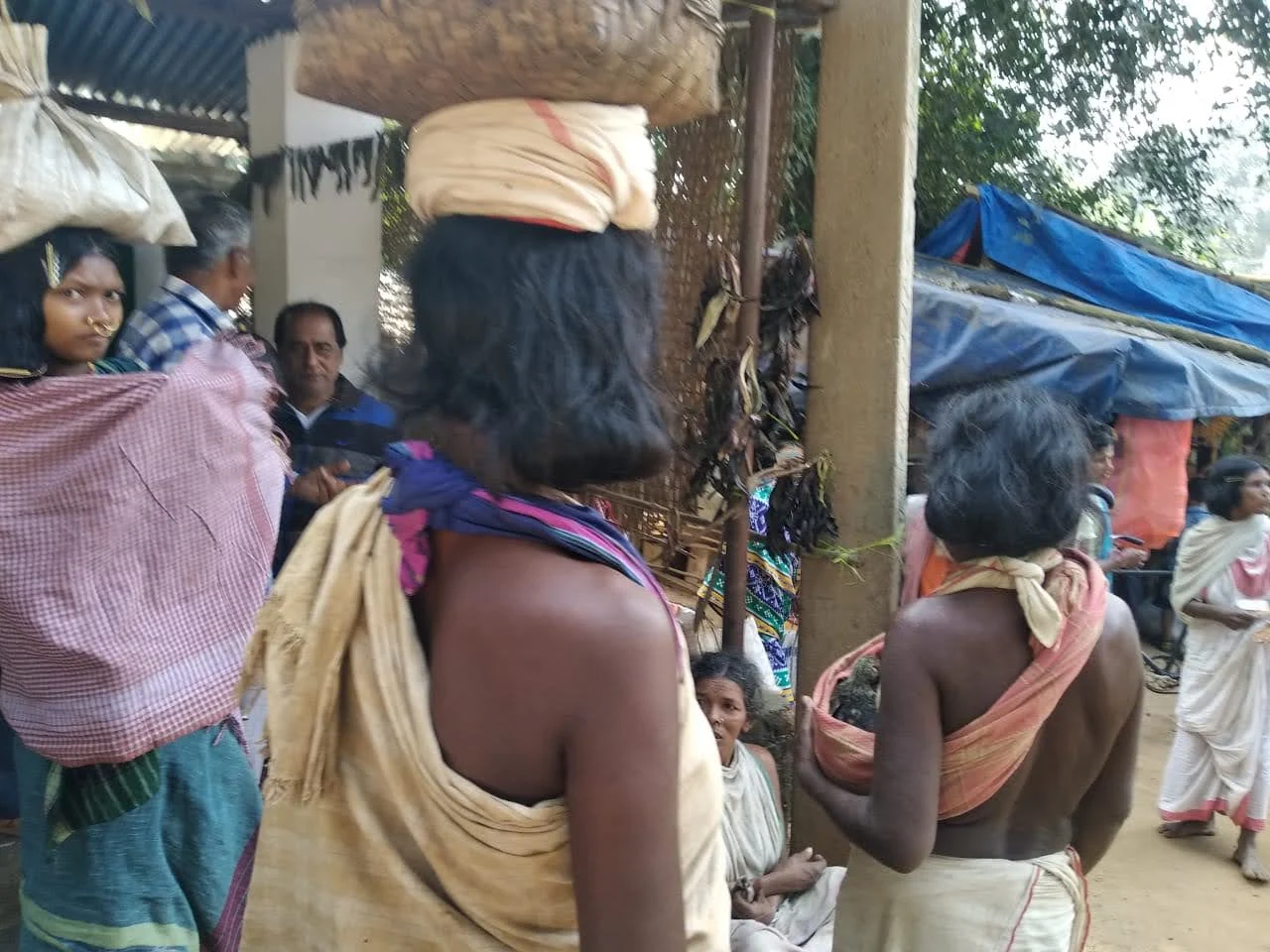
Located near Bisamkatak railway station in the Rayagada district( about 45 kms from the Rayagada town), this is a hub for the primitive Dongaria kandha tribe, famous for their distinctive hand-woven shawls( Kapadaganda), bamboo baskets, terracotta products , and hill produce( particularly Queen pineapple).
To know more about Dongarias, you may go through the following article..
Never Miss Dongarias : Most Vulnerable Tribe of Niyamgiri Hills
# Thursday – Onukudeli:
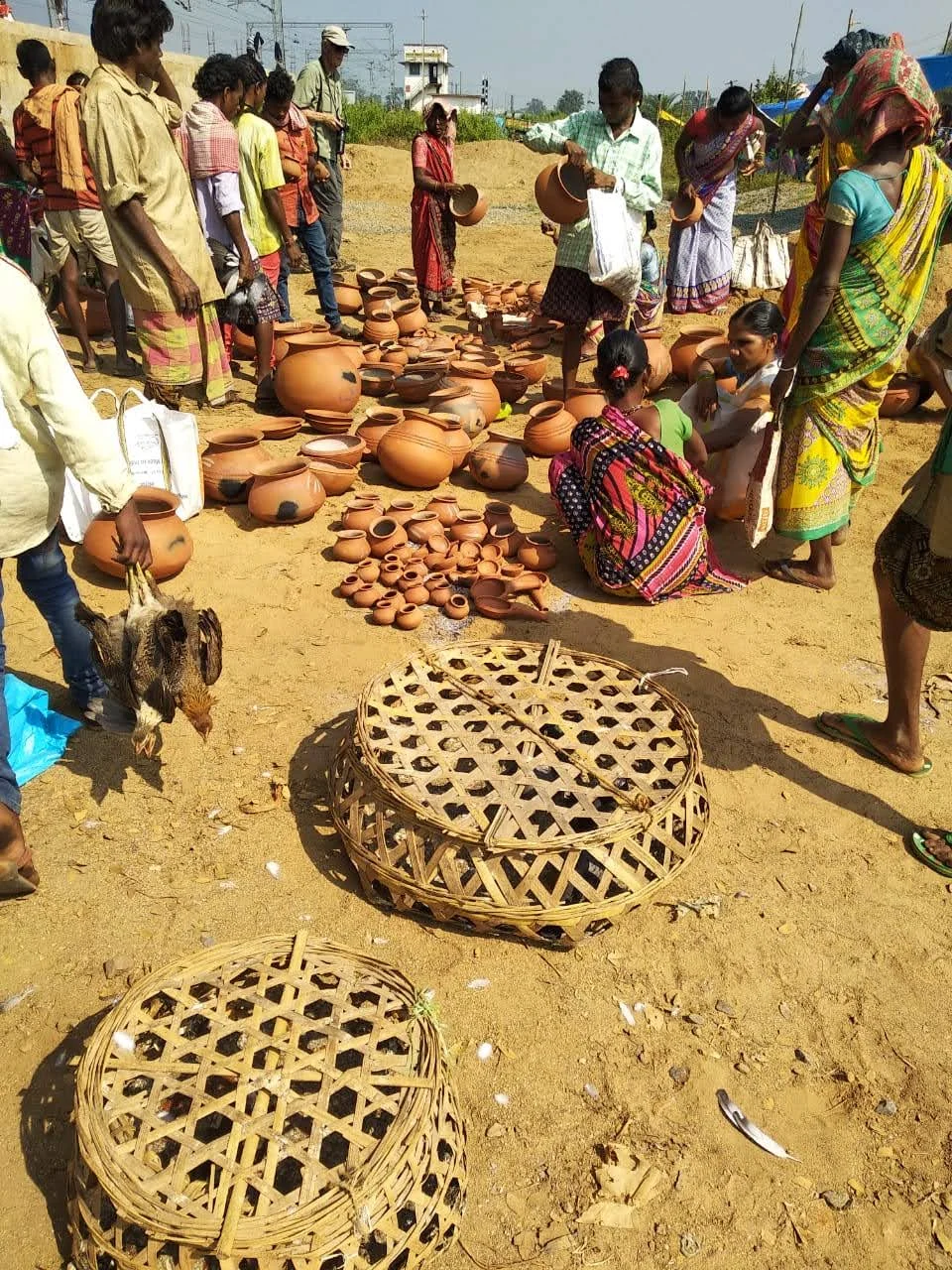
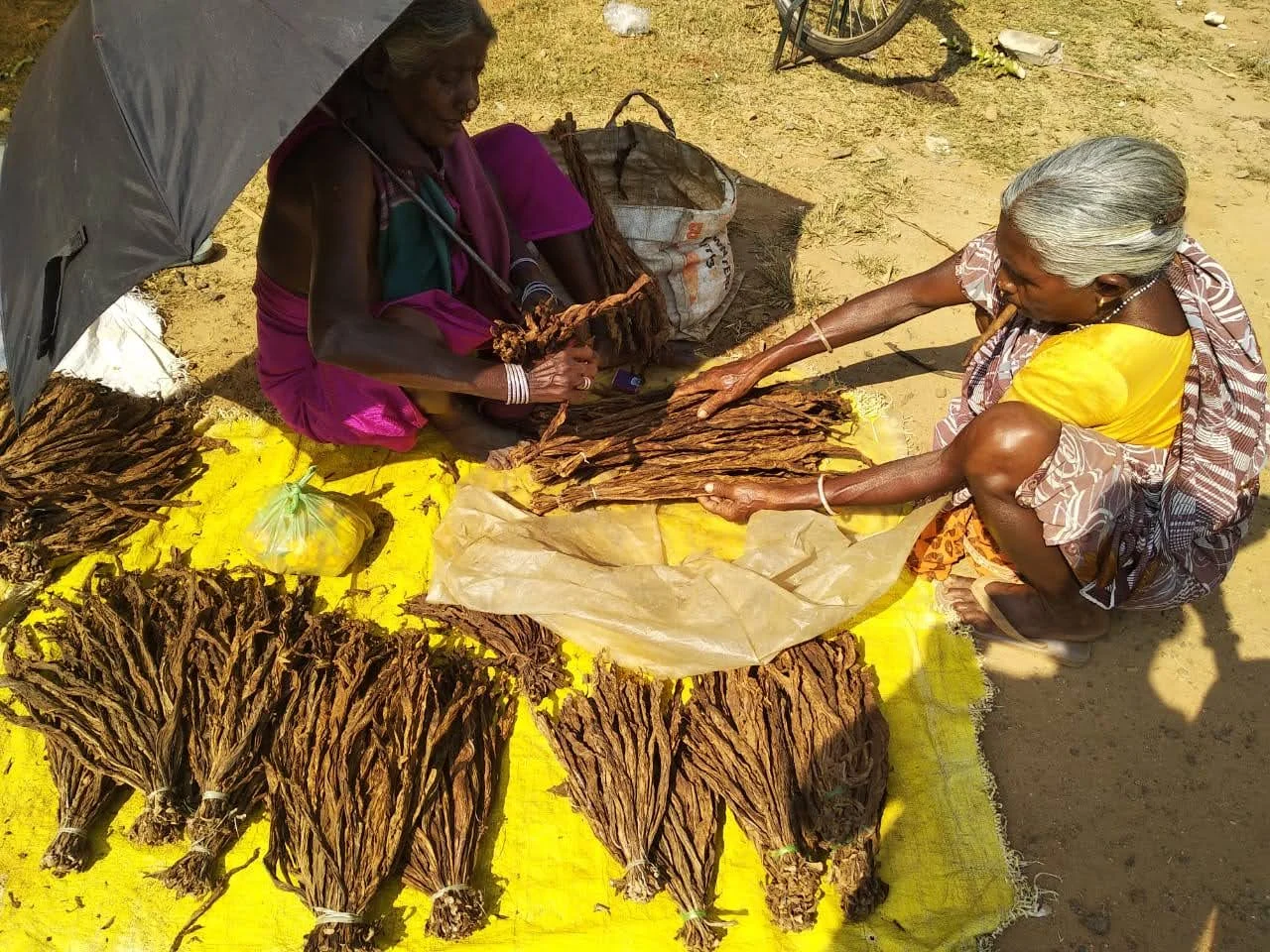
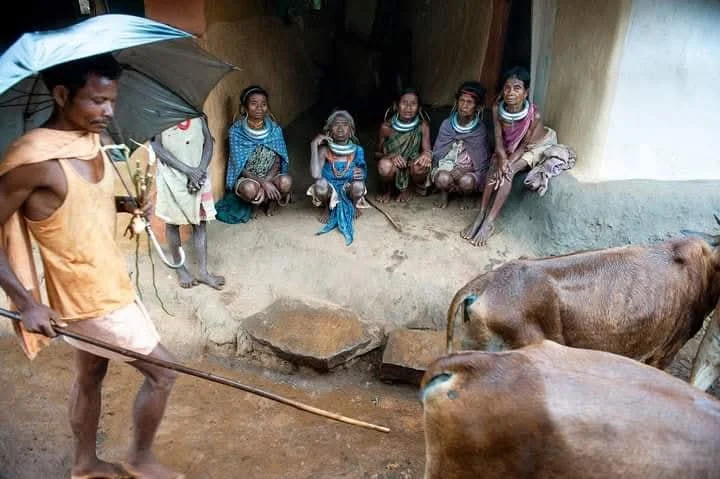
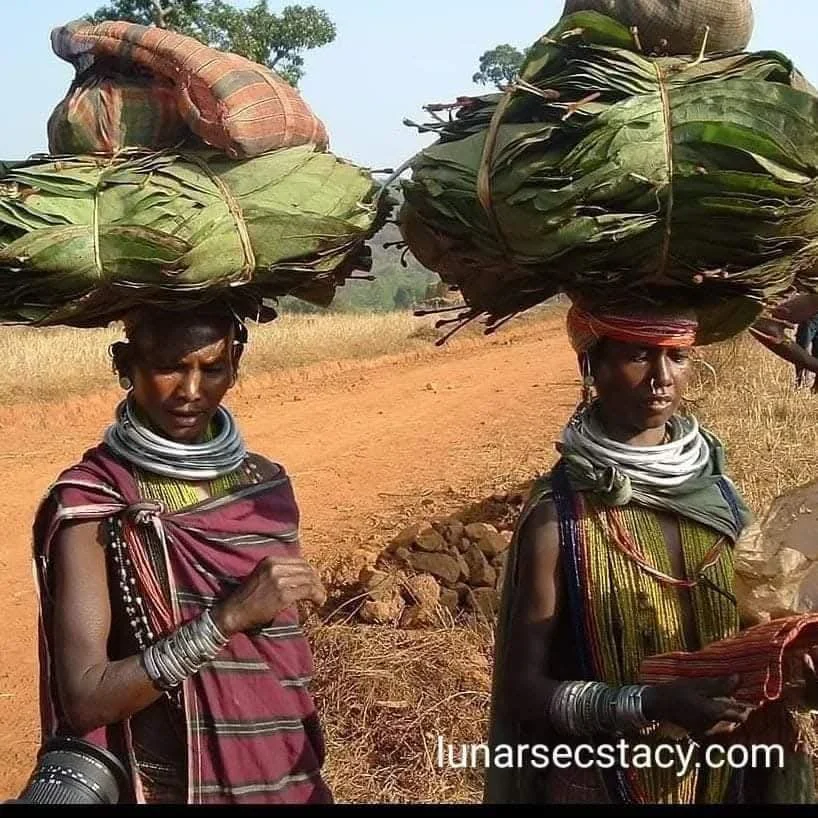
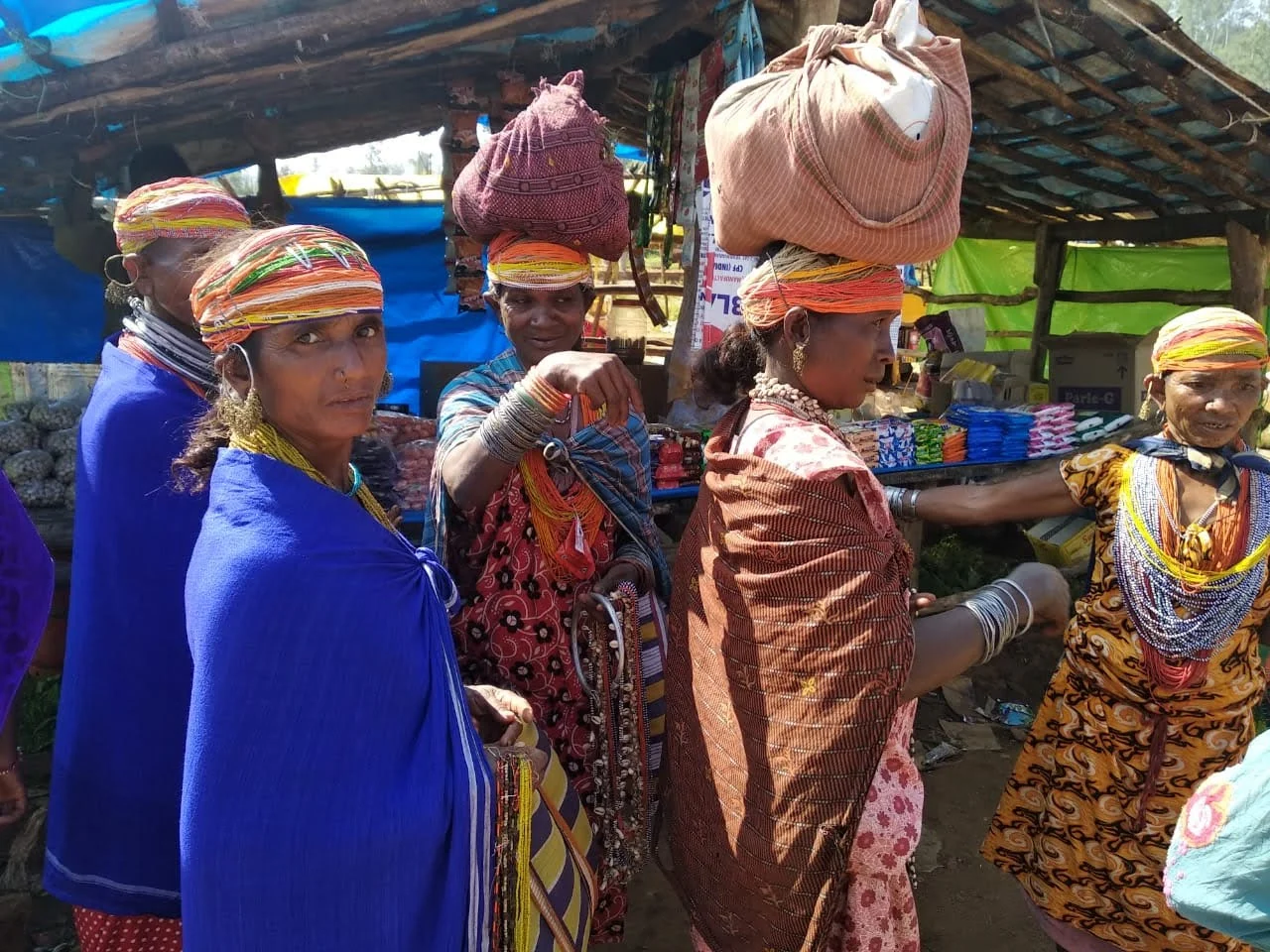
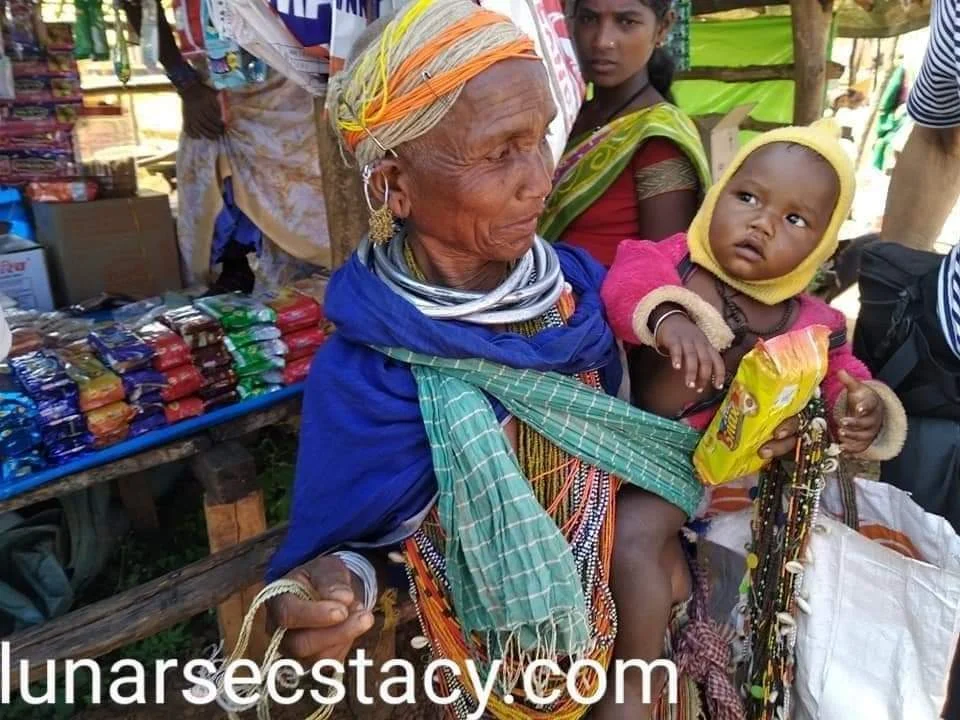
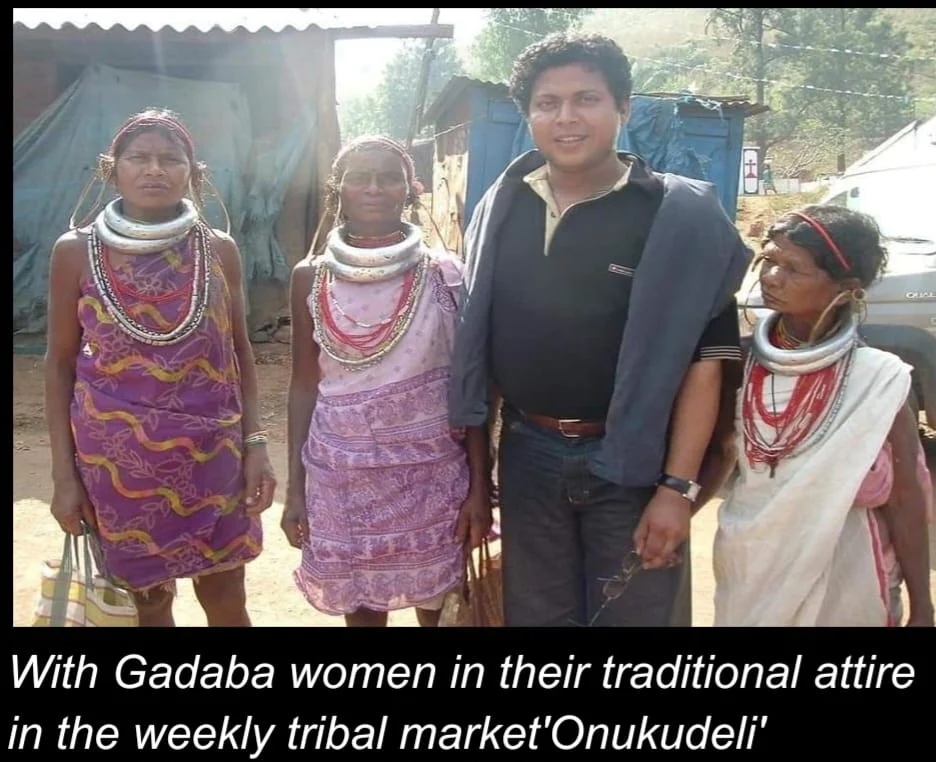
Located at the tri-junction of Odisha, Andhra Pradesh, and Chhattisgarh, this is the most famous market for the fascinating and reclusive Bonda tribes, known for their shaved heads, elaborate bead necklaces, and heavy silver jewellery. This unique tribal market sits on every thursday and is located around 60 kms from Jeypore town and 80 kms from Similiguda town. The nearest airport is Vizag ( Visakhapatnam) 180kms away and the state capital, Bhubaneswar is around 570kms away. The Machkund hydroelectric project is very nearby. The travellers can see the Bonda women and Gadaba women in plenty here in this weekly tribal market , Onukudeli. Variety of things are found here being sold like tamarind, hill brooms, mohua flower and seeds, locally available mushroom, onions, bamboo baskets, sal leaf plates, country chicken , tobacco leaves, rice, millet, honey, sal tree resin ( locally known as jhuna)
etc.
# Friday – Kunduli:
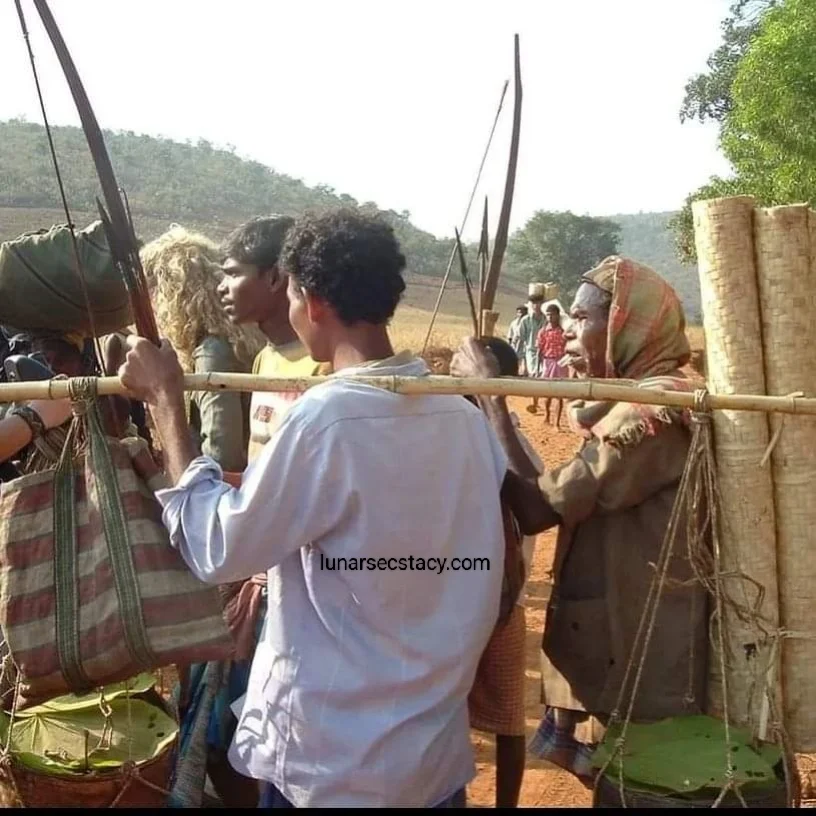
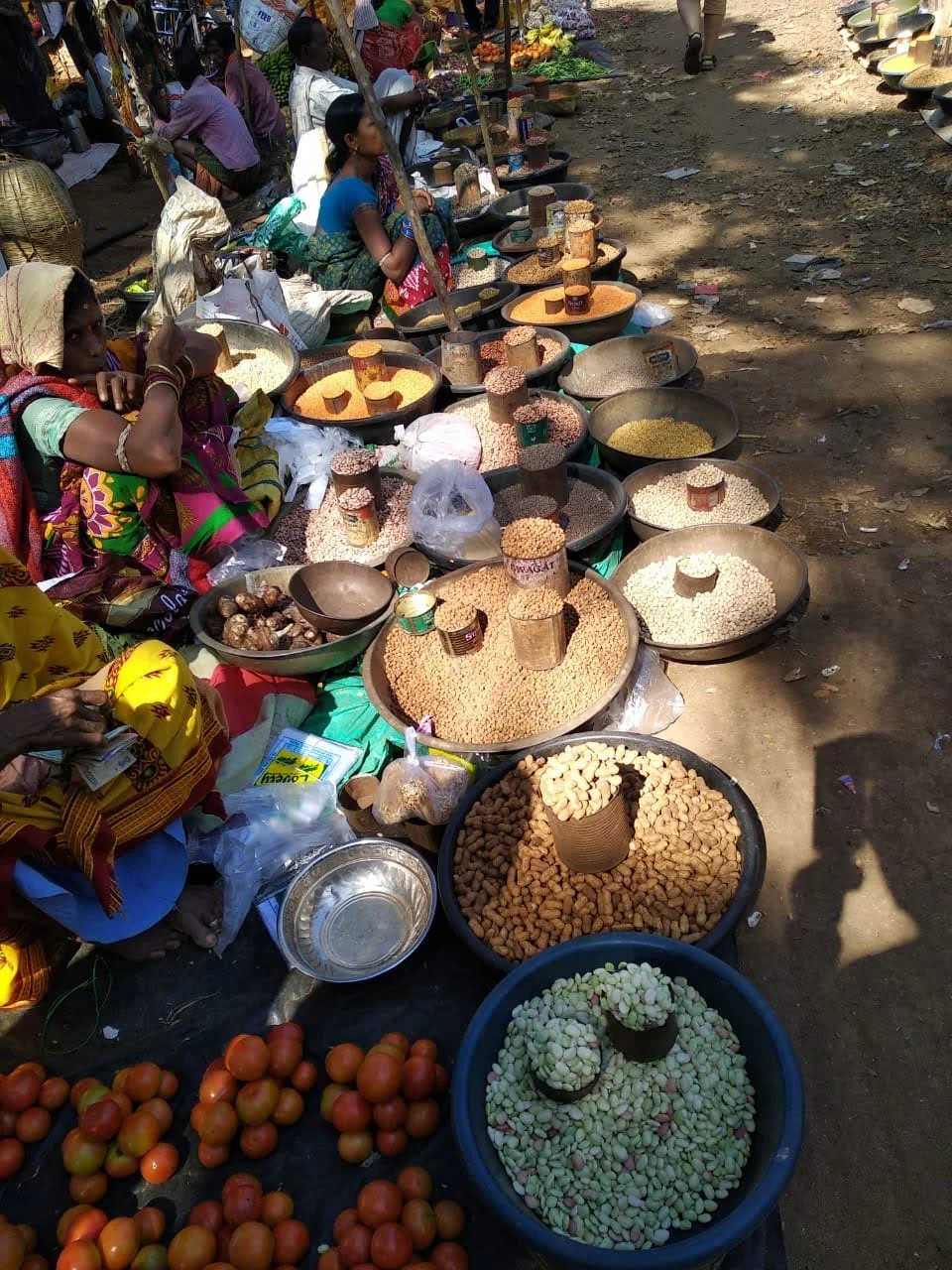
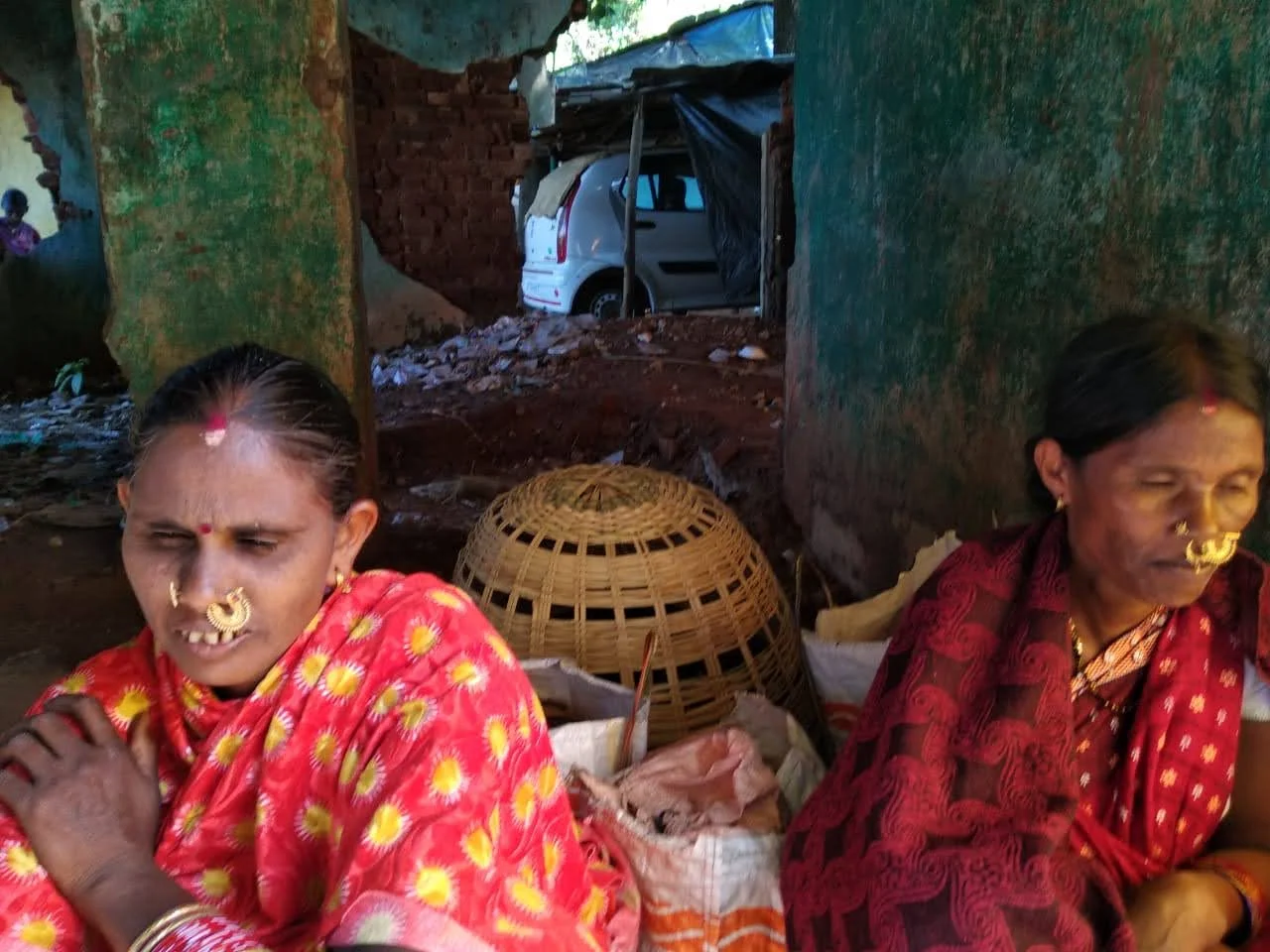
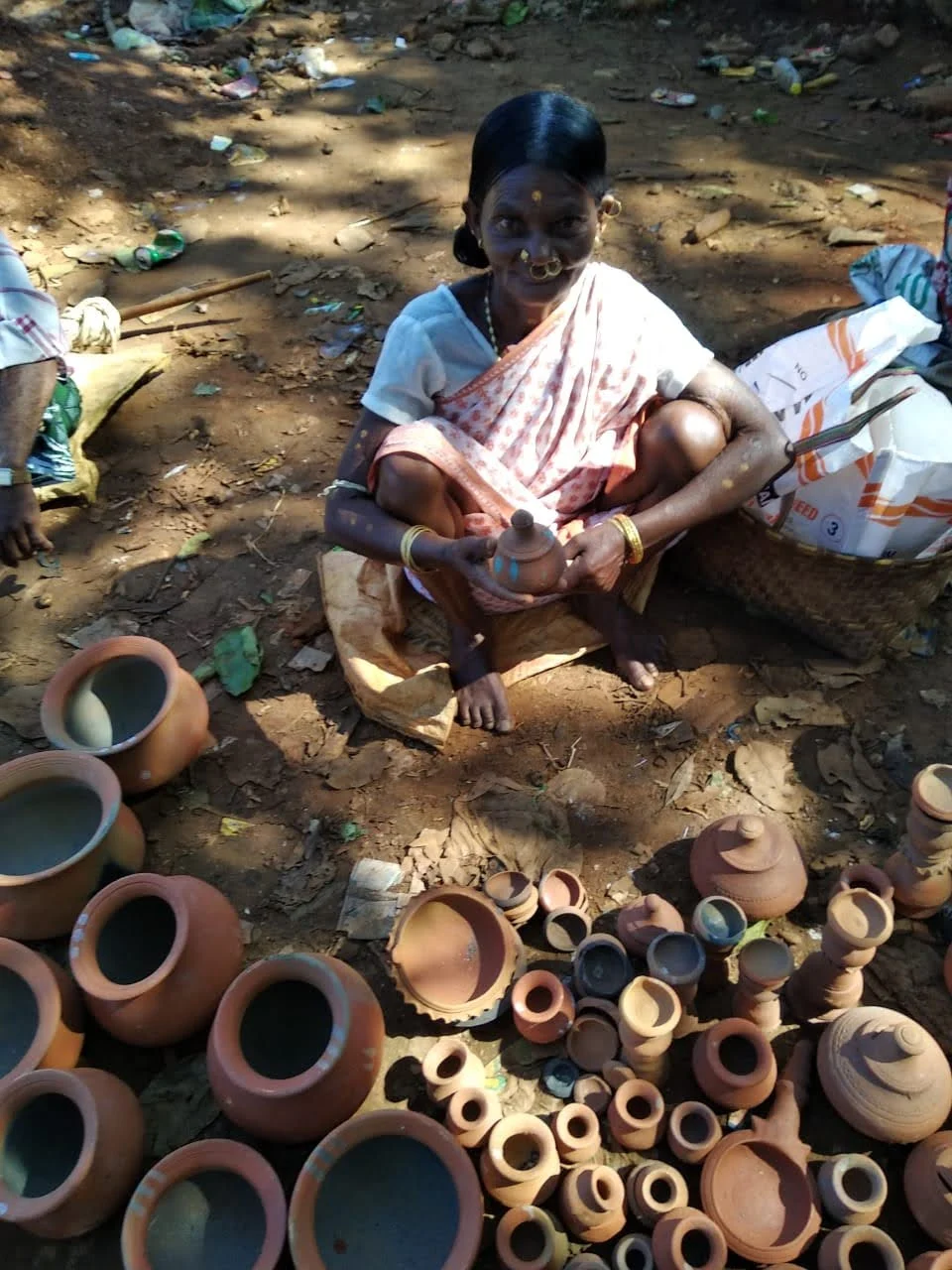
Located in the Koraput district ( around 70 KM away from Koraput town) , this is the largest tribal market in Odisha. It acts as a massive vegetable and livestock exchange, drawing thousands of Paroja, Sana Paroja, and Mali people. Beyond daily vegetables, locals buy and sell live cattle, pottery, bamboo baskets, cosmetics, and locally brewed palm wine, fermented rice wine etc . For further details on locally brewed country liquors, you may go through the following article.
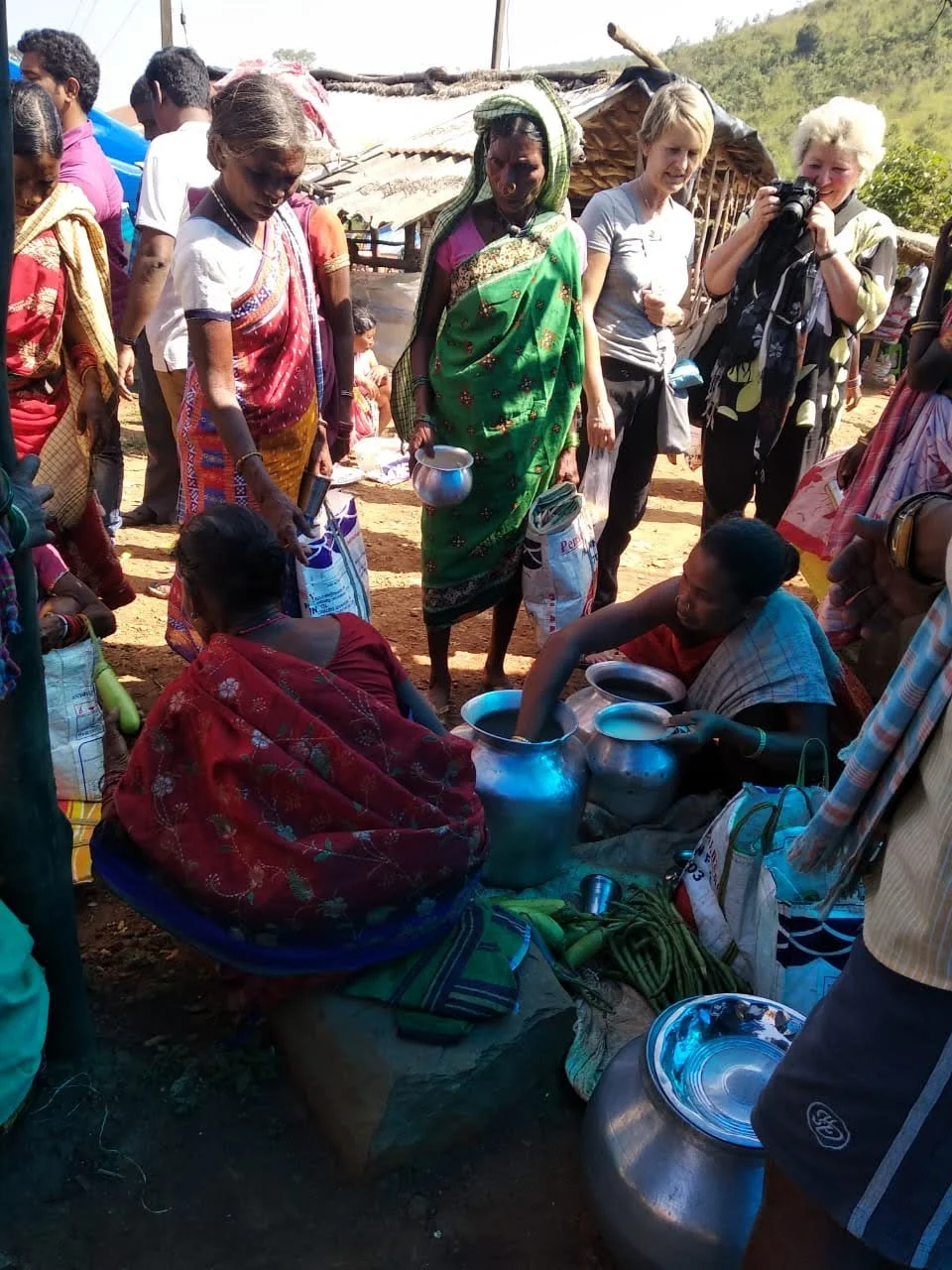
Discover The Unique Country Made Liquors That Tribal People Are Very Fond Of
# Saturday – Baligaon & Lamtaput:
Thriving weekend markets where you can witness the Gadaba and Paroja tribes interacting and trading everyday wares.
Here I am giving links to my widely read articles focussing on different aspects of the tribal lifestyles of Odisha .I really believe …there are several aspects of tribal life of Odisha that may possibly remain unnoticed, unheard if I don’t write about them.
Indigenous Tribal Peoples’ Household Goods on the Path of Oblivion
Tribal People’s Authentic Household Goods About To be Lost
Traditional Tribal Houses of Odisha
Exclusive Tribal Houses of Some Most Vulnerable Tribes of Odisha
Beholding Tribal Musical Instruments of Odisha
Everything You Need To Know About The Exclusive Hand Crafted Tribal Music Instruments of Odisha
Ethnic Tribal Jewellery of Odisha
A Few Best Known Beautiful Ethnic Tribal Jewellery of Odisha
Plan Your Visit
To explore these destinations, it is highly recommended to arrange your trip through experienced local operators and being accompanied by guides to ensure responsible, respectful tourism and to secure necessary permits for village visits.
- Where to start: You can fly into Bhubaneswar or Visakhapatnam and hire a car-based tour to the Koraput/Rayagada districts.
- When to go: The ideal time to visit is from October to March, avoiding the monsoon season.
- Where to stay: Consider eco-resorts near Jeypore or Rayagada.Hotel Hello Jeypore in the Jeypore town and Hotel Sai International in Rayagada town are also possible options.You can opt for staying in tented accommodation in the lap of nature or in the outskirts of a tribal village which is being provided by few experienced tour operators.
Visitor Etiquette and Tips:
- Respectful Photography: Always ask for permission before taking photographs. Tribals, particularly the more isolated communities like the Bondas, Dongarias etc. can be camera-shy or view it as an intrusion.
- Local Currency: Carry cash in smaller denominations (₹10, ₹50, ₹100), as digital payment systems are generally unavailable. Little children often become very happy if you donate them a little ballpoint pen or a cash of smaller denominations like rupees 10 or 20 etc.
- Best Time to Visit: Arrive early in the morning (between 8:00 AM and 10:00 AM) when the markets are most active and the tribes are actively bartering and trading their harvest.
Dr Manoj Mishra,
lunarsecstasy@gmail.com
